


Intermittent fasting has recently become one of the most popular diets. Many people follow it to lose weight and gain many health benefits, plus simplify their lifestyle. Many studies show intermittent fasting has strong effects on physical and mental health and helps live longer.
In this article, we'll get to know intermittent fasting closely, look at its health benefits, and give you a full diet plan you can easily follow to get the health and weight results you want.
-
First:- What is intermittent fasting?

Intermittent fasting is a way of eating that switches between fasting periods and eating periods. It doesn't tell you what foods to eat, but when you can eat.
So intermittent fasting isn't a diet in the usual sense, but more like a way of eating. There are many ways to do it. Fasting is common in many cultures and religions, and actually fasting is more natural than eating 3-4 or more meals a day.
-
Second:- Methods to do intermittent fasting :-
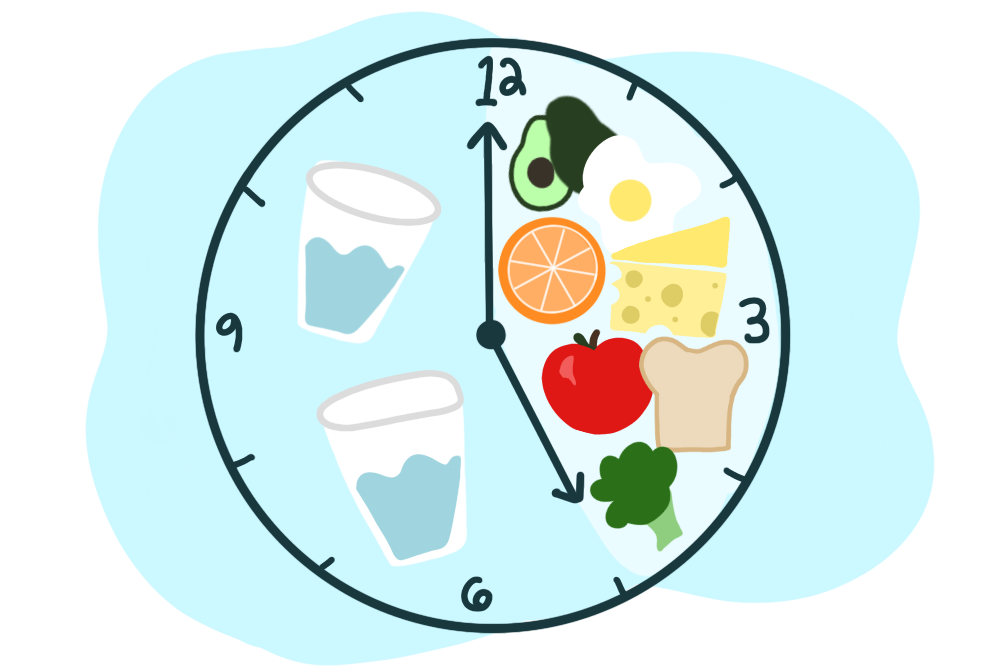
There are many ways to do intermittent fasting. They all split the day or week into eating and fasting times. During fasting, you might eat very little food or preferably nothing at all. Here are the most common ways to do intermittent fasting :-
- The 16/8 method This method is the most popular, simple, and sustainable for intermittent fasting. It limits daily eating to 8 hours and fasting for 16 hours.
- AEat-Stop-Eat This method involves fasting for 24 hours straight once or twice a week, like having dinner then fasting until dinner the next day.
- The 5:2 diet:In this method, you only eat 500 to 600 calories on two non-consecutive days per week, and eat normally on the other 5 days.
All these methods lower calorie intake. This calorie cut should cause weight loss as long as you don’t make it up when you eat.
-
Third:- The health benefits of intermittent fasting:-

Many studies have been done on intermittent fasting, and all found it can have strong benefits like weight control and physical and mental health. It might also help you live longer. Here are some main health benefits of intermittent fasting:-
- Weight loss:- The main goal of intermittent fasting is weight loss, and it can help you lose weight and belly fat without strict calorie restriction.
- Insulin resistance :- Fasting can reduce insulin resistance, lower blood sugar by 3-6%, and reduce fasting insulin levels by 20-31%, which may protect against type 2 diabetes.
- Inflammation:- Many studies show a drop in inflammation markers, which are the main cause of many chronic diseases.
- Heart health :- Intermittent fasting may lower bad cholesterol, blood triglycerides, inflammation markers, blood sugar, and insulin resistance. These are all risk factors that harm heart health.
- Cancer :- Studies suggest intermittent fasting might help prevent cancer.
- Brain health :- Intermittent fasting increases the brain hormone BDNF, which may help grow new nerve cells and might protect against Alzheimer’s disease.
-
Fourth:- Who should be careful or avoid intermittent fasting?

Intermittent fasting is a safe and great system. There's nothing dangerous about not eating for a while if you're generally healthy and well-nourished.
But it's definitely not for everyone. Hunger is a side effect here, so you might feel weak and your brain may not work as usual. This might just be temporary while your body gets used to the new meal schedule.
There are some cases where you should see a doctor before starting intermittent fasting, such as:
-
Having diabetes.
-
Problems with blood sugar regulation.
-
Low blood pressure.
-
Taking medications.
-
Struggling with low weight.
-
Having a medical history of eating disorders.
-
Trying to get pregnant.
-
You have a history of missed periods.
-
You have been pregnant.
-
You have been breastfeeding.
-
Fifth:- Here's a complete intermittent fasting plan for 5 days :-

This plan is great for doing 16/8 fasting, where you can eat a meal every two hours during the 8-hour eating window, split between main meals and snacks, then fast safely for 16 hours.
The calories in this plan reach 1200 max, which suits most people wanting to follow this plan and get desired results.
Day one
Breakfast:½ brown flatbread + 1 spoon light feta cheese + 1 boiled egg + lettuce + arugula + 1 cucumber.
Snack: Apple + a cup of Nescafe.
Lunch:4 spoons of pasta + 1 grilled chicken breast + a plate of vegetable salad.
Dinner:1 slice of whole wheat toast + 1 spoon of peanut butter + 1 banana.
Day two
Breakfast: 2 slices of whole wheat toast + 1 spoon of light jam + half a slice of Roumy cheese + lettuce + arugula + 1 cucumber.
Snack: 1 baked potato + 1 guava
Lunch: 2 grilled fish (tilapia or mullet) + 4 spoons of rice + a plate of veggie salad + a glass of juice without sugar
Or 300g shrimp and crab + 4 spoons of rice + a plate of vegetable salad + a cup of juice without sugar.
Dinner: 1 light yogurt cup + 1 banana + 5 almonds
Day 3
AFor breakfast: 4 spoons oatmeal + 1 cup skim milk + 1 small spoon white honey + 3 crushed walnuts.
Snack: 1 cup milk tea + 3 cashew nuts.
Lunch: 100g grilled meat + 4 spoons basmati rice with nuts + vegetable soup + vegetable salad.
Dinner: 1/4 local bread + 1 boiled egg + 1 apple.
Day four
Breakfast: Piece of cottage cheese with veggies + 1/2 local bread + lettuce + arugula + black coffee.
Snack:- 1 baked potato + 5 almonds.
Lunch:- 1 grilled liver slice + 4 spoons of pasta + a vegetable salad plate.
Dinner:- 1 whole wheat toast + 1 spoon peanut butter + 1 apple.
Day five
Breakfast:- 2 slices of oatmeal pancakes + 1 spoon white honey + 1 banana sliced.
Snack:- Popcorn (20g corn) + boiled egg.
Lunch:- 1 grilled chicken breast sliced + mixed veggie pieces sliced + 1 tortilla bread.
Dinner:- Yogurt salad with fruits and nuts (5 strawberries + 5 hazelnuts + 1 apple).


