For years doctors and nutrition experts have told us to eat a variety of vegetables and fruits daily to stay healthy. Now, many studies back this up, showing how eating fruits and veggies impacts overall health. A new study in Circulation by Harvard Medical School researchers says we should eat five servings a day of fruits and vegetables: three veggies and two fruits. The study found a strong link between eating lots of fruits and veggies and lower risk of dying from diseases like diabetes and cancer. So, US dietary guidelines recommend two and a half cups of vegetables and two cups of fruits daily for good health.
-
Easy ways to eat vegetables and fruits:
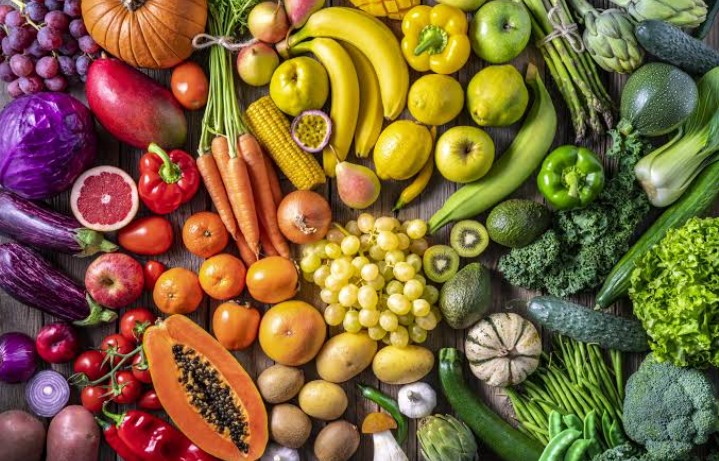
Dr. Tejal Paths, a clinical nutritionist in Houston Texas, says vegetables should always come first. There are many ways to eat them:
- You can add vegetables to your favorite foods like pizza, soup, stews, and baked goods. This way you mix all ingredients and get all the nutrients.
- You can eat vegetables as snacks between main meals. Try cucumber, tomato, celery, carrot, and bell pepper as nutrient-rich snacks.
- You can also eat vegetables alongside your main meals like lunch and dinner.
- As for fruits, you can add them to juices, yogurt, cakes, and cookies.
- You can also eat fruits as snacks or as a key part of your light meals.
It's always advised to keep vegetables and fruits somewhere visible so you remember to eat them whether in the fridge or on the table.
According to nutrition expert Vanessa Rissettord, when including fruits and vegetables in your diet, you should eat at least one fruit daily and regularly add non-starchy veggies to main meals like lunch and dinner. Besides being very healthy overall, they help you feel full while eating.
Vegetables, Fruits, and Disease Prevention:
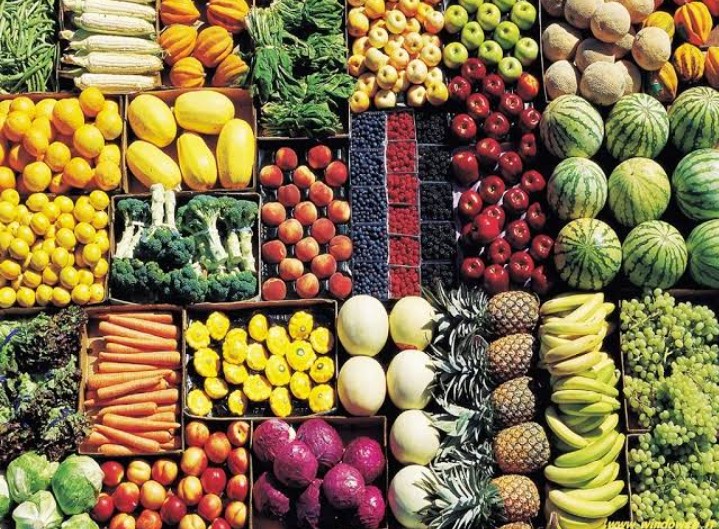
Always remember that adding more fruits and veggies to your diet doesn’t guarantee you won’t get sick or prevent disease. But usually, it will improve your general health and lower the risk of serious illnesses.
A diet rich in fruits and vegetables reduces the chance of many diseases like heart and blood vessel diseases, strokes, high blood pressure, and digestive issues. It also lowers the risk of some cancers.
Effects of Not Eating Fruits and Vegetables on the Body:
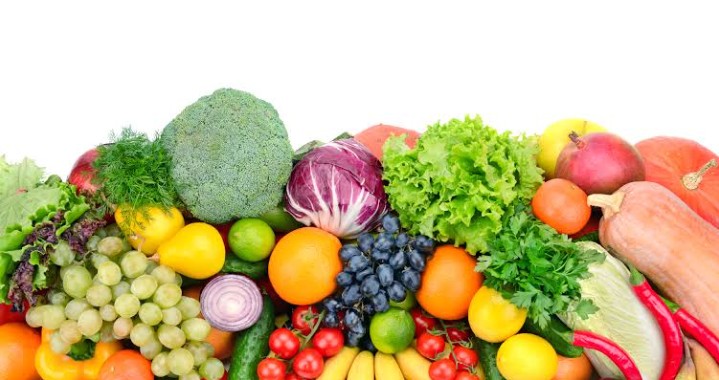
There are many negative effects on your overall health when you don’t eat enough fruits and vegetables, such as:
- Lack of vitamins and minerals in the body:-
These are some of the most important nutrients for the body, found mostly in vegetables and fruits.
- Digestive system problems:-
Not eating vegetables and fruits causes digestive issues like constipation and hemorrhoids.
- Risk of cancer:-
One key benefit of vegetables and fruits is reducing risk of different cancers because they have antioxidants that fight cancer.
- Weight gain:-
Skipping veggies and fruits makes it more likely you'll eat other fatty foods, which raises your chance of gaining weight.
- Getting diabetes:-
Because of weight gain from not eating vegetables and fruits, weight gain is one of the main reasons for getting diabetes.