

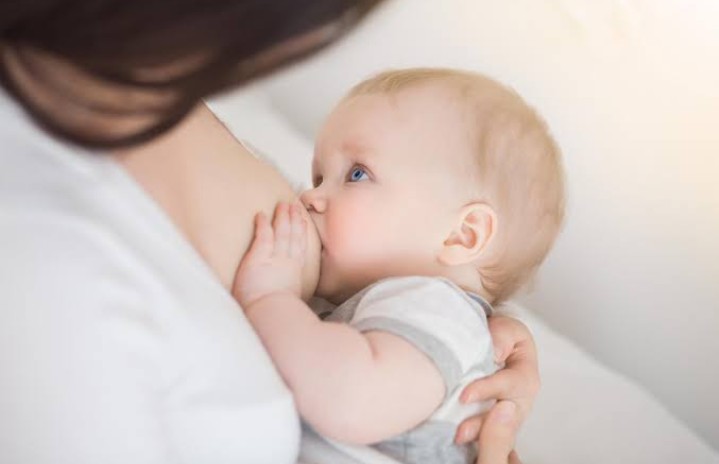
If you are thinking about not breastfeeding your newborn, it's probably not the best choice. Of course, it's a personal decision only you can make, but there are countless benefits for both you as a mom and your baby through breastfeeding.
Before you decide, or if you just want to make sure breast milk is the right choice, let's look at some benefits for you and your baby. Breast milk gives perfect nutrition for babies with proper amounts of nutrients. It’s also easy to digest and readily available.
The American Academy of Pediatrics recommends exclusive breastfeeding for 6 months, then continuing breastfeeding while starting solid foods until at least one year old, or until both mom and baby agree on what’s called "weaning."
The World Health Organization recommends breastfeeding up to two years or more, because breastfeeding benefits last a long time. They also advise starting breastfeeding early, within an hour of birth, to get the most benefits.
In this article, we will explore the benefits of breastfeeding for both baby and mom:
-
First: Benefits of breastfeeding for the baby:
-
Breast milk provides ideal nutrition for the baby:

Most healthcare experts recommend exclusive breastfeeding for at least 6 months. Breast milk has everything a baby needs in the first six months, in just the right amounts to match their changing growth, especially in the first month.
In the first days after birth, mom’s breast makes a thick, yellowish fluid called colostrum. This colostrum is rich in protein, low in sugar, and full of good stuff. It’s truly great food that can’t be replaced.
Colostrum is the perfect first milk that helps a newborn’s immature digestive system grow. After the first few days, mom’s breast starts making more milk to match the growing baby’s stomach.
The only thing breast milk might lack is vitamin D. Unless mom has high vitamin D levels, which usually doesn’t happen, breast milk won’t provide enough. So vitamin D drops are usually recommended.
-
Breast milk has important antibodies :-

Breast milk is full of antibodies that can help your baby fight viruses and bacteria. This is super important in the fragile early months, and colostrum especially.
Colostrum gives a big dose of immunoglobulin A (IgA) plus other antibodies. IgA protects baby by making a shield in baby’s nose, throat, and gut.
Research also shows babies not breastfed are more likely to get health problems like pneumonia, diarrhea, and infections.
-
Breastfeeding lowers the baby’s risk of getting diseases.

Exclusive breastfeeding is trustworthy because the baby only gets breast milk, so it’s especially good and reliable.
Breastfeeding might lower your child’s chance of many diseases including:
-
Middle ear infection.
-
Respiratory infections.
-
Intestinal infection.
-
Sudden infant death syndrome.
-
Allergy diseases like asthma, skin inflammation, and eczema.
-
Type 1 and type 2 diabetes.
-
Developing leukemia.
-
Helping the child gain healthy weight:
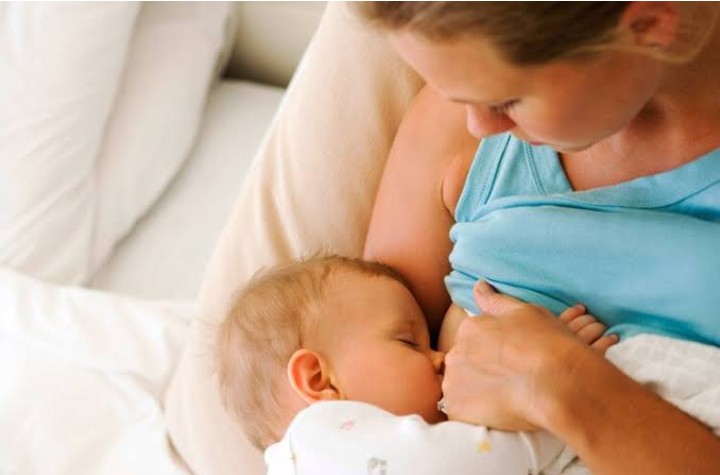
Breastfeeding helps kids gain weight healthily and also helps prevent obesity diseases in children.
Studies showed breastfeeding for more than 4 months greatly lowers your child's chances of gaining extra weight and obesity. This is linked to how different gut bacteria develop, since breastfed babies have more good gut bacteria that might affect their fat stores.
Also, mother's milk has leptin hormone, so breastfed babies get a lot more compared to non-breastfed kids. Leptin is a key hormone that controls appetite and fat storage.
-
Breastfeeding might make the baby smarter:

Studies suggest brain growth might differ in breastfed babies versus formula-fed ones. This could be due to physical closeness, touch, and eye contact during breastfeeding as well as the rich nutrients in mother's milk.
Studies also show that breastfed children have higher IQ scores and are less likely to develop learning behavior problems as they grow older.
-
Second: Benefits of breastfeeding for the mother :
-
Breastfeeding helps the mother lose weight after birth :
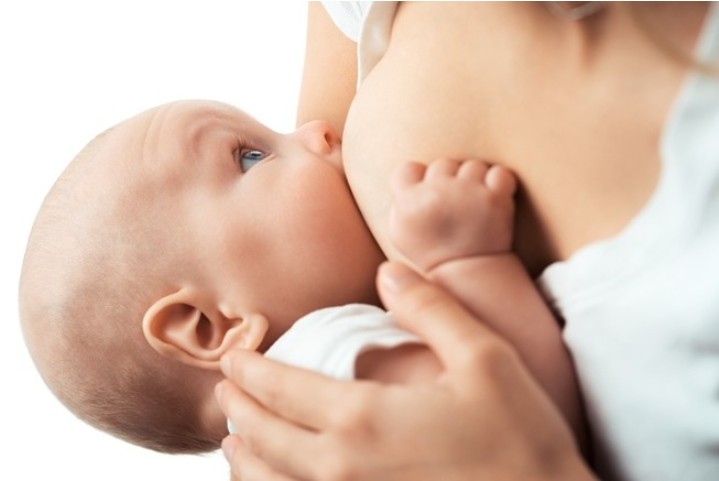
While some mothers gain weight during breastfeeding, others lose it easily. Breastfeeding helps burn more calories, which helps lose some weight gained during pregnancy.
After three months of breastfeeding, women who breastfeed tend to burn more fat compared to non-breastfeeding mothers.
-
Breastfeeding helps the uterus contract :

During pregnancy, the uterus grows a lot and goes from the size of a pear to almost filling the entire belly. After birth, the uterus goes through a process called involution that helps it return to its previous size.
Your body releases large amounts of a hormone called oxytocin during labor to help deliver the baby and reduce bleeding. It can help you bond with your newborn and also helps the uterus contract.
Oxytocin hormone secretion increases during breastfeeding. It helps uterine contractions, reduces bleeding, and helps the uterus return to its normal size.
-
Breastfeeding reduces the risk of depression:

Postpartum depression is a kind of depression that can affect mothers shortly after giving birth.
But it seems women who breastfeed their babies are less likely to get postpartum depression than those who don't breastfeed.
-
Breastfeeding lowers the risk of some diseases in the mother:

Breastfeeding seems to give you long-term protection against cancer and many other diseases.
The time a mother spends breastfeeding is linked to a lower risk of several types of cancer like breast cancer and ovarian cancer.
Breastfeeding is also linked to a lower risk of some other diseases like:
-
High blood pressure.
-
Joint inflammation.
-
High blood fat.
-
Heart diseases.
-
Type 2 diabetes.
-
Breastfeeding might stop your period.
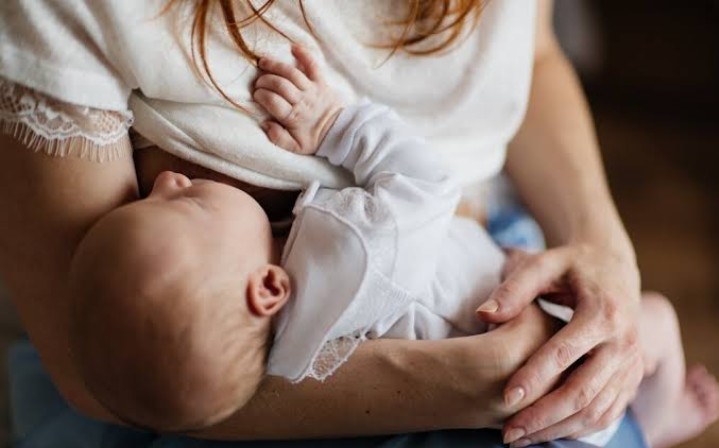
Breastfeeding keeps ovulation and periods from coming back, and this pause in your period is actually a natural way to have a break between pregnancies.
You can see this as a bonus from breastfeeding that helps you enjoy your precious time with your new baby.
-
Breastfeeding saves money and time:

Breastfeeding is free, except for some costs you might spend on consultations. These consultations are mostly free and don’t cost much, unlike spending a lot on artificial feeding methods.
Preparing formula takes a lot of time and money. Breastfeeding saves time because mother's milk is always at the right temperature and ready when needed.
Whatever way you choose to feed your new baby is a very personal decision. But you can look at these benefits before making any choice. You can also ask your healthcare specialist for advice on what’s best for you and your baby.


