Apple is considered one of the most fruits popular in the world. Apples have a high amount of fiber, important vitamins, and essential minerals for the body. They also have low calories,
The saying goes "An apple a day keeps the doctor away." This shows that apples have many health benefits that keep you from needing a doctor, In this article, we will learn about the calories and many health benefits of apples.
-
Nutritional value of apples :-

Here is the nutritional value in a 100 gram serving of apples :-
| Calories | 52 calories |
| Water | 86 % |
| Carbohydrates | 13.8 grams |
| Fiber | 2.4 grams |
| Sugar | 10.4 grams |
| fat | 0.2 grams |
| protein | 0.3 grams |
-
carbohydrates:-
An apple is mainly made of carbohydrates And water, where a 100 gram serving of apple provides about 13.8 grams of carbohydrates, most of which are simple sugars like glucose, fructose, and sucrose.
Although apples have a high carbohydrate content, their glycemic index or GI is low, ranging between 29-44.
-
Fiber :-
Apples are rich in fiber, part of fiber found in apples is the type that doesn’t dissolve in water and is linked to many health benefits, like feeding the good bacteria in the gut.
-
Fat :-
Apples contain very little fat, with a 100 gram serving providing only about 0.2 grams of it. Fats.
- Protein :-
Apple is not a good source of protein, as a 100 gram serving of apple provides about 0.3 grams of protein only.
-
Vitamins and minerals :-
Apple is a good source of many vitamins and minerals, as it provides amounts of potassium, beta-carotene, andvitamin C, andfolic acid, andmagnesium, andcalcium.
-
Health benefits of apples :-

Whole fruits like apples can be part of a healthy diet, including plant-based diets, or gluten-free diets, since apples provide a suitable amount of vitamins, minerals, and flavonoids, which offer a range of health benefits, Which includes :-
-
Boosting heart health :-
Fruits and vegetables in general are the main pillars ofa healthy heart eating plan, specifically apples are a good source of fiber, which helps lower cholesterol levels in the blood.
Also, apples provide many anti-inflammatory compounds that reduce the risk of heart disease, plus they have good potassium levels that help prevent dangerous spikes in blood pressure.
-
Managing blood sugar levels:
The fiber in apples slows digestion, which stops blood sugar levels from rising quickly sugar in the blood after eating.
Usually, 14 grams of fiber per 1000 calories is recommended, and eating a whole apple with the skin gives most of that fiber.
-
Helping prevent cancer:
Apples contain a strong natural antioxidant called quercetin, which kills abnormal cells but doesn't harm healthy cells.
Because of this, diets rich in quercetin, plus other antioxidants, may help protect against cancers like Breast cancer, and lung cancer.
-
May help reduce asthma symptoms :-
Quercetin is also good for people with asthma since studies show it blocks inflammation and effectively reduces food allergies and breathing problems.
So adding apples as part of an overall asthma treatment plan might help keep asthma symptoms away from you.
-
Supports weight loss :-
Eating apples as a healthy, satisfying snack can help lower cravings and control appetite. Many studies showed apple eating helps improve weight loss.
Choosing fresh apples instead of processed snacks is a great way to increase your intake of vitamins, minerals, and fiber. The high water content in apples means you can eat a large amount without overdoing it. calories.
-
Allergy :-

Apple allergy is possible. You might feel tingling in your mouth and lips after eating it or more severe symptoms shortly after.
Allergy symptoms may include itching and swelling in the mouth, face, throat, lips, and tongue within an hour of eating apple. Severe allergic reactions can cause breathing and swallowing difficulties.
So if you suspect an apple allergy, you should see a doctor right away for proper diagnosis.
-
Storage and food safety :-
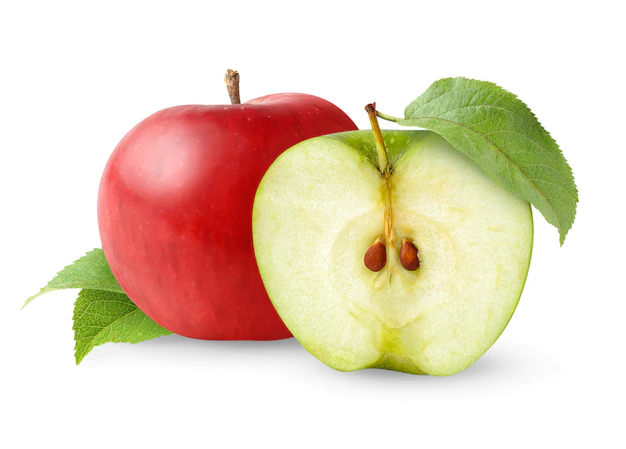
You can keep apples at room temperature for 1-2 weeks, or store them in the fridge for up to 1-2 months. Frozen apples can last up to 8 months.
Avoid washing the apple until you're ready to eat it. But make sure to wash it well under running water before eating. To stop cut apple slices from turning brown, gently cover them with lemon juice to prevent oxidation.
-
How to prepare:-

Besides eating it whole or as tasty slices, you can chop apple and toss it in oatmeal with cinnamon. Or add it on top of whole grain pancakes with yogurt.
You can add some apple to your salad for lunch or mix it into side dishes. Apple gives a sweet boost to proteins like grilled chicken.
You can also enjoy crunchy apple with cheese or peanut butter as a snack.
Apple is used in many baked recipes, including breads and desserts like apple pies.
Apple juice is also a common substitute for cooking fats in baking. It adds moisture and softness to your recipe.
Including different fruits in your daily diet ensures you get enough nutrients your body needs to stay healthy and balanced. And apple is definitely one of the most important fruits.
Article source :- 1.