Nutrition experts describe Avocadoas a superfood, but how much calories are in avocado? This is a question many ask, especially those on diets to manage weight, wanting to know all the calories in the foods they eat staying within their diet.
Avocado is a fruit that looks more like a vegetable than a fruit. This fruit offers many health benefits as well as various nutrients Important for a healthy body, In this article, we will explain in detail how many calories are in avocado, as well as its important health benefits.
Calories in avocado
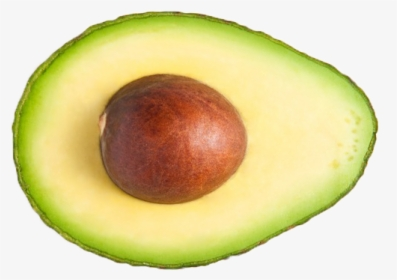
Here are the calories and nutritional values in 100g of avocado:-
| Calories | 160 calories |
| Fat | 14.7 g |
| Sodium | 7 mg |
| Carbohydrates | 8.5 g |
| Fiber | 6.7 g |
| Sugar | 0.7 g |
| Protein | 2 g |
-
Carbohydrates
A 100 g serving of avocado provides about 8.5 g of carbohydrates, most of these carbs come from fiber Where a 100 g serving of avocado provides about 7 g of fiber.
Avocado provides very small amounts of sugar, where a 100 gm serving of avocado gives less than 1 gm of sugar, and the rest of the carbs in avocado come from starch.
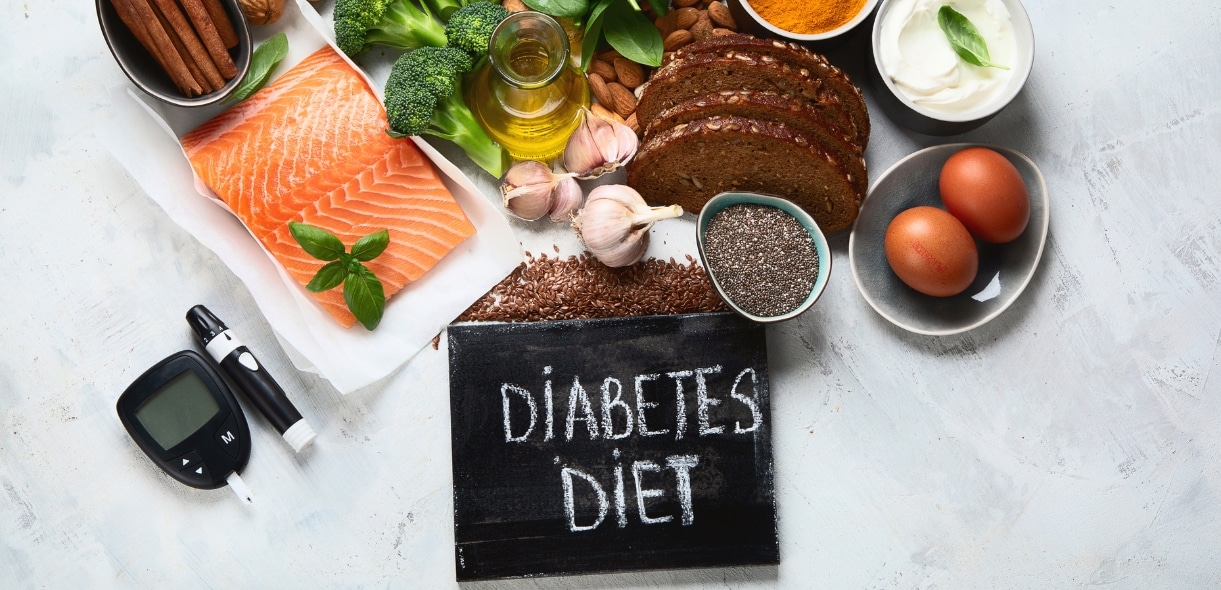
Estimated glycemic index For avocado is about zero, which means avocado is a perfect fruit for diabetics because it's a low glycemic food.
-
fat
A 100 gm serving of avocado provides about 15 gm of Fat, this number might seem large, but luckily most of these fats are unsaturated fats, which are the healthy kind. A 100g serving of avocado gives about 13g of monounsaturated and polyunsaturated fats, and just 2g of saturated fats.
Unsaturated fats are really helpful in lowering cholesterol levels bad LDL cholesterol, making them a healthy way to get the fats your body needs, which avocado provides.
-
protein
A 100g serving of avocado has just about 2g of proteinEven though it's not a high-protein food, it can still help meet the body's protein needs when combined with other foods like eggs.
-
vitamins and minerals
Small amounts of avocado might not provide large amounts of vitamins and minerals, but eating it regularly gives many vitamins and minerals, like vitamin K, andVitamin E andVitamin C.
Avocado also provides folic acid, riboflavin, niacin, andmagnesium, andPotassium, copper, and manganese.
-
Calories
The number depends Calories In avocado, the calories depend on the serving size eaten. A 100 g serving of avocado provides about 160 calories.
Health benefits in avocado

Many studies have been done on the avocado fruit, showing it has many important health benefits, Example:-
-
Avocado helps with weight loss
Although avocado is high in calories, it can offer big benefits for weight loss.
The creamy texture and tasty flavor from healthy fats in avocado can make you feel full and satisfied when you eat, so you don't consume too many calories. Avocado also provides more fiber, and it’s known that high-fiber foods help increase fullness.
Studies have shown a strong link between eating avocado and lower body weight and reduced Body Mass Index BMI, and waist circumference reduction, so regularly eating avocado might lower the risk ofobesity and weight gain.
-
Avocado helps in managing diabetes
Even though avocado has carbohydrates, blood sugar index the level in this fruit is almost zero, meaning it has very little effect on blood sugar.
This means avocado is a healthy choice forpeople with diabetes, especially when some high-sugar foods are replaced with avocado. Studies also show avocado improves blood sugar levels in people withdiabetes type 2.
Studies also showed that foods high in unsaturated fats like avocado can improve metabolism in people with type 2 diabetes.
-
Avocado lowers the risk of heart and blood vessel diseases
Many studies showed that eating avocado might improve cholesterol levels For some people especially, research pointed out that those who eat avocado have higher HDL good cholesterol levels.
High HDL good cholesterol levels are linked to lower risk of heart diseasesand blood vessel diseases.
-
Avocado protects against cancer
Studies show that avocado seed extract helps protect against cancer because it has more sterol compounds than the rest of the fruit. But it's still unclear if eating avocado seeds is safe.
-
Avocado lowers the risk of metabolic syndrome
Researchers found that people who eat avocado have a lower risk of metabolic syndrome metabolic syndrome, and they also noticed a strong link between eating avocado and better overall diet quality.
How do you eat avocado?

The hardest part of using avocado in recipes might be taking the peel off the avocado flesh, You can use these steps to peel an avocado:-
-
Start with the top of the avocado and cut it lengthwise from top to bottom.
-
Twist the fruit to separate the two halves.
-
To remove the seed, stab the knife into it, twist it out, then get rid of the seed. You'll end up with two separate halves of avocado flesh.
-
Cut the avocado lengthwise from top to bottom in rows, then slice across to make a grid.
-
Now you can scoop out the avocado cubes with a spoon and discard the skin. The cubes are ready to use.
Avocado Allergy

Avocado allergy is rare, but studies show some increase in cases of food protein-induced colitis syndrome, where avocado can be a trigger.
People with oral allergy syndrome, or pollen allergy, may have allergic reactions to avocado. See a doctor right away if any allergy symptoms appear after eating avocado.
Storing avocados and food safety

When picking an avocado, use color and texture to find the best one. First, choose an avocado with a consistent dark color. Hold it in your hand and press gently. If it feels just soft enough, it's ripe and ready to use.
Generally, ripe avocados that aren't cut can be stored in the fridge for 2-3 days. If you eat avocado by the spoonful, you can add lemon juice to it to stop it from turning brown.
To ripen an unripe avocado quickly, put it in a brown paper bag with a banana or apple for 2-3 days. You can also freeze avocado, but its color might change.
Using avocado in the kitchen

Avocado is used in many recipes worldwide. Avocado slices are a great addition to sandwiches and healthy wraps.
The creamy texture of avocado lets you skip butter or mayo. You can also add avocado to different egg dishes and salads.
Eating a variety of foods daily makes sure you get enough nutrients your body needs to stay healthy and balanced. Avocado is definitely one of the most important foods for that.
Fitness Garage offers calorie-counted meal plans and workout routines tailored to different weight goals. You get daily follow-ups with a certified specialist trainer. To learn more, you can visit Fitness Garage's Facebook page from here.