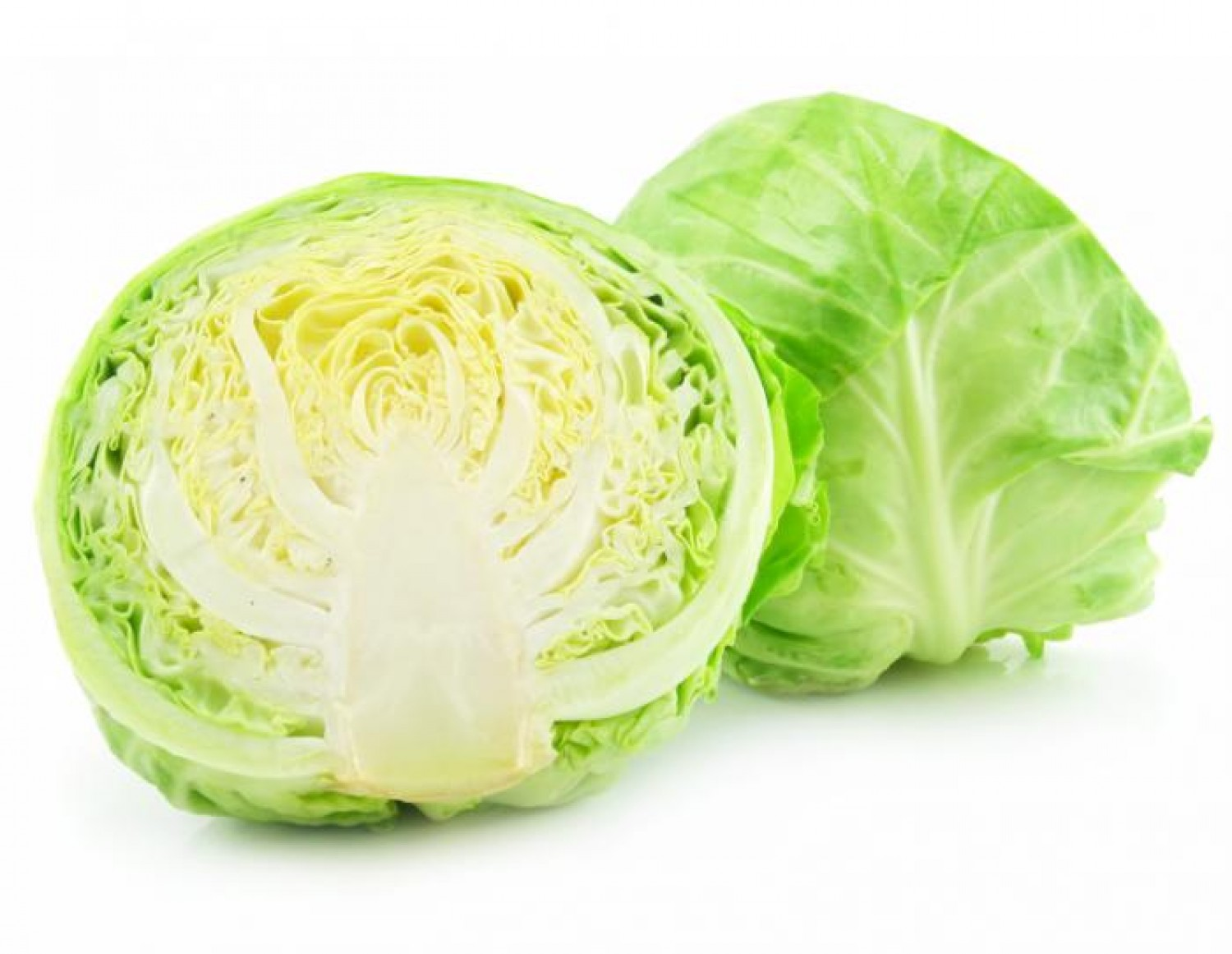
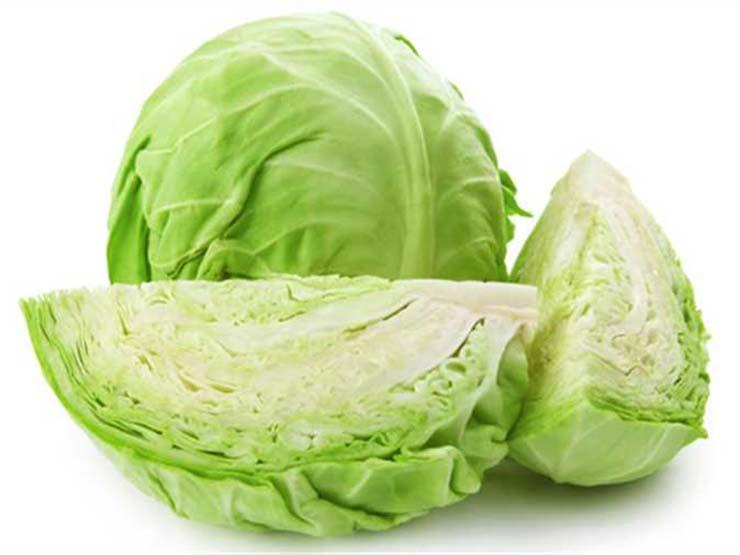
Cabbage, also known as 'karnab', is one of the most popular foods worldwide, especially in the Arab world. Who can resist a plate of stuffed cabbage on an Arab table? Cabbage is one of the foods that belongs to leafy vegetables especially cruciferous vegetables.
This crunchy, cheap, and versatile food can be used in many recipes. It can also add crunch and color to salads and sandwiches, in This article will cover the nutritional value and health benefits of cabbage.
-
Nutritional value of cabbage:

Here's the nutritional value in 100 gm of cabbage:
| Calories | 24 calories |
| Fat | 0.12 grams |
| Sodium | 18 milligrams |
| Sugar | 3.58 grams |
| Carbohydrates | 5.58 grams |
| Fiber | 2.3 grams |
| Protein | 1.44 grams |
-
Carbohydrates:-
A 100 gram serving of cabbage provides about 5.5 grams of Carbohydrates, about half of which comes from fiber, and the other half from natural sugars, cabbage has a very low glycemic index of around 10.
-
Fat :-
Cabbage is almost a fat-free food fat, with a 100 g serving providing about 0.12 grams of fat.
-
Protein :-
A 100 g serving of cabbage provides about 1.5 grams of Protein, so cabbage is not considered a good or preferred source of protein.
-
Vitamins and minerals :-
Cabbage is a good source of many vitamins and minerals, it is a good source of potassium and folate, also provides some calcium and iron, and vitamins like A and C.
-
Calories :-
Cabbage is one of the low-calorie foods Calories, 100 grams provides about 24 calories, so you can add large amounts to food without worrying about calories.
-
Health benefits of cabbage:-
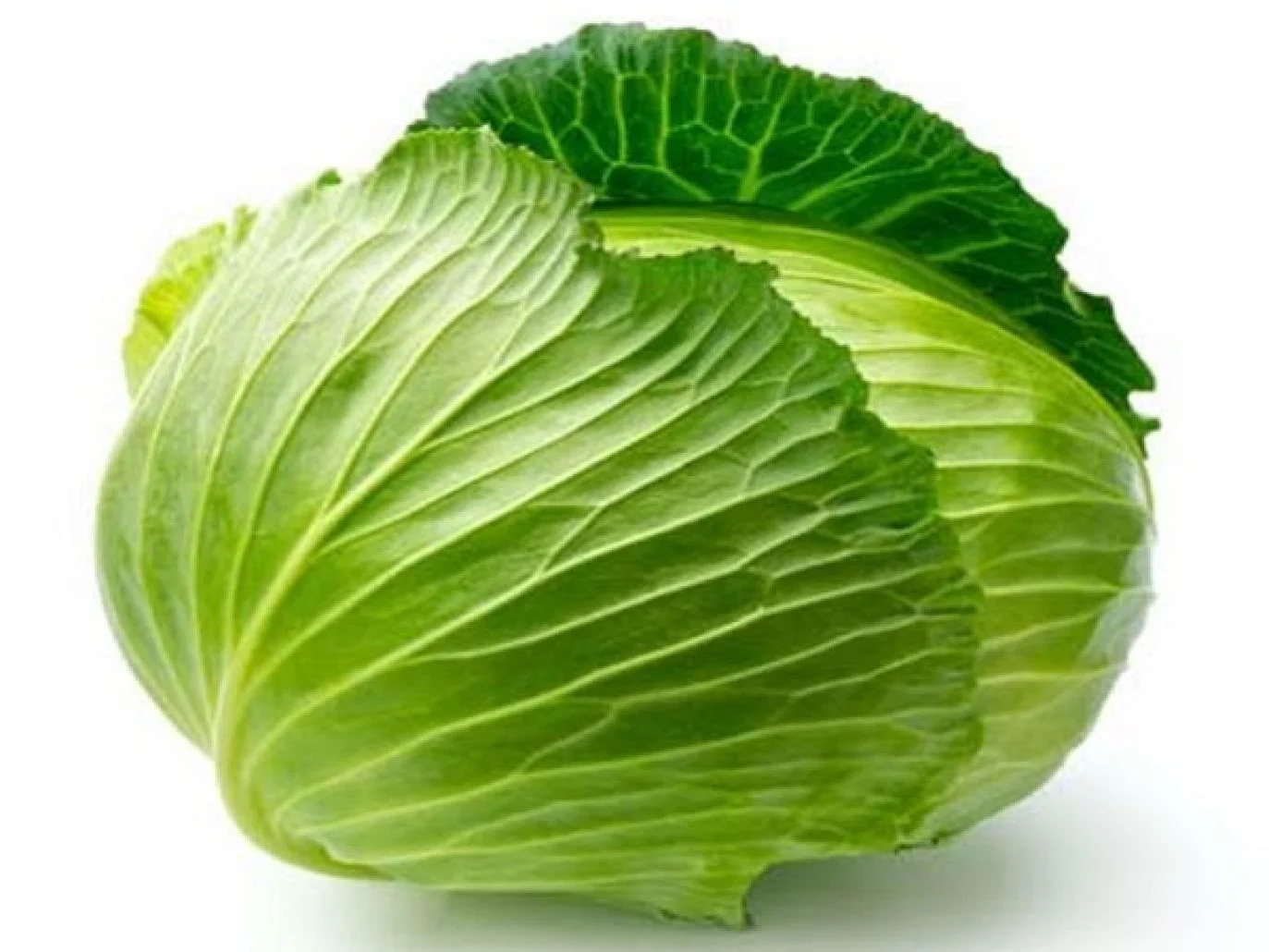
Cabbage is a nutritious vegetable that can boost overall health and might strengthen the body's natural defenses against diseases, Here are some health benefits cabbage can offer you:-
-
Supports heart and blood vessel health:-
Cabbage is a food that provides a good amount of fiber and potassium, two key factors for heart health. Fiber helps reduce cholesterol levels, and potassium helps lower blood pressure. Both are major causes of heart and blood vessel diseases.
Cabbage is also a good source of vitamin B and folic acid. Eating lots of folic acid is linked to a lower risk of stroke and heart attacks.
-
Supports brain health:
The Nutrition Academy recommends eating cruciferous veggies like cabbage to help keep cognitive functions strong as you age. Good nutrition can boost memory and alertness.
Important nutrients in cabbage help improve blood flow to the brain, so cabbage is good for people of all ages.
-
May lower cancer risks:
Cabbage also has cancer-fighting properties. Studies show eating three to five servings a week of cruciferous veggies, including cabbage, can prevent several cancer types.
Cabbage lowers the risk of prostate, lung, breast, and colon cancer. This is probably due to compounds in cruciferous veggies that activate liver enzymes and bind carcinogens.
-
Protects vision:
Cabbage’s red-purple color comes from high polyphenol levels, including anthocyanins. These antioxidants work throughout the body to stop oxidative damage linked to health issues like age-related macular degeneration blindness.
Cabbage is a good source of lutein and zeaxanthin, which are forms of vitamin A. This vitamin builds up in the retina and is especially good for preventing vision loss.
-
Helps control glucose levels:
For people with diabetes, cruciferous veggies like cabbage help keep blood sugar steady and stop big spikes or drops.
You can swap cabbage for some refined flour foods to keep carb intake down. For example, use cabbage wraps instead of bread to cut added carbs.
-
Allergy:
Cabbage allergies are very rare but possible. Food allergy symptoms are usually swelling, vomiting, dizziness, and tongue swelling. In severe cases, it can cause anaphylaxis, a life-threatening reaction.
-
Varieties:

There are many types of cabbage. Some green cabbage types are Cheers, Early Jersey, King Cole, and Savoy. But red and green cabbage are the most common and used types.
The nutritional value is pretty much the same in red cabbage as in green cabbage.
-
Storage and food safety:-

Fresh cabbage lasts a long time and can be stored in the fridge for up to two weeks, but it's best to use it within 4 days. You can also freeze cabbage for up to 5 months.
-
How to prepare :-

Wash the cabbage until it's ready to use. Rinse the leaves well under running water before cutting or eating. Remove the core or any decayed outer leaves before preparing.
When cooking cabbage, especially steaming or stir-frying, you might notice a bad smell. This is due to sulfur compounds in the cabbage that get activated when heated. To cut down the smell, avoid aluminum cookware and try spritzing a bit of acid like lemon juice.
You can eat cabbage raw and chopped, like in coleslaw, or use it in soups and stews. Chop it and add to stir-fries. You can also steam leaves and use them as sandwich wraps instead of bread. You can ferment cabbage to make your own sauerkraut.