Celery belongs to the group leafy vegetables, celery was originally used as a medicinal herb but now it is one of the most important nutrients found in kitchens worldwide. Celery provides many important nutrients for health making it a valuable addition to any meal. It also contains many health benefits, In this article, we will learn about the nutritional value and health benefits of celery.
-
Nutritional value of celery :-

Here is the nutritional value for 100 grams of celery :-
| Calories | 14 calories |
| fat | 0.17 grams |
| sodium | 80 milligrams |
| fiber | 1.6 grams |
| sugar | 1.83 grams |
| Protein | 0.69 grams |
| Carbohydrates | 2.97 grams |
-
Carbohydrates :-
Celery is a popular choice in low carbohydratesBecause it's low in carbs and calories, 100g of celery gives about 3g of carbs, over half of which is fiber. 100g of celery has around 1.6g of fiber and 1.8g natural sugar.
Raw celery has a low blood sugar index of 35, but cooking celery raises that number a lot, up to 85.
-
Fat :-
100g of celery has about 0.17g of fatso celery is almost naturally fat-free and has very little fatty acids.
-
Protein:-
100g of celery provides about 0.69g of Protein, so celery has a low protein content.
-
Calories :-
Celery contains a small amount of calories, a 100g serving of celery provides about 14 calories, which is very low. So celery is considered a negative calorie food.
-
Vitamins and minerals :-
Even though it has few calories, celery provides lots of micronutrients from Vitamins and minerals, it contains potassium, folic acid, choline, vitamin A, and vitamin K. Celery also gives some natural sodium and fluoride.
-
Health benefits of celery:-

Celery is a food that offers many health benefits. Eating celery helps you get its high content of water, fiber, and micronutrients, Here are some health benefits celery provides:-
-
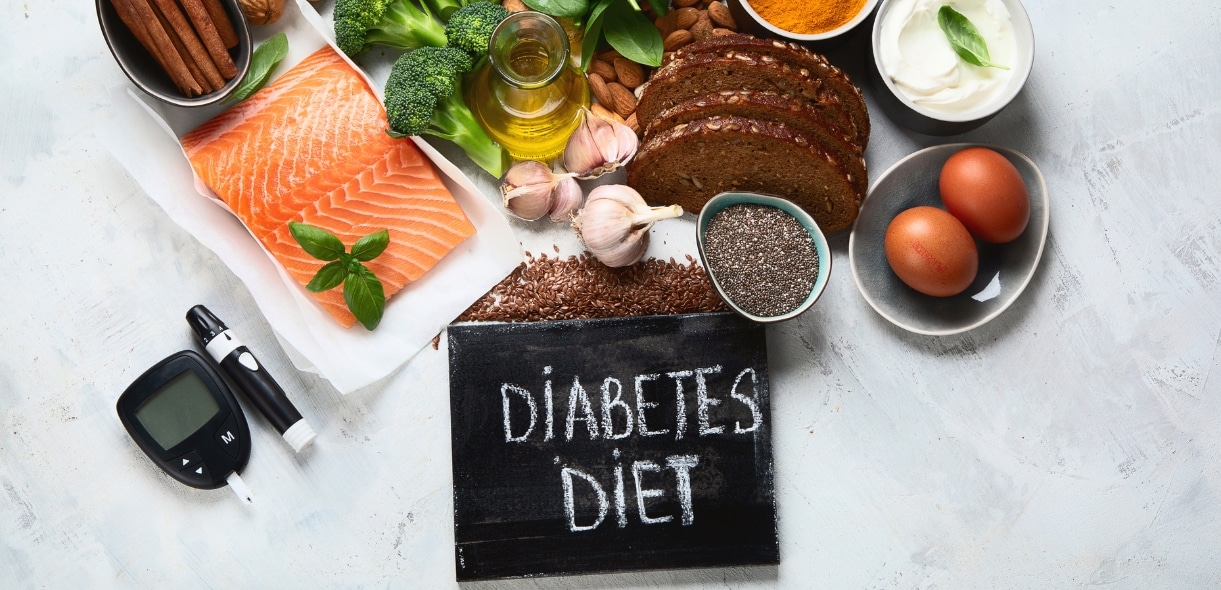
Helps prevent and manage diabetes:-
One study showed that taking a 250 mg dose of celery leaf extract three times a day before meals lowered blood sugar levels in elderly people with prediabetes diabetes.
Flavonoids in celery protect beta cells in the pancreas from oxidation. These cells make insulin and control glucose levels.
Celery is also rich in a key plant antioxidant called quercetin. It’s a strong antioxidant that helps increase glucose absorption in the liver and boosts insulin release to help stop diabetes from getting worse.
-
Supports heart health:-
Overall, diets high in veggies are linked to lower heart disease risk. Celery is great for heart health because it has lots of potassium that lowers blood pressure, fiber that cuts cholesterol, and folic acid that stops inflammation.
Celery provides some natural sodium which should be limited in a heart-healthy diet, and it’s high in anti-inflammatory polyphenols that help protect against heart and blood vessel diseases.
-
Protects the eyes:-
Vitamins in celery are strong antioxidants that help prevent age-related macular degeneration, a common cause of vision loss. Along with vitamins E and C, celery has two types of vitamin A linked to better vision (lutein and zeaxanthin). These are special carotenoids that build up in the retina to protect the eyes.
-
Supports weight loss :-
Celery's high water content combined with its crunchiness and low calories means you can eat a lot without extra calories. Like most non-starchy veggies, celery is good for losing weight.
-
Lowers risk of birth defects :-
Celery is a good source of folic acid, important early in baby growth to lower risks of neural tube defects and early birth. All women of childbearing age are advised to take folate supplements. Eating leafy greens like celery can give you enough folic acid for a healthy pregnancy.
-
Allergies :-

Celery allergy can cause mouth itching and swelling in the throat, tongue, and lips. It can also cause breathing or skin problems. This allergy often links to pollen allergy and can happen from cooked or raw celery or celery spices. So if you suspect a celery allergy, see your doctor right away.
-
Varieties:-

There are many types of celery, including Tango, Samba, Merango, and Conga. The sweetest and most productive type is Tango.
-
Storage and food safety:-

Unwashed celery packed in bags can be stored in the vegetable drawer of the fridge for a week or two. Rinse celery well under running water before cutting or eating. Check for dirt between the ribs of the celery.
-
How to prepare:-

While most people throw away celery leaves, they are edible and can be a nice addition to soups, pesto, juices, and smoothies. Chop celery leaves to add on top of salads, sandwiches, and cooked dishes.
Raw or cooked celery adds texture, color, flavor, and nutrients to meals and snacks. Celery can be roasted, steamed, or fried and served with meats like turkey and chicken.
Cut celery into cubes and use it in side dishes like stuffing. Dip celery in peanut butter, hummus, yogurt, tuna, or chicken salad. Celery’s natural crunch makes it a healthy substitute for chips or crackers.