Clementines belong to the citrus fruits group. They are part of the mandarin family. They're also known as small oranges, and they look a lot like both oranges andtangerines.
Even though clementines are small, they provide a lot of nutrients, which supports the body's health really well. They are a great source ofvitamin C and fiber. They're also seedless and easy to peel, making them a healthy and easy snack for both adults and kids.
In this article, we will learn about the calories in clementines, their health benefits, and how to include them in diets.
Calories in clementines

Here are the calories and full nutritional values in a 100 gram serving of clementines:-
| Calories | 47 calories |
| Fat | 0.15 grams |
| Sodium | 1 milligram |
| carbohydrates | 12.02 grams |
| fiber | 1.7 grams |
| sugar | 9.18 grams |
| protein | 0.85 grams |
-
Carbohydrates
A 100 gram serving of clementine provides about 12 grams of carbohydrates, of which about 2 grams aredietary fiber, and 9 grams of natural sugar.
Also, it is considered Blood sugar index The GI in clementines is low.
-
Fat
Like most other fruits, clementines do not contain large amounts of fat, as a 100 gram serving provides about 0.15 grams of fat only, and they are free of cholesterol.
-
Protein
Clementines do not provide large amounts of protein Also, a 100 gram serving of it provides about less than 2 grams only of protein.
-
Vitamins and minerals
Clementine is a fruit full of nutrients, like all citrus fruits, clementines contain a high level of vitamin C, and stimulants Vitamin A, like beta-cryptoxanthin, also provides amounts of potassium mineral, which is a crucial element for muscle recovery.
-
Calories
A 100 gram serving of clementine provides 47 calories, coming as follows 91% carbs, 6% protein, and 3% fat.
Health benefits of clementine

Thanks to its nutrients and antioxidants, clementines might protect against some chronic health issues while offering other benefits.
Health benefits of clementines include:-
1. Clementines improve heart health
Many studies show a link between eating more citrus fruits, including clementines, and lower rates of heart and blood vessel diseases. This might be because vitamin C deficiency is linked to higher risks ofheart disease.
Also, vitamin C may have positive effects on fat levels, andblood pressure, and blood vessel lining function.
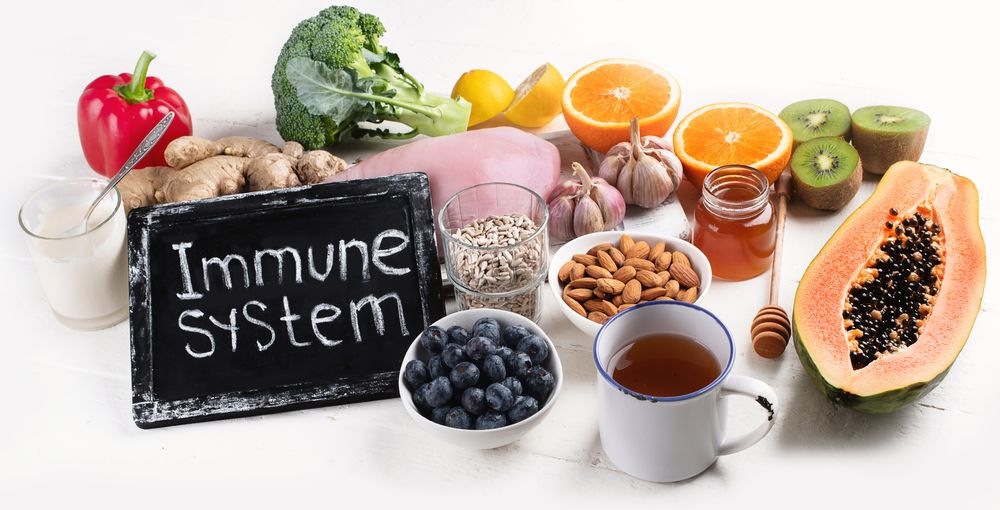
2. Clementines support the immune system
Vitamin C plays an important role in supporting the immune system. Research shows vitamin C might help prevent diseases, including colds and shorten illness duration and ease symptoms. Other studies suggest vitamin C also affects pneumonia.
3. Clementines reduce the risk of cancer
Many studies link eating acidic foods like clementines with lower cancer risks. The bioactive compounds, plant nutrients, fiber, and vitamin C in this fruit are thought to be why.
Also, other studies showed that eating citrus fruits lowers the risk ofbreast cancer by 10%, and it also protects against pancreatic cancer and esophageal cancerand stomach cancer.
4. Clementines boost bone health
As we age, bones get more fragile due to low New bone formation, diet can help reduce the loss of bone, studies have shown that beta-cryptoxanthin, found in clementines, can boost bone growth and also cut down bone breakdown, thus helping increase bone mass bone.
5. Clementines protect the skin and help healing
Keeping healthy skin It goes beyond just anti-aging or aesthetics, as the skin acts as a barrier protecting organs and vital systems from environmental risks. The skin naturally contains high levels of vitamin C, which works as an antioxidant that protects the skin from UV damage and boosts production of collagen.
Also, research shows vitamin C is important for keeping collagen and elastin balanced and healthy. This balance is harder to keep as you age. Vitamin C is also often used to help wounds heal.
Clementines provide good amounts of vitamin C, boosting those key benefits.
6. Clementines increase iron absorption
It is anemia caused by iron deficiency, one of the most common nutrition problems, especially in women aged 19-50. There are two types of iron in diets: heme iron (from animal sources) and non-heme iron (from plant sources like Spinach), non-heme iron is not absorbed like heme iron, but vitamin C can help increase absorption of this type of iron.
Eating foods rich in vitamin C, like clementines, along with foods containing non-heme iron, like spinach salad with bell pepper sweet and citrus fruits, can increase non-heme iron absorption by 3-6 times, which helps prevent anemia.
food allergy to clementines

Although it is not one of Food allergies The most common, but food allergies to citrus, including clementines, do exist, because there are specific different components in citrus that can cause food allergies.
Also, pollen allergies can cause some food allergy symptoms, like itching, redness, swelling, trouble breathing, and wheezing. So, if you have symptoms after eating citrus, talk to your healthcare provider for the right diagnosis.
Storing clementines and food safety

You can keep clementines at room temperature for about a week. They also stay good in the fridge for two to three weeks.
Even though citrus doesn’t usually cause foodborne illness, contamination can happen. So, wash the fruit first before eating it, even if you don’t eat the peel.
How to prepare clementines in recipes

One of the easiest ways to enjoy clementines is just eating them fresh as a snack by themselves. Since they don’t need refrigeration, they’re great for a quick snack on the go. Plus, their outer peel is easy to remove, which makes them perfect for kids.
Also, you can enjoy clementines in the following ways:-
-
Put pieces of clementine on spinach salad, it won’t just add sweetness but also help absorb the iron from the spinach.
-
Dip clementine pieces in melted dark chocolate, then put them in the fridge until they harden, then eat.
-
You can pair clementines with cashews or almonds for a snack rich in protein, carbs, and fiber.
While clementines are great as a snack, they’re also a great ingredient in recipes, adding citrus sweetness to fish, meat, and poultry dishes, balancing acidity and sweet flavor.