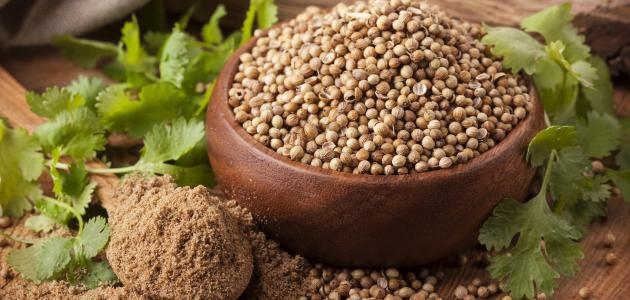
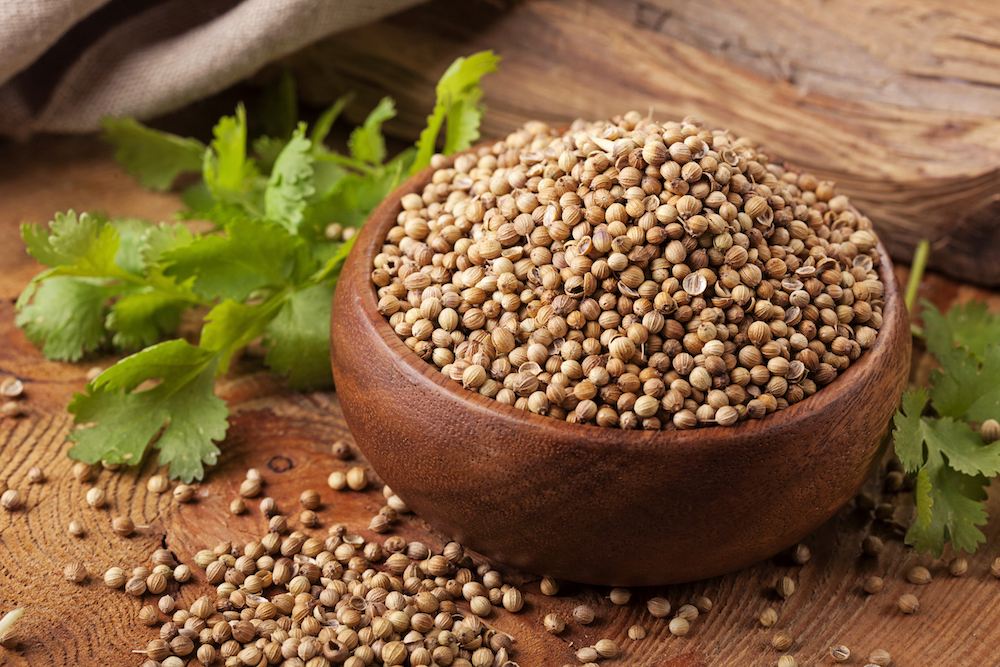
Coriander is considered one of the most important leafy vegetables that are widely used in many dishes and different recipes. You can use coriander in its green herb form or dried as a spice. You can find it in stores in all its forms. Coriander has been used for centuries for medical purposes, in this article, we will learn about the nutritional value and health benefits of coriander.
-
Nutritional value of coriander:-
Here is the nutritional value in 100 gm of coriander:-
| Calories | 23 calories |
| fat | 0.52 grams |
| sodium | 64 milligrams |
| carbohydrates | 3.67 grams |
| sugar | 0.87 grams |
| protein | 2.13 grams |
| fiber | 2.8 grams |
-
carbohydrates :-
A 100-gram serving of coriander provides 3.6 grams of carbohydratesThis amount of carbs provides 2.8 grams of fiber, so we consider coriander a good source of fiber.
-
Fat :-
Coriander is almost fat-free food, as a 100 g serving of coriander provides 0.5 grams of fat.
-
Protein:-
A 100 g serving of coriander provides about 2 grams of protein.
-
Vitamins and minerals :-
Coriander offers many micronutrients like calcium and potassium, plus small amounts of magnesium and phosphorus.
-
Calories:-
Coriander is low-calorie food Calories, a 100g serving of coriander provides about 23 calories, letting you eat a lot without adding many calories, which helps with weight management.
-
Health benefits of coriander :-
Coriander has many micronutrients and is also a high-fiber food, So coriander gives some health benefits you can take advantage of like :-
-
Relieving constipation:
Studies found that coriander has some antioxidants that help improve bowel movement and make digestion easier, helping to reduce the feeling of constipation, and get rid of belly bloating and nausea.
So coriander could be useful for easing irritable bowel syndrome issues and can also help boost appetite.
-
Diabetes management:
There’s growing evidence that coriander may help in managing diabetesSome studies suggest coriander seed extract can help keep blood sugar levels steady and also has protective effects for health, especially against heart and blood vessel diseases.
-
Multiple uses :-
Coriander is a green herb used in cooking and as a spice to add flavor. It's also used in making cosmetics and tobacco products.
Coriander can be one of many ingredients in some teas like Smooth Move, which are shown to boost bowel movement, but it's unclear how much coriander alone helps.
-
Helps with weight loss:-
Coriander is low-calorie food, so it doesn't add calories you need to worry about when trying to lose weight. It also boosts metabolism, helping burn fat faster.
There are recipes using coriander seeds with boiling water or certain teas to boost fat burning and aid weight loss.
-
Allergy :-

Cilantro is generally recognized as safe food by the FDA, but you might have an allergic reaction to some spices, including cilantro. Symptoms can be mild like a rash, redness, and swelling, or severe like anaphylaxis. So if you suspect an allergy to cilantro, you should check with a healthcare provider.
Besides that, pregnant or breastfeeding women, or those with low blood pressure, diabetes, or about to have surgery in two weeks, should check with their healthcare provider before using cilantro.
Cilantro can interfere with some medications like those for high blood pressure, diabetes, and sedatives. So ask your healthcare provider if it’s okay to take cilantro while on those meds.
-
Storage and Food Safety :-
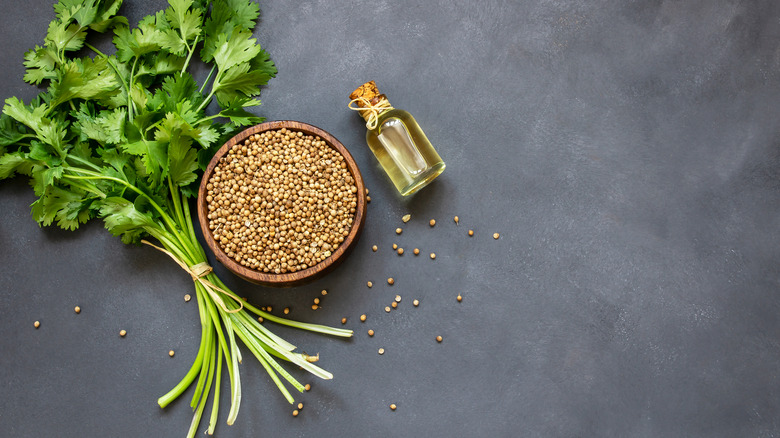
You should buy cilantro leaves when they’re at peak freshness. The leaves should be bright green and not wilted. Once home, store cilantro in the fridge where it stays fresh about a week. You can add cilantro like other fresh herbs to your dishes for color, crunch, and added flavor.
If you buy cilantro as seeds or spices, store them in a tightly sealed container in a cool dry place, like a pantry. Spices can keep for two or three years.
-
Preparation Method :-
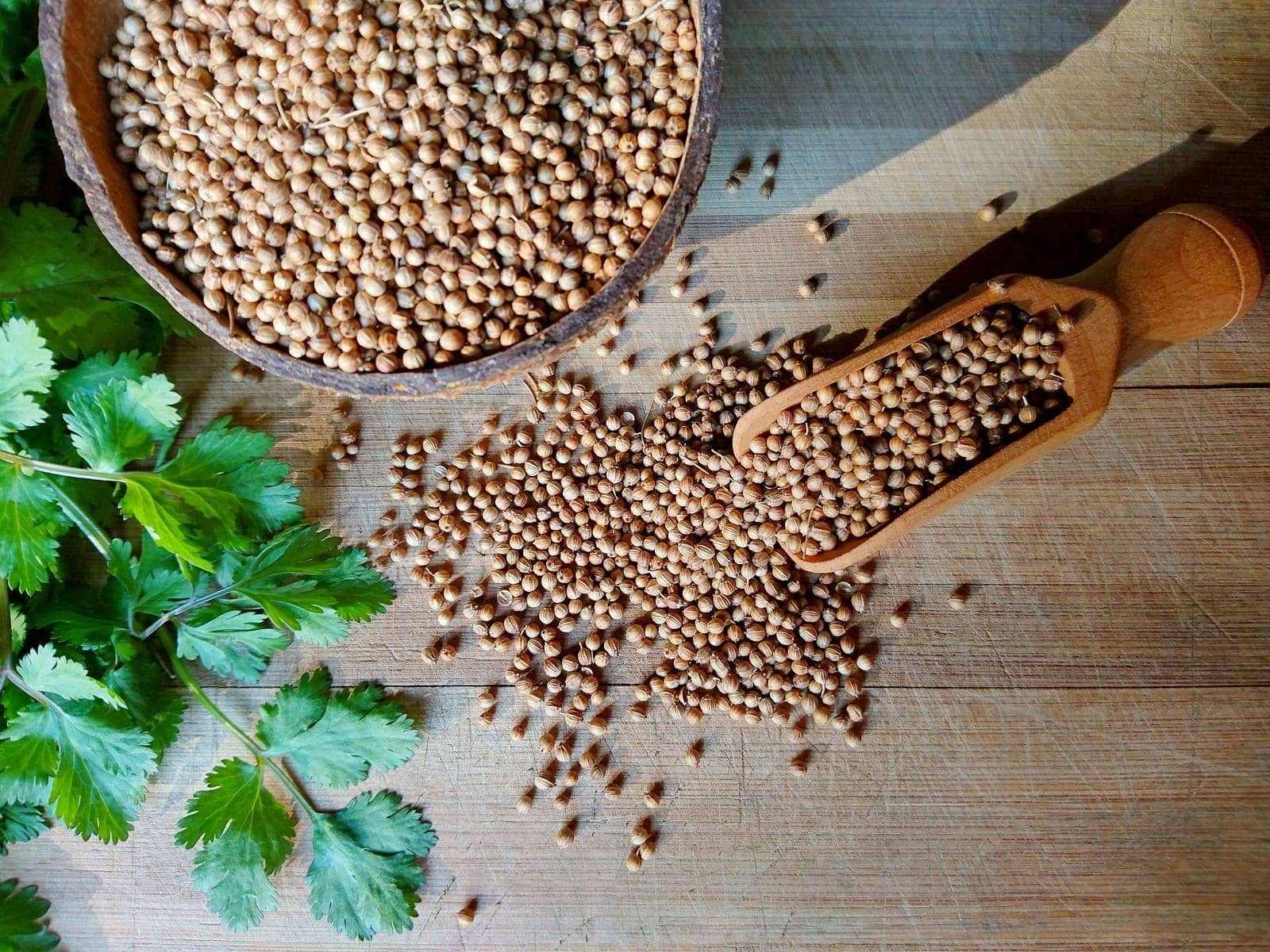
You can use fresh cilantro leaves in dishes to get the micronutrients they have. They also add flavor and crunch, especially to salads. You can also use cilantro to garnish your dishes.
You can also use coriander seeds to make some warm drinks, and you can grind them to use as spices to add flavor to your dishes.