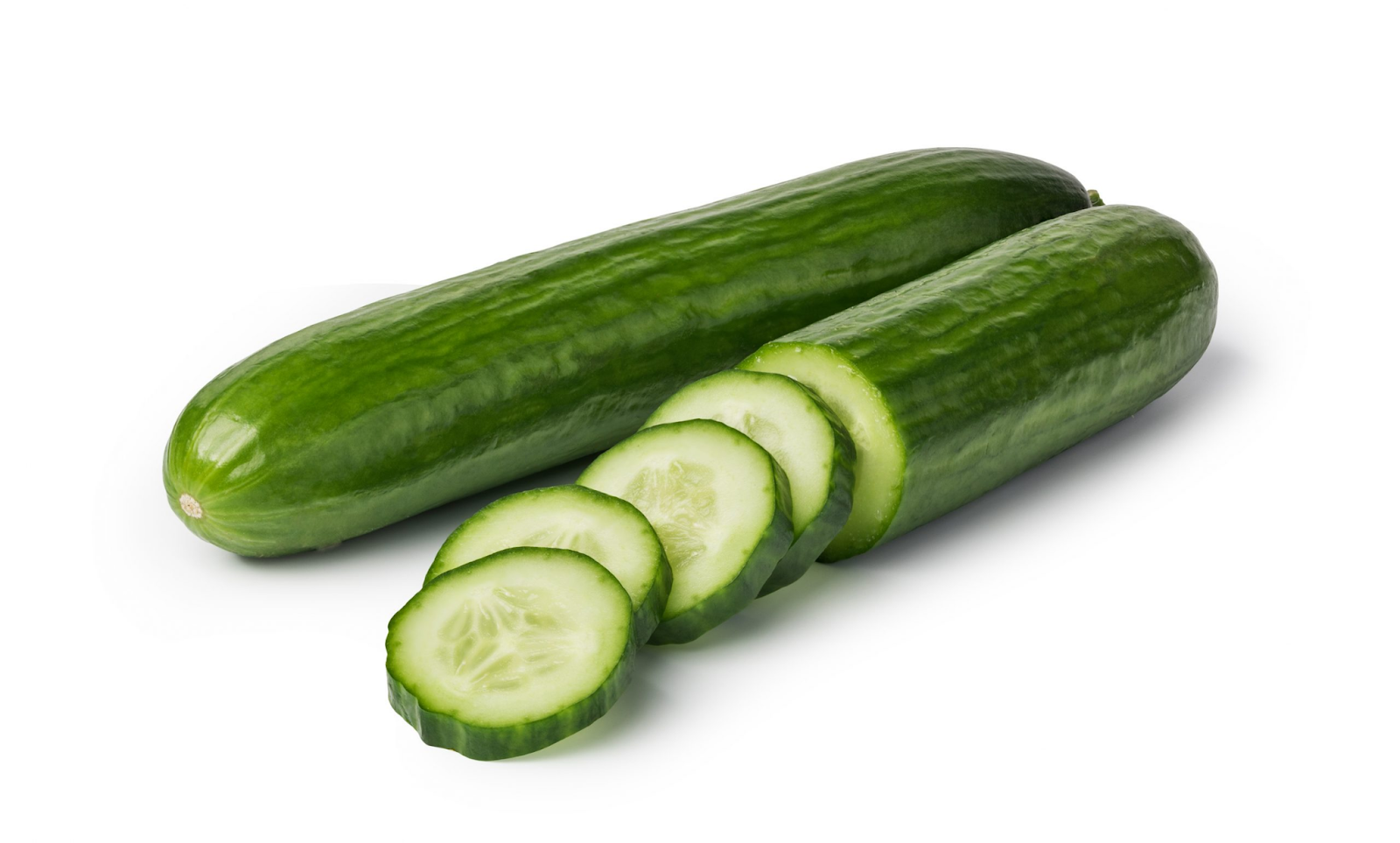
Cucumber is a popular crunchy vegetable that is refreshing because it's mostly water, up to 95%. It offers many health benefits thanks to its vitamins and minerals like potassium, vitamin K, vitamin C, and other plant chemicals. In this article, we'll look at the nutritional value of cucumber and its various health benefits.
-
Nutritional value in cucumber :-
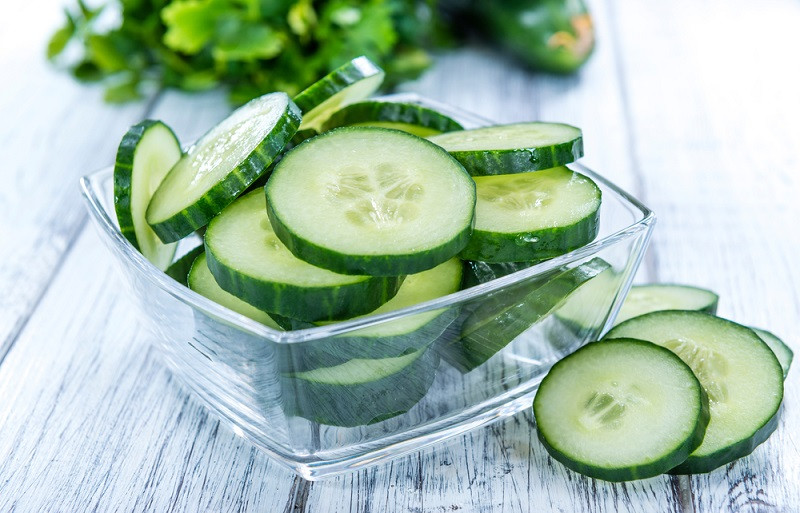
Here is the nutritional value in 100 g of cucumber with the peel :-
| Calories | 15 calories |
| Fats | 0.11 grams |
| Sodium | 2 milligrams |
| Carbohydrates | 3.63 grams |
| Fiber | 0.5 grams |
| Sugar | 1.67 grams |
| Protein | 065 grams |
-
Carbohydrates :-
A 100g serving of cucumber provides about 3.6 grams of carbohydrates, carbohydrates consist of fiber andsugar natural, where the same serving provides about 0.5 grams of fiber, and about 1.6 grams of natural sugar.
Cucumber contains Sugar index low blood sugar at 15.2, which means eating cucumber is unlikely to raise blood sugar levels.
-
fat :-
A 100 gram serving of cucumber gives about 0.1 grams of Fat, so there's almost no fat in cucumber, and this tiny amount of fat is of the unsaturated kind, which we consider good fats for health because they might help improve blood cholesterol levels.
-
Vitamins and minerals :-
Cucumber naturally has a high water content, so the nutrient concentration is low in it, but it still contains some types of vitamins and minerals, like vitamin K andVitamin C andpotassium.
Cucumber also has small amounts of calcium and magnesium andphosphorus AndVitamin A.
-
Calories :-
A 100 g serving of cucumber provides about 15 calories only, making cucumber a suitable choice when following a low-calorie diet, and aiming for weight management.
-
Health benefits of cucumber :-
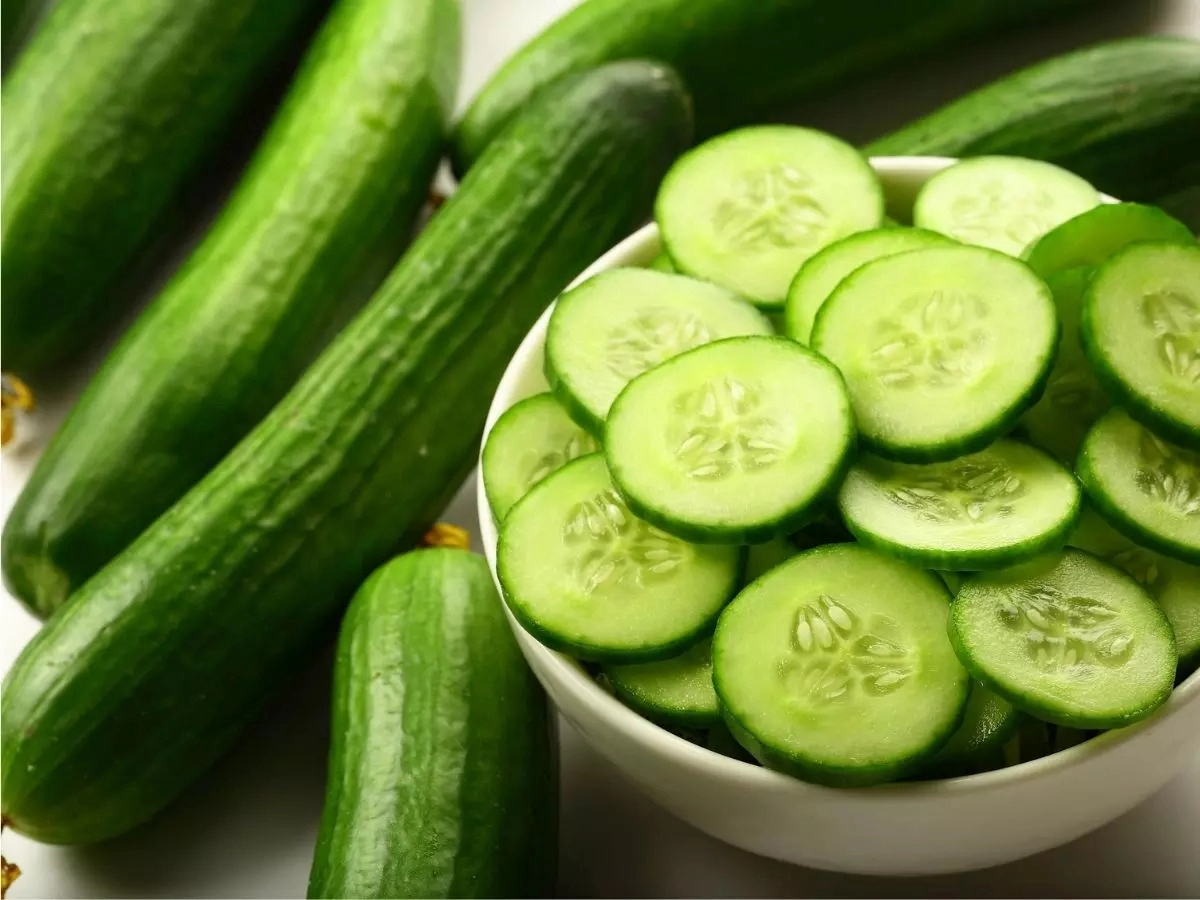
Since cucumber has many vitamins, minerals, and some unique substances found to offer lots of health benefits, cucumber has some important health perks, including :-
-
Helps reduce some digestive inflammations :-
Diverticulitis is one of the digestive inflammations that cause painful swelling in the colon, and this sometimes needs hospital stays. Research shows eating a lot of fiber, which cucumber provides some of, lowers the chance of hospital visits from this inflammation.
-
Lowers cancer risks :-
Cucumber has some natural plant compounds that can stop cancer growth, especially breast cancer.
Cucumber also has substances called flavonoids, and research shows they have strong antioxidant effects and can fight cancer.
-
Better blood sugar control :-
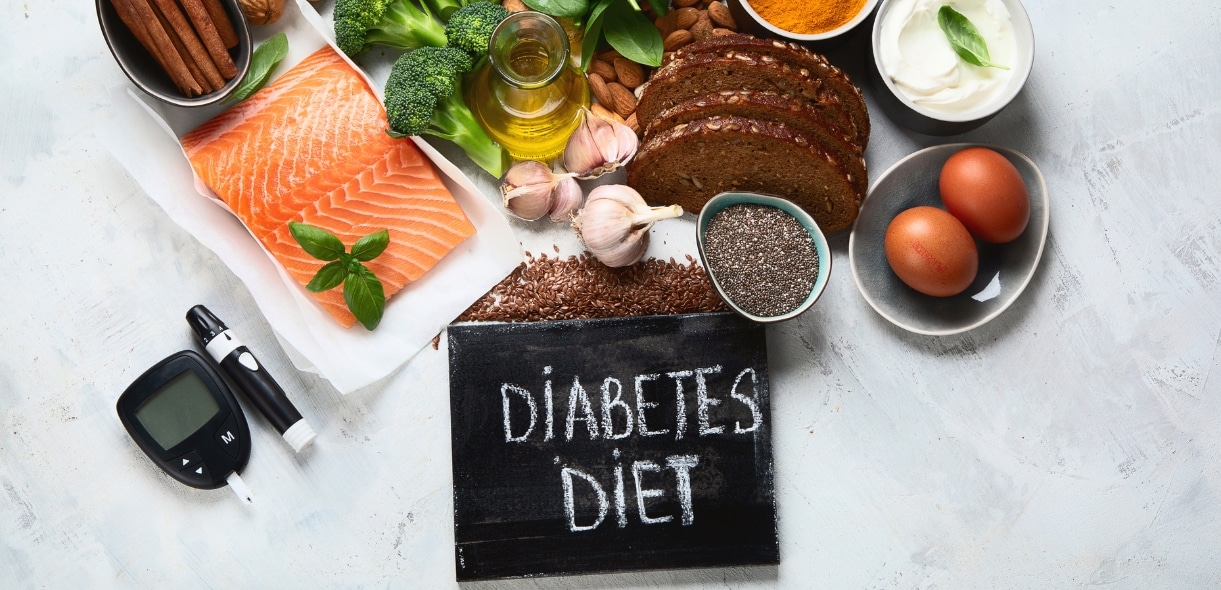
Cucumber is a non-starchy veggie and one of the best foods for controlling diabetes, as the American Diabetes Association recommends eating 3 to 5 servings of non-starchy veggies daily.
So eating more non-starchy veggies can help satisfy your appetite without raising blood sugar levels. Plus, cucumbers have a high water content, making them perfect for controlling blood sugar.
-
Supporting heart health :-
Including cucumber in your diet is a great way to add more fiber and potassium to your meals. Fiber helps you feel full and keeps cholesterol levels down, while potassium lowers blood pressure.
Cucumber also provides folic acid, an essential B vitamin that lowers the risk of strokes.
-
Boosting body hydration :-
Drinking water is the best way to stay hydrated, but foods high in water like cucumber can also provide good hydration. Cucumber is 95% water, making it a great way to rehydrate in hot weather.
Eating cucumber after tough workouts helps replace electrolytes and water your body lost during exercise.
-
Allergy :-
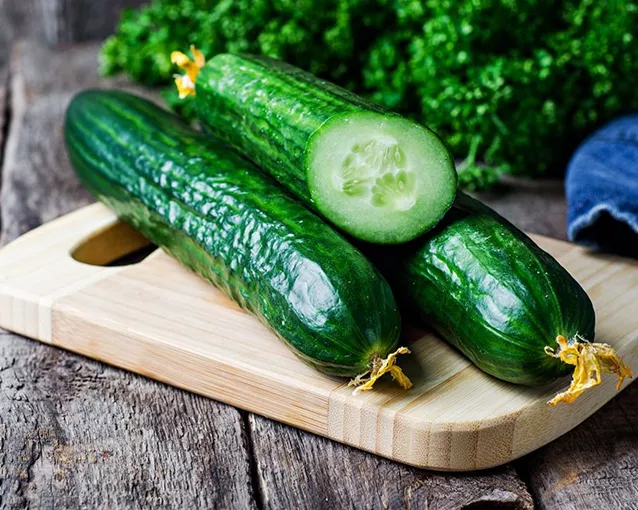
You might be allergic to cucumber. Allergy symptoms can include dizziness, swollen tongue, swollen throat, chest tightness, and trouble breathing. If you suspect an allergy to cucumber, see a doctor for proper diagnosis.
-
Storage and food safety :-
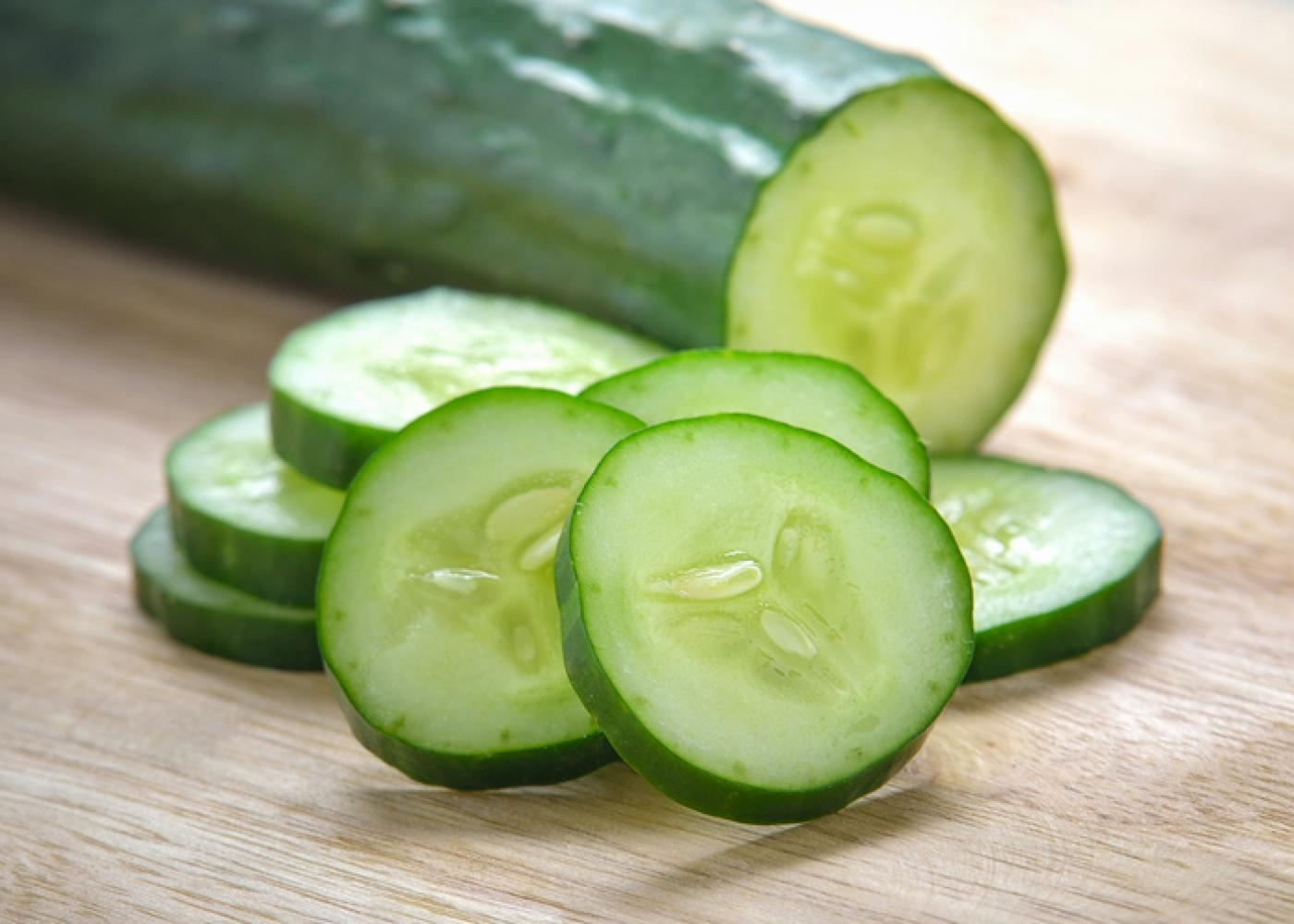
You can usually keep fresh cucumber in the fridge for about a week before using it.
Wash the cucumber well before cutting, peeling, or eating it. It dries out fast once cut, so cover the exposed parts and store it in the fridge until you use it in a few days.
You can also pickle cucumbers in vinegar or freeze them for up to a year.
-
How to prepare :-

You can slice cucumber for salads or use it to dip fatty foods instead of bread.
Mix cucumbers with plain yogurt, dill, and mint to make a side dish, especially with spicy meals.
You can also make cucumber appetizers by decorating cucumber slices with various tasty layers.
You can mix cucumber with fruits like watermelon to make a cold salad, and you can hydrate your body with a refreshing glass of water soaked with cucumber, or make a cucumber smoothie.
A flexible and balanced diet including fruits, vegetables, and other foods gives your body all the nutrients it needs to be healthy. Fitness Garage can prepare balanced plans that fit your goals. For details, you can visit Fitness Garage's Facebook page at here.
Article sources :- 1.