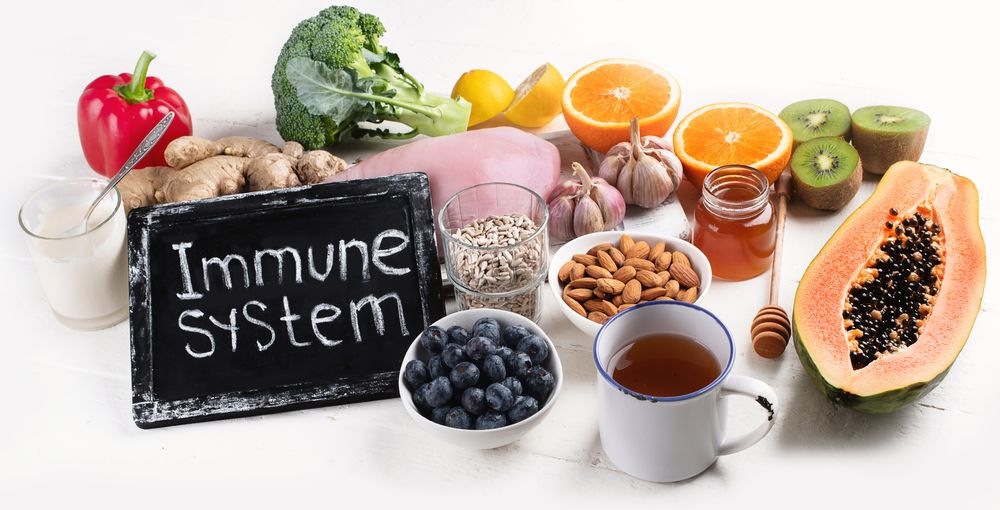
Kiwi is a small fruit packed with big health and nutrition benefits. It's also called Chinese gooseberry because it originally comes from China and then spread worldwide.
Kiwi is a sweet, great way to add lots of nutrients like vitamins, minerals, and fiber to your diet. But keep in mind, kiwi is one of the fruits that most often cause food allergies.
In this article, we'll look at the calories in kiwi, its health benefits, and how to use it in recipes.
Calories in kiwi

Here are the calories and full nutrition facts for 100 grams of fresh kiwi:-
| Calories | 61 calories |
| Fat | 0.52 grams |
| Sodium | 3 milligrams |
| Carbohydrates | 14.66 grams |
| Fiber | 3 grams |
| Sugar | 8.99 grams |
| Protein | 1.14 grams |
-
Carbohydrates
A 100 gram serving of kiwi provides about 15 grams of carbohydrates, including about 3 grams of Fiber, and 9 grams of sugars natural.
Also, it is considered the glycemic index GI of kiwi fruit is low, estimated at about 52.
-
fat
Kiwi fruit has almost no fat, with 100 grams giving about ½ gram of fat, all of which are unsaturated fats , the healthy type that supports heart and blood vessel health.
-
protein
Kiwi fruit does not provide large amounts of protein Also, since a 100 gram serving provides about only 1 gram of protein, it means this fruit is not a source of amino acids.
-
Vitamins and minerals
Kiwi fruit can provide good amounts of some important vitamins and minerals , including vitamin C andVitamin K and Vitamin E andFolic acid andPotassium mineral.
-
Calories
Kiwi fruit is considered a low-calorie food calories, where 100 grams provide about 61 calories, made up of 86% carbs, 7% protein, and 7% fat.
Health benefits of kiwi

Since kiwi has lots of antioxidants and fiber, it can offer several important health benefits including:
1. Kiwi helps prevent iron-deficiency anemia
Kiwi itself is not a source of iron, but it can help your body absorb ironIt's a good source of vitamin C, which helps your body absorb iron better and thus prevents iron deficiency in your blood, helping to avoidanemia.
One study found that eating kiwi with iron-fortified cereal raised ferritin levels more than eating banana with iron-fortified cereal.
2. Kiwi reduces cold symptoms
A study on healthy older adults showed kiwi can help shorten how long and how bad upper respiratory infections like colds are. Participants who ate 4 kiwis daily reported less severe congestion.
Also, studies found people who ate kiwi got over cold symptoms faster than those who didn’t.
3. Kiwi supports heart health
Kiwi fruit is naturally a low sodium, plus it's a good source of potassium. This low sodium and high potassium combo is great for lowering blood pressure.
Also, folic acid found in kiwi is linked to lower stroke risk. Plus, the fiber in kiwi helps keep cholesterol levels low.
So, adding kiwi to your meal plan, especially instead of salty snacks, is a great way to protect your heart and blood vessels.
4. Kiwi improves digestive health
Eating kiwi alone or with meals can support healthy digestion in many ways. Kiwi is a good source of soluble and insoluble fiber, which are key for regular bowel movements. They increase stool bulk and support healthy gut bacteria that help with digestion.
Also, kiwi has the enzyme actinidin, which can help digest proteins in the stomach and small intestine. Besides that, for people with IBS (Irritable Bowel Syndrome)Kiwi is a food low in FODMAPs, which means it is low in sugars that can trigger annoying IBS symptoms.
5. Kiwi helps wounds heal
The most common micronutrients in kiwi fruit are vitamin C and vitamin K, both playing a key role in wound healing. Also, vitamin C is a precursor for collagen, which is a structural component of the skin. Vitamin C is also a strong antioxidant that helps the body's natural repair mechanisms.
Additionally, to prevent excess bleeding, the vitamin K in kiwi boosts blood clotting at the right time, and it is also linked toBone strength and fracture prevention.
Kiwi food allergy

Unfortunately, kiwi food allergy is one of the most common fruit allergies, along with peach andapple, kiwi allergy is sometimes linked to allergies to pollen, latex, or other fruits.
Allergy symptoms from kiwi can include rash, itching, swelling of the mouth, lips, and throat. Severe cases might cause heart palpitations or anaphylaxis.
If you think you have a kiwi food allergy, see a doctor for a proper diagnosis.
Kiwi Storage and Food Safety

Once kiwi is ripe, you can keep it in the fridge for 7 days. Putting it in a plastic bag helps keep moisture, so it can last up to two weeks.
Wash kiwis under running water before cutting or eating. You can eat the whole kiwi, including seeds and skin, though many prefer to peel it first.
How to Prepare Kiwi in Recipes

It's best to eat kiwi raw, by hand or sliced in fruit salads. Its bright green color adds a fresh look as a topping or decoration.
Kiwi can also be added to smoothies, sauces, and dessert mousses. The enzyme actinidin in kiwi naturally tenderizes meat, making it useful in marinades.