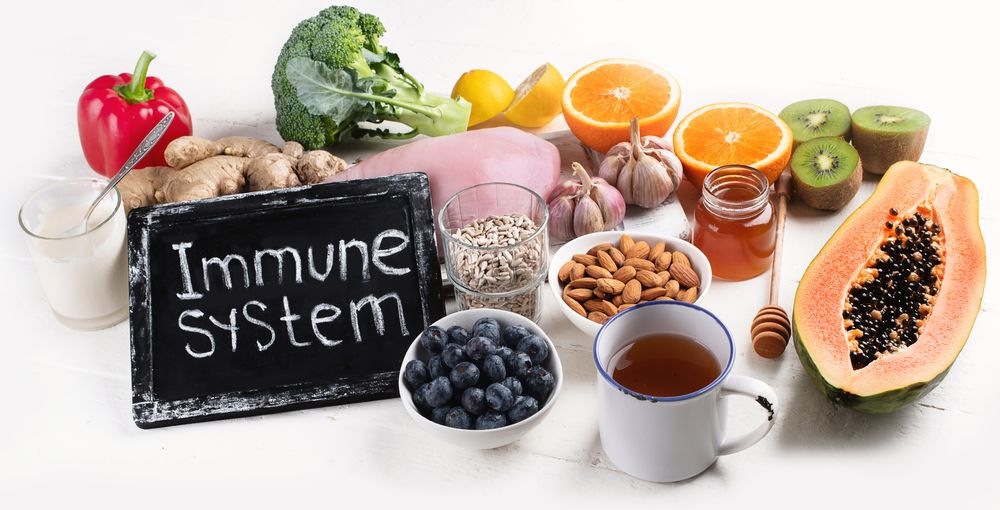
Lemon belongs to citrus fruits. This fruit is known for adding flavor, acidity, and freshness to drinks and foods. It is also used to garnish dishes and desserts.
Lemon is a versatile fruit and an excellent source of vitamin C, and it also contains a small amount of calories andcarbohydrates, so it's a perfect fruit to include in diet plans various.
In this article, we'll learn about the calories, health benefits, and how to use lemon in different recipes.
Calories in lemon
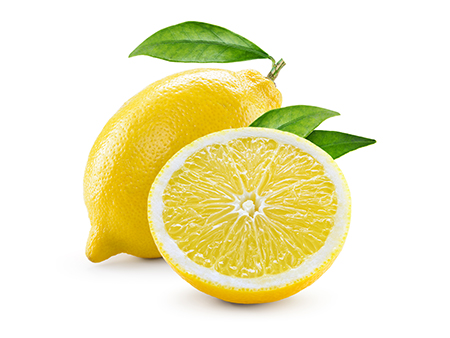
Here are the calories and full nutrition values in 100 grams of lemon without peel:-
| Calories | 29 calories |
| Fat | 0.3 grams |
| Sodium | 2 mg |
| Carbs | 9.32 grams |
| Fiber | 2.8 grams |
| Sugar | 2.5 grams |
| Protein | 1.1 grams |
| Vitamin C | 53 milligrams |
Carbohydrates
A 100 gram serving of peeled lemon provides about 9 grams of carbohydrates, made up of Carbohydrates Mainly from fiber, where the same serving provides about 3 grams of fiber, and 2.5 grams of sugar.
Lemon is a low glycemic index food, its glycemic load is 1, so it's suitable for various diets, including those designed forDiabetes.
Fat
Lemon is almost free of fat, where a 100 gram serving of peeled lemon provides about 0.3 grams of fat only.
Protein
Lemon is not a good source either to provide proteinA 100-gram serving of peeled lemon provides about only 1 gram of protein.
Vitamins and minerals
Lemon is considered a good source of many vitaminsIt’s an excellent source of vitamin C, and also contains amounts of vitamin B6, thiamine, andfolic acid.
But lemon is not a good source of minerals, and it does have small amounts of calcium, andiron, andpotassium.
Health benefits of lemon

Scientists think the health benefits of lemon come from its high vitamin C content, Here are some important benefits of lemon:-
-
Lemon improves heart health
Studies linked eating large amounts of vitamin C to a lower risk of heart and blood vessel diseases, including coronary heart disease and strokes. Vitamin C is a strong antioxidant. It helps prevent oxidation that can cause heart and blood vessel diseases.
Other studies show that low vitamin C is linked to higher risks of death from heart and blood vessel diseases.
-
Lemon slows down aging
Vitamin C is a strong antioxidant, proven to help prevent cell damage caused by oxidative stress. There are studies that suggest antioxidants may affect how we age.
Other research says antioxidants help improve skin health, delay wrinkles, and even help in some diseases linked to aging.
-
Lemon improves vision
Researchers are studying if taking larger amounts of vitamin C can help treat or prevent age-related macular degeneration and cataracts, common causes of vision loss in older adults.
-
Lemon supports immune functions
Vitamin C plays an important role in immune functions, and people take vitamin C and lemon supplements to prevent and treat colds. Studies showed that taking about 250 mg of vitamin C daily might help some people reduce the severity ofcolds.
-
Lemon helps prevent cancer
According to the US National Cancer Institute NCI, higher antioxidant levels may stop damage from free radicals, which could cause cancer. Antioxidants like those in lemon.
-
Lemon stops vitamin C deficiency
Some diseases happen because of vitamin C lack, like scurvy or vitamin C deficiency, which you can treat by eating lemon andorange, so these diseases are rare now, because you can prevent them with less than 10 mg of vitamin C, which you get from just one lemon.
Lemon allergy

People allergic to citrus should avoid eating lemon and products made from lemon or its peel.
Citrus allergy is not common but still exists. It can cause problems like asthma when people inhale lemon or orange peel. So if you think you might be allergic to lemon, you should see a doctor for the right diagnosis.
Lemon storage and food safety

Keeping lemons at room temperature can keep them good for about a week. So you should store them in the fridge in a plastic bag to keep them fresh longer.
You can also freeze lemons whole, sliced, or as juice in freezer bags with as much air removed as possible.
Lemon can also help keep some other foods fresh longer, like apples and pears andbananas Andavocado Andfor potatoes andeggplant, since these foods tend to turn brown because of oxidation.
How to prepare lemon from recipes
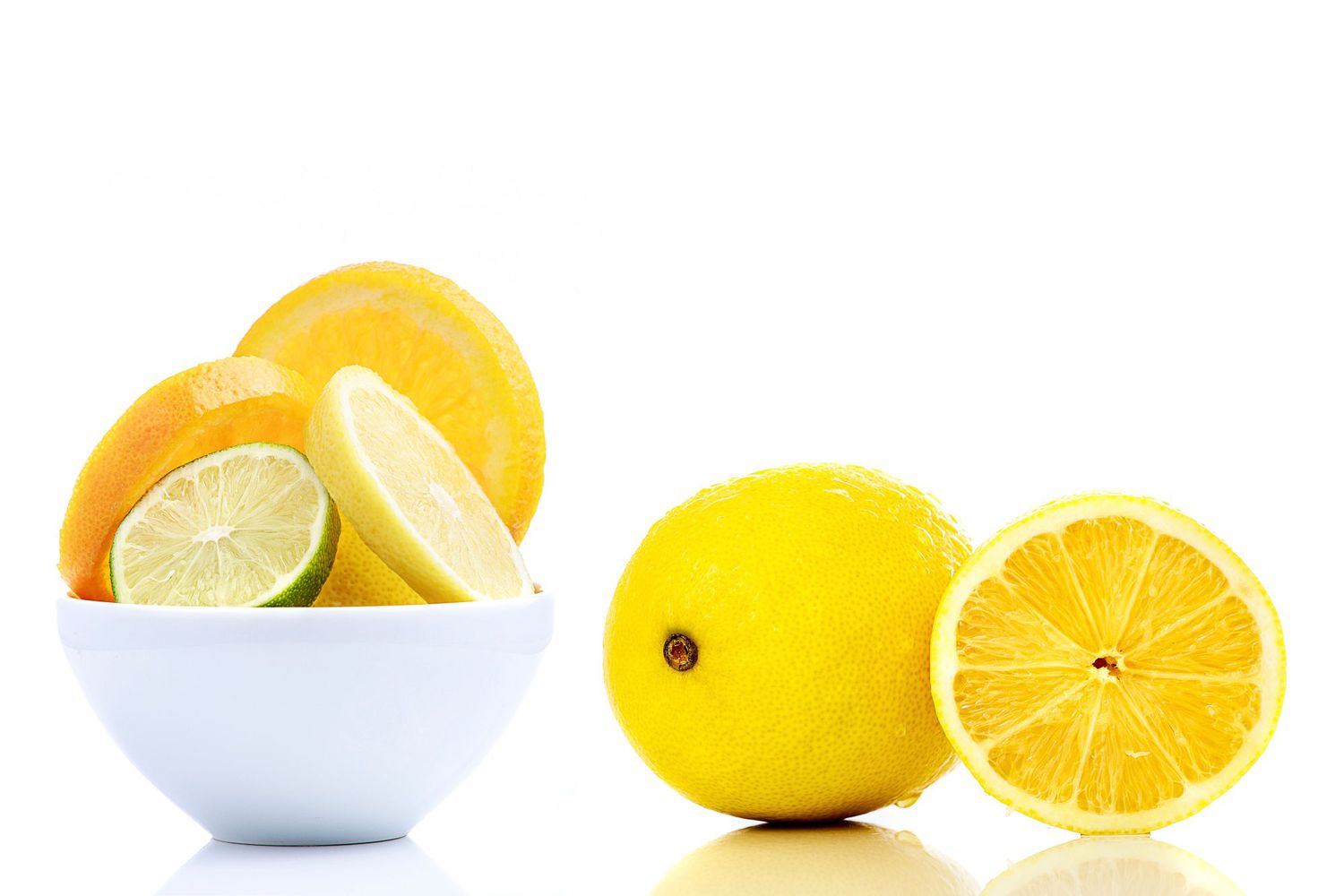
You can eat lemon as is, but maybe not everyone can handle its sour taste. Instead, you can use lemon to add color and flavor to all kinds of foods and recipes.
You can make dressings salads especially for those trying to cut down on sodium and calories.
You can slice lemon and add it to water to give flavor to plain water or sparkling water.
You can use lemon juice in fruit salads to keep them from turning brown, use it as an ingredient in pickles, and lemon or its juice can also be used in options Making healthy sweets.
Adding a variety of fruits to your daily diet makes sure you get enough different nutrients that your body needs to work healthy and balanced. Of course, lemon is one of the most important fruits.
Article:- 1.