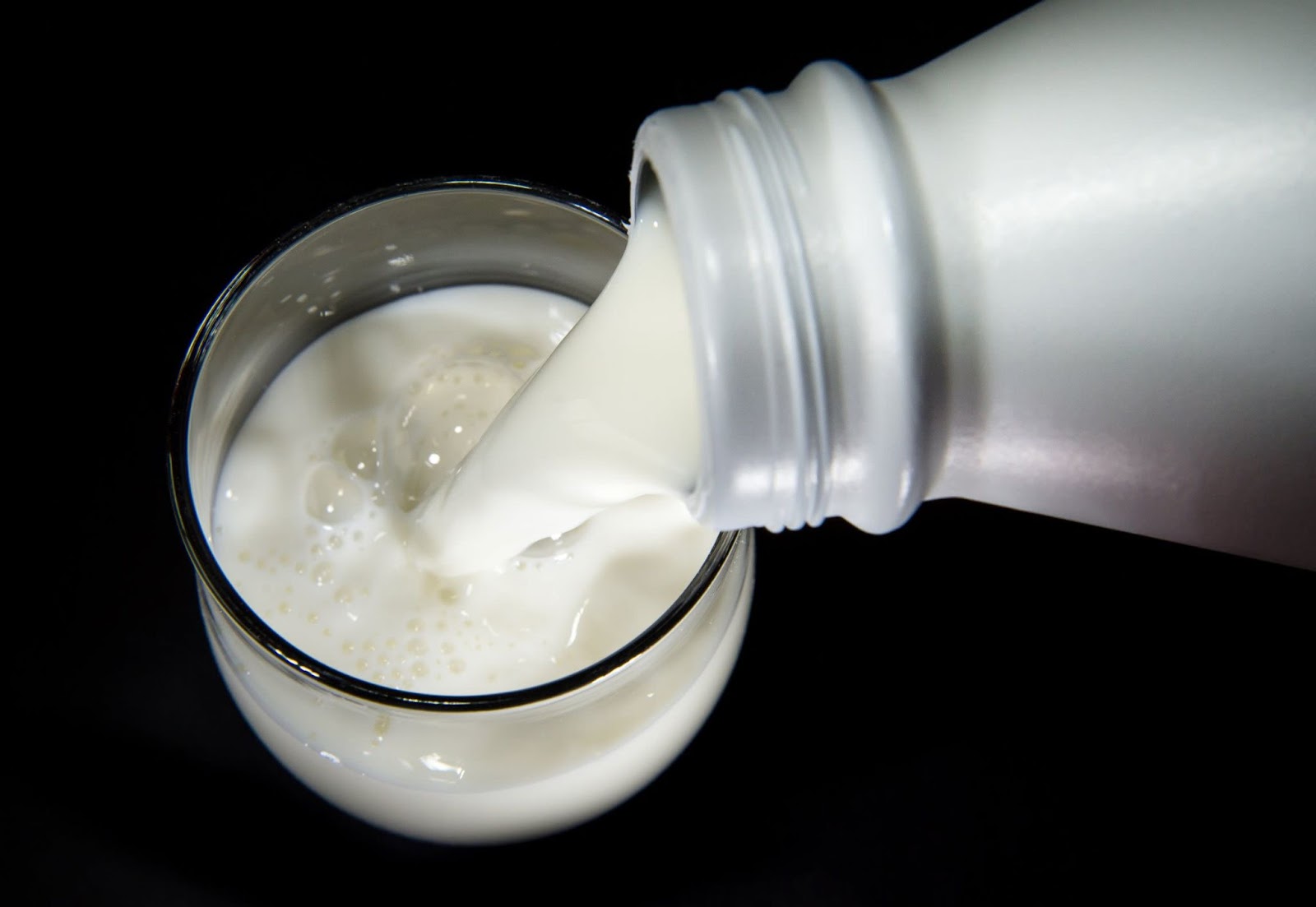
Is considered milk one of the most important healthy drinks recommended by nutrition experts and should be included in diet plans, milk provides large amounts of various vitamins and minerals, in addition to offering many health benefits for the body.
Not everyone can drink milk, some people may suffer from lactose intolerance, which is a natural sugar found in milk. Low-fat and skim milk provide fat-free proteins, and milk is an excellent source of calcium, In this article, we will learn about the calories in milk and its various health benefits.
Calories in milk
Here are the calories and full nutrition values in 100 grams of whole milk:-
| Calories | 60 calories |
| Fat | 3.25 grams |
| Carbohydrates | 4.52 grams |
| Fiber | 0 grams |
| Sugar | 5.26 grams |
| Protein | 3.22 grams |
| Calcium | 113 milligrams |
-
Carbohydrates
A 100-gram serving of whole milk provides about 4.5 grams of carbohydrates, the carbohydrates in regular milk are lactose sugar, and some types of processed milk and its products may contain added sugars.
Despite milk's high content of carbohydrates, glycemic indexThe glycemic load of milk is low, so it's considered a safe food especially for those with diabetes.
-
Fat
Lately, milk is marketed based on how much fatit contains, making it easier for consumers to pick the type depending on their diet, whether full-fat, semi-skimmed, or skimmed milk.
A 100 gram serving of full-fat milk provides about 3.2 grams of fat, half of which is saturated fat, and the other half unsaturated fat. Milk can also be a good source ofOmega-3 fatty acids.
-
Protein
Milk is a good source of protein, with a 100 gram serving of full-fat milk providing about 3 grams of protein, milk protein contains all nine essential amino acids the body needs.
-
Vitamins and minerals
Milk provides many minerals The collarbone on top of it Calcium, a 100 gram serving of whole milk provides about 113 milligrams of calcium, and amounts of phosphorus, andpotassium, andzinc.
Besides many vitamins, like vitamin D, andvitamin B12, andvitamin B1 (thiamine), vitamin B2 (riboflavin), and vitamin B5 (acid
Pantothenic).
-
Calories
Whole milk contains more calories, compared to low-fat or fat-free types, as a 100 gram serving of whole milk provides about 60 calories.
So fat-free milk is a good source of protein, especially for those following low-calorie diets.
Health benefits of milk for women

Experts recommend including milk and various dairy products in diets, because milk provides many important vitamins and minerals. It offers many key health benefits for the body. They also advise choosing milk and dairy products without added sugars and those with high fat content. Here are the main benefits of milk for the body:-
-
Milk improves bone density
Milk contains large amounts of calcium and vitamin D, which are important and essential elements forstrong bones and health, and they help prevent osteoporosis.
Consuming milk and dairy products during childhood and adolescence is linked to a lower risk of osteoporosis in later life.
-
Milk reduces the risks of high blood pressure
Studies on many women found a strong link between low milk and dairy intake, andhigh blood pressure, and higher risk of osteoporosis.
Other studies also found that calcium slightly lowers blood pressure in people without hypertension, showing calcium has a big protective role in reducing blood pressure. Of course, calcium is one of the key things milk provides.
-
Milk improves muscle mass and performance
Studies on older women aged 70-85 found that those who drank more milk and dairy had better body musclecomposition and performance compared to those who drank less or none at all.
In younger women, using milk as a drink for recovery after resistance workouts led to more muscle mass, more strength, and fat loss.
-
Milk might protect against cancer
Studies found that calcium can protect the body from some cancers like colon, rectal, ovarian, and breast cancer. Milk and dairy products are known to provide the body with enough calcium.
-
Milk helps with weight loss
Studies done on about 18000 women over 40 years old, that consuming milk and dairy products may help prevent weight gain in these women at this age.
Milk allergy
Milk allergy is the most common allergy in children. It seems to affect up to 3% of kids. Some, but not all, outgrow it by adulthood.
Milk allergy can cause many symptoms including skin reactions like redness, spots, and inflammation, tummy discomfort, vomiting, diarrhea, bloating, breathing problems, and even severe reactions like anaphylaxis.
Avoiding milk and dairy is the main treatment for milk allergy. You can ask your doctor for dietary advice specific to your allergy.
How to store milk and keep it safe
Milk spoils easily, so you should only buy amounts you can use quickly.
Store milk in the fridge. if it doesn’t smell off, it’s usually safe to use.
How to use milk in recipes

You can enjoy milk on its own or add it to drinks like hot tea, coffee, cocoa, cinnamon, or cold juices like banana, guava, and strawberry.
Have a protein-rich breakfast by adding milk to oatmeal, making different egg pancakes, or using milk in sauces and broths.
Milk is used in many desserts and baked goods. You can use low-fat or skim milk if you want to cut calories.