Throughout history, people have used different types of mint plants in medicine. Various types of mint offer antioxidant properties and potential health benefits, especially for those with irritable bowel syndrome.
Mint is a well-known leafy green and herb used in many dishes in different ways. Its extracts, like oil, are also often used in making toothpaste, gum, candy, and beauty products.
Using spices and herbs, including fresh mint, in cooking can add flavor while cutting down on sodium and sugar intake, This article will cover the nutritional value and many health benefits of mint leaves.
-
Nutritional value of mint:-
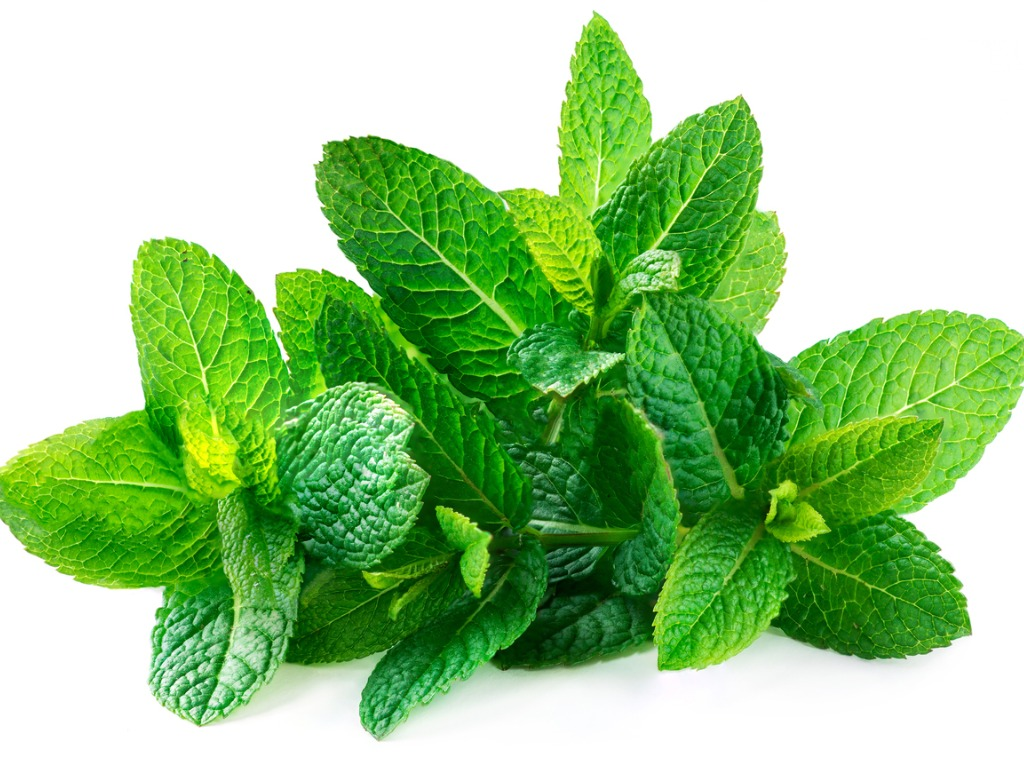
Here is the nutritional value in 100 gm of fresh mint:-
| Calories | 70 calories |
| fat | 0.94 grams |
| sodium | 31 milligrams |
| carbohydrates | 14.89 grams |
| fiber | 8 grams |
| sugar | 0 grams |
| protein | 3.75 grams |
-
carbohydrates:
A 100 gram serving of mint provides about 15 grams ofcarbohydrates, almost more than half of it from fiber, where a 100g serving of mint provides 8 grams of fiber, making it a good food for digestive health, the sugar content in mint is almost zero.
-
fat :-
Mint is considered almost fat-free food, where a 100g serving of mint provides less than 1g of fat.
-
protein :-
A 100g serving of mint provides about 3.7g of Protein, so mint is considered a good food source for protein, but the amounts usually used in food do not provide these large amounts of nutrients generally, and protein specifically.
-
Calories:-
Mint is a low food Calories, where a 100 g serving of mint provides about 70 calories, and compared to the amount of mint used in dishes, the calories from mint are almost negligible.
-
Vitamins and minerals:-
Mint contains many Vitamins and minerals And micronutrients, mint provides amounts of potassium, magnesium, calcium, phosphorus, and iron, and it also provides vitamins A and C.
-
Health benefits of mint:-
Since mint contains high amounts of fiber, along with providing large amounts of micronutrients, There are some health benefits that mint provides including:-
-
Managing digestive system problems:-
Mint is a calming herb people have used for thousands of years to help soothe stomach upset or indigestion. Some recent studies published in 2019 found mint can be used as a treatment for a range of digestive diseases including indigestion, irritable bowel syndrome, stomach pain in children, and feeling sick after surgery.
Experts found mint fights harmful microbes, regulates muscle relaxation, helps control inflammation, and there's evidence mint oil played an effective and safe role for pain symptoms in people with irritable bowel syndrome.
-
Reducing asthma symptoms:
According to some studies published in 2019 in Frontiers in Pharmacology, the mint plant family offers a group of plant compounds that have anti-allergy effects.
Mint plants have been found to contain antioxidants and anti-inflammatory agents called rosmarinic acid. Rosmarinic acid may help reduce asthma symptoms.
There are also mint extracts from oils and ointments that might have a much stronger effect than edible mint. There is little research on how edible mint affects allergy symptoms.
-
Soothing cold symptoms:
Mint contains menthol, an aromatic decongestant that may help break up phlegm and mucus, making it easier to expel.
Menthol ointments or steam rubs might be a safe and effective treatment for kids with colds. However, the American Lung Association (ALA) says scientific studies don’t support using menthol to control cold symptoms. Still, some people find their cold symptoms improve after using menthol steam rubs.
-
Allergies:

Cabbage allergy is very rare but possible. Food allergy symptoms usually include swelling, vomiting, dizziness, and tongue swelling. Severe cases can cause anaphylaxis, a life-threatening reaction.
Also, taking large amounts of peppermint oil can be toxic.
-
Storage and food safety:-
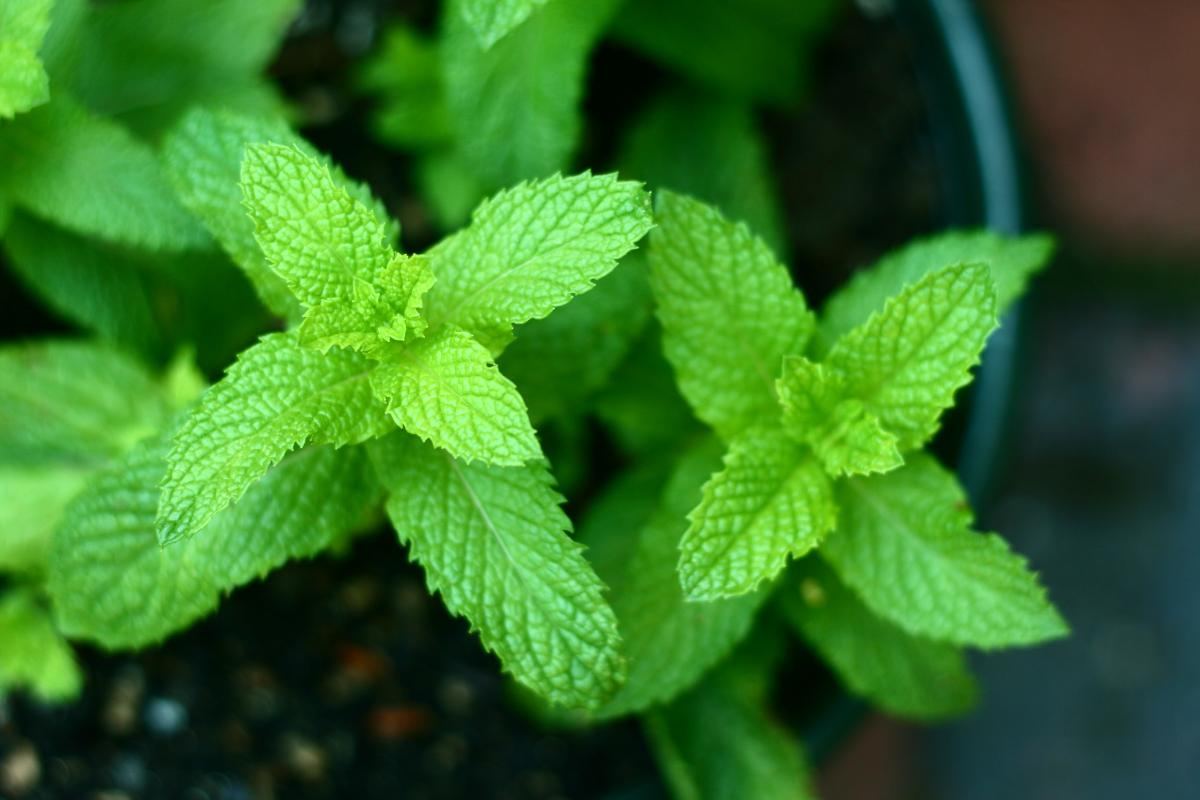
Growing mint is pretty easy, and you can plant it at home, making it a sustainable way to add flavor to your meals.
When buying mint, look for bright leaves without spots. You can store it in a plastic bag in the fridge for up to a week.
You can also dry the mint leaves and use the ground powder as spices and seasoning in dishes or drinks.
-
How to prepare :-

Mint leaves are tender herbs with soft stems. It’s best to add them raw or at the end of cooking. This helps keep the mint flavor in your dishes.
When preparing mint, use a sharp knife and cut it gently. Using a dull knife or chopping too much will cause the mint to lose its flavor.
Mint in diets is most useful as a substitute for salty, sweet, or high-calorie flavors. You can make lemon with mint by mixing lemon juice with sugar and mint leaves, then add water and ice cubes.
Mix mint in fresh fruit sauce with chopped apple, pear, lemon juice, jalapeno, and honey. You can serve it with cinnamon, or over grilled chicken.