Is Oats One Of the whole grains Rich in dietary fiber, especially beta-glucan. Oats also provide many vitamins and minerals, so oats are an ideal food especially forBreakfast meals, And light meals.
Oats are a healthy food, considered a source of unique antioxidant groups that have important health benefits protecting against heart diseases, lowering blood sugar levels, and cholesterol levels.
In this article, we will learn about the calories, nutritional values in oats, and its health benefits.
Calories in oats
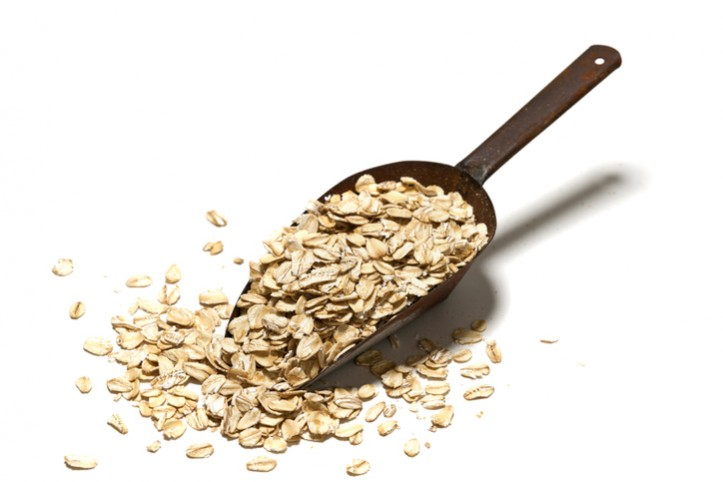
Here are the calories and full nutritional values in 100 grams of oats:-
| Calories | 389 calories |
| Fat | 6.9 g |
| Carbohydrates | 66.2 g |
| Fiber | 10.6 g |
| Sugar | 1 g |
| Protein | 16.9 g |
-
Carbohydrates
A 100g serving of oats provides about 66g of carbohydrates, about 11% of the carbs in oats are fiber, while 85% is starch. Oats have very low sugar levels, with a 100g serving giving only about 1g of sugar.
-
starch
Oats contain three types of starch, which are:
-
Fast-digesting starch: It makes up 7%, this type breaks down fast and is absorbed as glucose.
-
Slowly-digesting starch:- It makes up 22%, this type is broken down and absorbed slowly.
-
Resistant starch: It makes up 25%, this type acts like fiber, not digested, and helps improve gut health by feeding good bacteria.
-
Fiber
Whole oats contain suitable amounts of fiber, where a 100g serving of oats provides about 10.6g of fiber, mostly beta-glucan fibers.
Oats offer more soluble fiber than other whole grains, which slows digestion, increases fullness, and reduces appetite.
-
protein
Oats are a good source of protein of high quality, with a 100g serving providing about 17g of protein, which is higher than most other whole grains.
-
Fat
A 100 g serving of oats provides about 7 g of fat, oats contain fat more than other grains, but luckily most of this fat is from monounsaturated and polyunsaturated types, which are the healthy fats that can help lower the risk of heart disease.
-
Vitamins and minerals
Oats are rich in nutrients, so they provide many minerals, so oats add nutritious extras to your diet, providing copper, magnesium, selenium, manganese, zinc, phosphorus, and iron.
Health benefits of oats
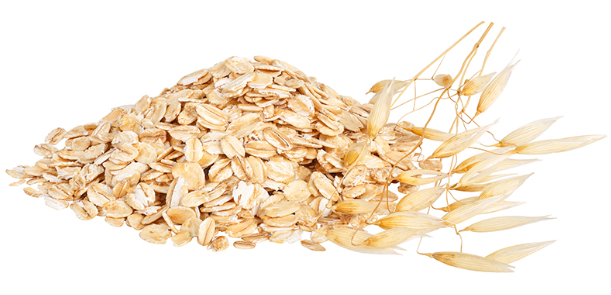
Oats are a good source of many antioxidants so they have several important health benefits, including:
-
Oats help lower cholesterol levels
Studies confirm that oats can lower blood cholesterol levels, which reduces the risk of heart and blood vessel diseases.
Oats' ability to lower blood cholesterol mainly comes from beta-glucan in oats, which slows down the absorption of fats and cholesterol.
Experts say eating foods with at least 3 grams of beta-glucan daily may reduce the risk of heart disease.
-
Oats help control type 2 diabetes
A diet with oats can have positive effects on blood sugar control and fat properties in people with type 2 diabetes.
Management can be controlled of type 2 diabetes through regular exercise, a healthy diet, and weight management. Eating whole grains like oats is linked to helping manage type 2 diabetes.
-
Oats help with weight loss
Feeling full and satisfied plays an important role in energy balance, andweight lossIt stops you from eating without feeling hungry. A study found 38 common foods that make you feel full, oats ranked third and first among breakfast foods.
Studies showed that the fiber in oats boosts fullness and cuts appetite more than ready breakfast cereals. So it helps with weight loss. Oats are nutritious and low in calories.
-
Oats are gluten free
It is considered a gluten free diet The solution for people with digestive disorders and those allergic to gluten.
Oats have been proven to boost the nutrition of gluten free diets, raising intake of minerals and vitamins. Oats might be mixed with wheat, so people with allergies need to eat pure gluten free oats.
Oat allergy
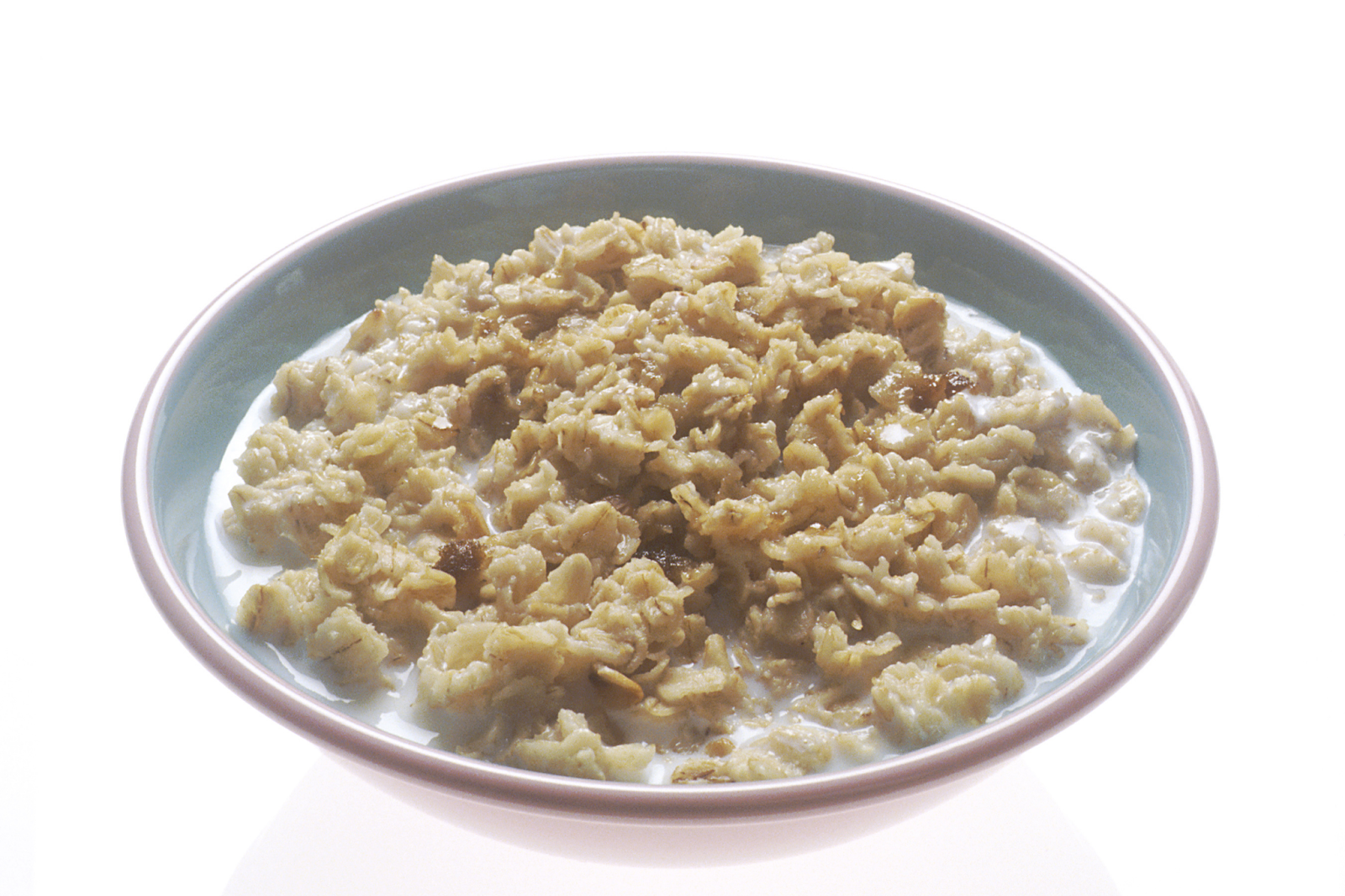
Some people with wheat allergies might also be allergic to oats. Studies found at least 10% of those with wheat allergy also react to oats.
Allergy symptoms can include rash, swelling, itching, trouble swallowing, vomiting, and dizziness. If you get these after eating oats, see a doctor right away.
Storing oats and food safety
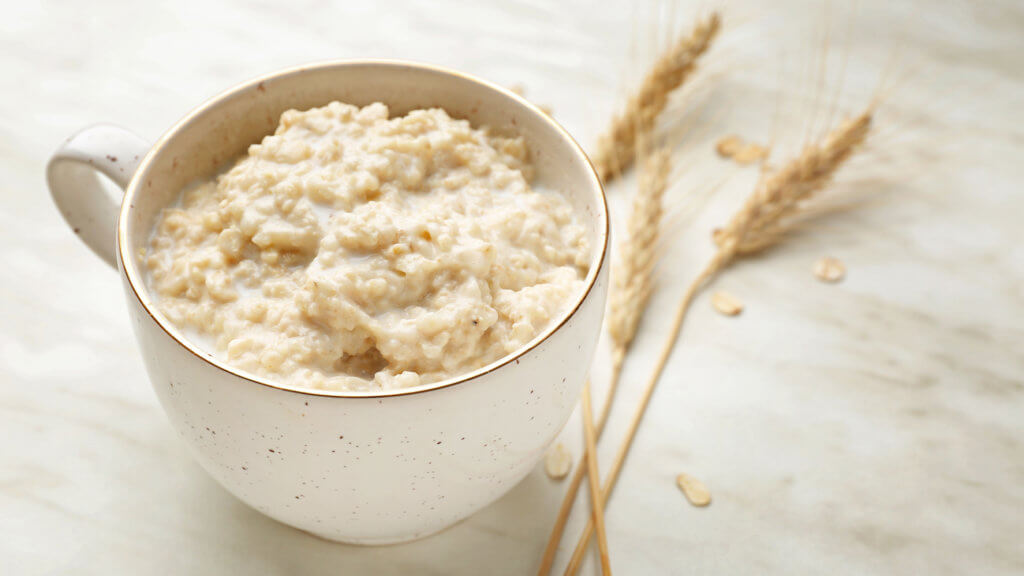
You can use oats in many recipes. Store them in a sealed container in a cool, dry place.
Properly stored oats can last for 3 months.
How to prepare oat recipes
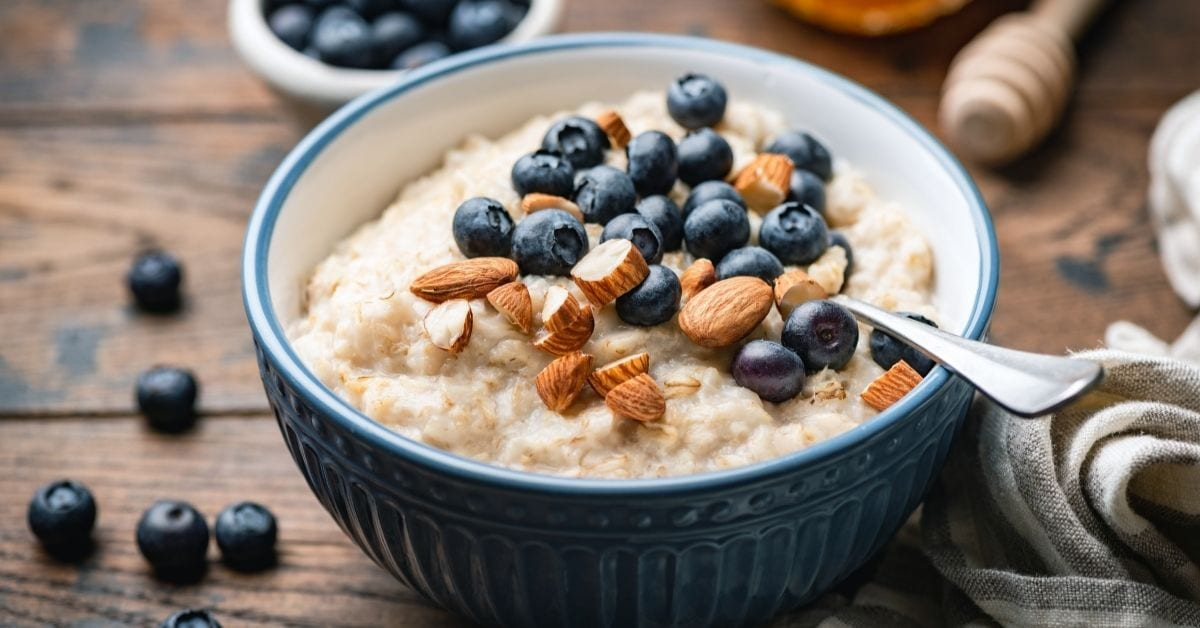
Oats can be used in many different recipes. The most common use is in breakfast meals.
You can use oat flour in baking for cookies, bread, and more. Learn more about Here.