Onion is one of those foods used in most if not all recipes, in kitchens all over the world. So it's grown worldwide because it's very important.
Onion has many health benefits. This is mostly because it has high levels of antioxidants that are proven to help lower cancer risk, reduce blood sugar, and improve bone health.
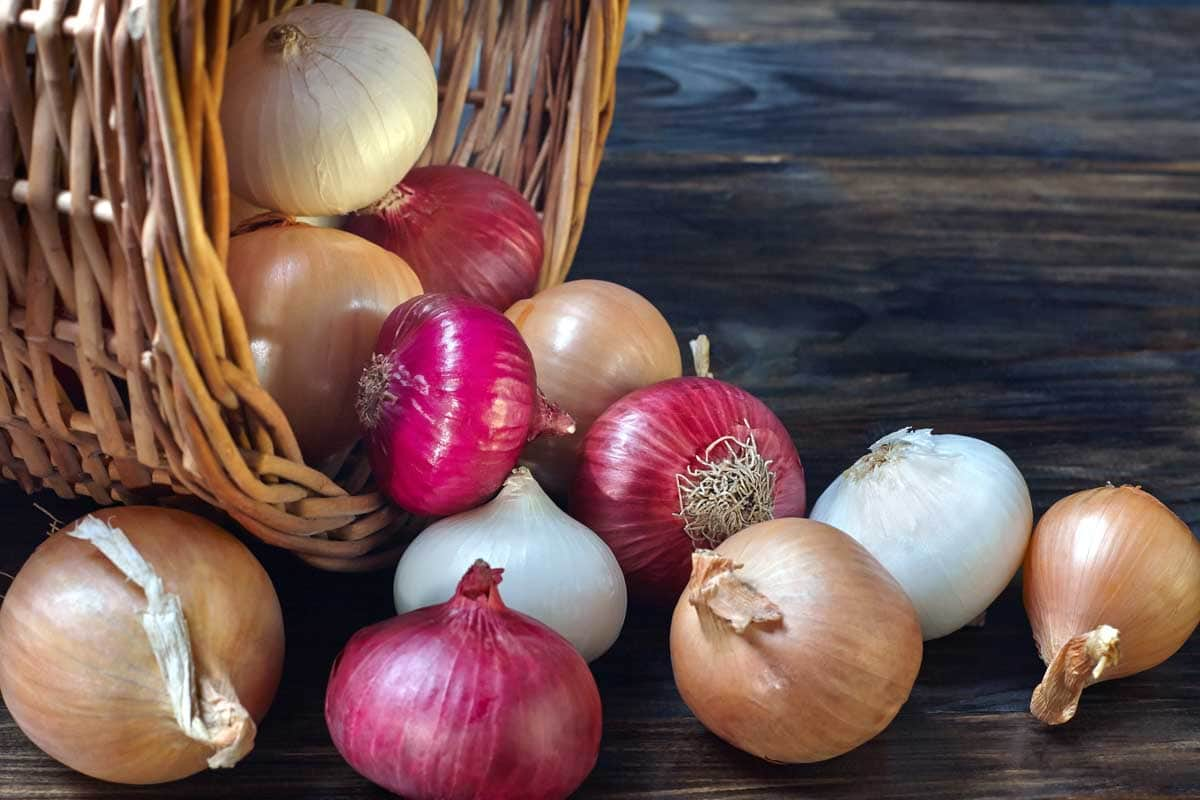
Onions vary in size, shape, and color. The common types are white, yellow, and red. The taste ranges from mild and sweet to sharp and spicy depending on type and growing season.
You can also eat onions before they're fully grown, called green onions. In this article, we'll look at calories in onions and their health benefits.
Calories in onion

Here are the nutrition facts and calories in 100 grams of onion:-
| Calories | 40 calories |
| Water | 89 % |
| Protein | 11 grams |
| Carbohydrates | 9.3 grams |
| Sugar | 4.2 grams |
| fiber | 1.7 grams |
| fat | 0.1 grams |
-
carbohydrates:-
Makes up carbohydrates About 9-10% of raw and cooked onion, with a 100 gram serving of onion containing about 9.3 grams of carbs.
Consist of carbohydrates Onion mostly contains simple sugars like glucose, sucrose, and fructose, also fiber. A 100 gram serving has about 1.7 grams of fiber, the indigestible type that helps digestion and bowel movement.
-
Fiber:-
Onion is a good source of fiber, with fiber making up about 0.9-2.6% of fresh onion weight, depending on onion type.
Onion is very rich infiber Soluble fibers called fructans, and these fructan fibers are considered probiotics that feed the good bacteria in the digestive system, which helps improve colon and digestive health.
-
Protein:-
A 100-gram serving of onion contains about 11 grams of protein, so when onion is added to a good protein source like eggs and mushrooms, it makes a very protein-rich meal.
- Fat:-
A 100 gram serving of onion contains only about 0.1 grams of fat, so onion is considered almost fat-free food fat.
-
Vitamins and minerals:
Onion contains suitable amounts of many vitamins and minerals that are important and have many benefits for the body, which include:
-
Vitamin C:- Vitamin C or ascorbic acid It is a strong antioxidant, also essential for immune function, and keeping hair and skin healthy.
-
Folic acid:- Folic acid It is a water-soluble B vitamin, necessary for cell growth, metabolism, and especially important for pregnant women.
-
Vitamin B6:- It participates Vitamin B6 In forming red blood cells.
-
Potassium:- It can be for potassium effects in lowering blood pressure, and it also has importance for heart health.
-
antioxidants, and sulfur compounds.
The health benefits of onions

The big health benefits of onions come from antioxidants, and compounds that contain sulfur, Here are some important health benefits of onions:-
-
Onions help regulate blood sugar
Many studies have shown that onions can lower blood sugar levels, finding that eating 100 grams of raw onion daily can lead to significant drops in blood sugar.
Studies also show raw onions might help control type 1 and type 2 diabetes.
-
Onions reduce the risk of cancer
Some observational studies linked higher onion intake to lower chances of several cancers, like stomach, breast, colon, and prostate cancer.
-
Onions improve bone health
They are considered Osteoporosis One of the most common problems women face at menopause, so a healthy diet, especially at that age, is a key way to prevent osteoporosis.
Studies found onion protects against bone loss and increases bone mass. Other studies on many women over 50 linked regular onion eating to higher bone density.
-
Onion helps improve brain functions
Onions have fiber called inulin, which is soluble probiotic fiber that feeds good gut bacteria.
Studies found inulin fiber affects mood and brain performance. Eating inulin was linked to better memory recall and short-term recognition, so inulin in onions can help improve brain functions.
-
Onion lowers obesity risks
Studies showed onion has active compounds that help reduce weight and block risks Obesity, so it reduces the risks of diseases that might result from it.
Onion allergy

Onion allergy is rare but it exists. Allergic symptoms often include asthma, skin rash, and runny nose just from handling onions even before eating them.
You might get allergic symptoms from touching or eating onions, either directly, after exposure, or hours later. So if you think you have an onion allergy, talk to a doctor right away for advice.
Storing onions and food safety
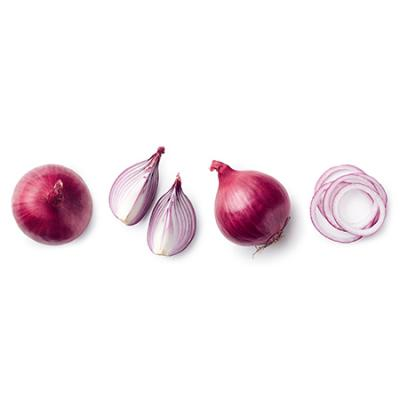
It’s best to use fresh onions within 2-4 weeks of buying. You can store them in a dry, well-ventilated place at room temperature. Wash onions under running water before cutting.
Once you slice the onion, you can keep it in the fridge for up to 7 days. But watch out for any signs of mold on the onion.
You can freeze onion by cutting it into small cubes. The peeled, washed, and chopped onion does not need to be boiled before freezing.
Put the onion cubes in a tightly sealed container. You can also mash the onion into a paste before freezing. The onion will last in the freezer for up to a year.
How to prepare onion in recipes

Onion is used in almost all recipes or at least most of them. Chop the onion into cubes and use it in sauces, stews, and soups. Chopped onion can also add flavor to salads or use onion pieces with sandwiches, wraps, and burgers.
You can also grill or boil onion and use it in side dishes or add it to eggs whether scrambled or omelet. You can serve onion slices with meat, as onion adds seasoning to such dishes.
Article source:- 1.