Some might wonder about the calories in oranges This is because of the wide popularity of these fruits The round citrus fruits are liked by many for their health benefits they might give.
Oranges provide many important nutrients to the body. They give lots of vitamin C, calcium, potassium, and fiber. Also, oranges are easy to get, eat, and store. In this article, we'll learn about the calories in oranges and their health benefits.
-
Nutritional value of orange:-

Here is the nutritional value in a 100 gram serving of orange :-
| Calories | 47 calories |
| Sodium | 0 milligrams |
| Fat | 0.12 grams |
| Carbohydrates | 11.75 grams |
| Fiber | 2.4 grams |
| Sugar | 9.3 grams |
| Protein | 0.94 grams |
-
Carbohydrates :-
A 100 gram serving of orange provides about 11.7 grams of carbohydrates, most of which are carbohydrates in oranges come from simple sugars, and some also come from fiber.
The blood sugar index in oranges is low, at 40, which means it doesn't raise blood sugar quickly.
-
Fat :-
Fresh fruit usually does not contain fat, including of course orange, where 100 grams of orange provides about 0.1 grams of fat only.
-
Protein :-
Orange contains a small amount of protein, where 100 grams of orange provides about 1 gram of protein only, so other sources should be included Protein the other parts of your diet.
-
Vitamins and minerals :-
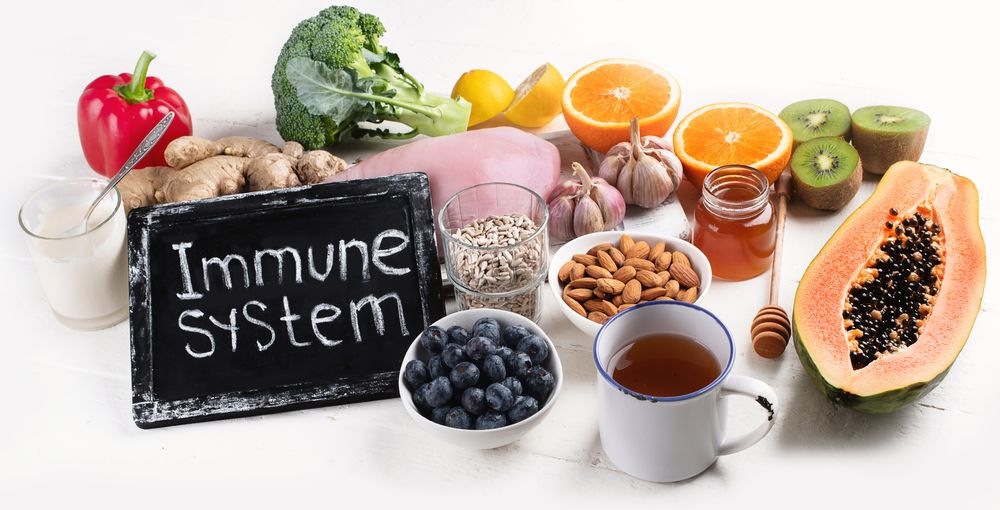
Orange is considered an excellent source of vitamin C, as it contains more than the daily recommended amounts of vitamin C, which are key nutrients for immune functions.
Orange also provides calcium Who doesstrengthen bones, andpotassium, vitamin B1 which is thiamine, vitamin B9 which is folic acid.
-
Calories :-
A 100 gram serving of orange provides about 47 Calorie, 91% from carbohydrates, 7% from protein, and 2% from fats.
-
Health benefits of orange :-

The nutrients in orange provide many health benefits, which include :-
-
Boosting heart health :-
Orange is rich in fiber, as one medium orange provides about 11% of daily fiber, and fiber itself gives many health benefits like helping keep a healthy weight, lowering the risk of heart disease, anddiabetes.
Orange also has plant nutrients that can lower the chance ofheart disease and blood vessel issues.
-
Protects cells from damage :-
Vitamin C in oranges is a strong antioxidant, important for making proteins needed to keep skin looking young.
Vitamin C also plays key roles in protecting cells from damage, fixing cells, and healing wounds.
-
It helps lower blood pressure :-
Orange is a good source of both vitamin C and potassium, and both can help in lowering blood pressure.
-
It helps protect the eyes :-
Orange contains vitamin B1 or thiamine, and studies show adult women who eat lots of thiamine have a lower risk of cataracts.
-
It helps prevent birth defects :-
Folic acid or folate is another B vitamin found in orange, andFolic acid Important for baby's growth and can help prevent neural tube defects.
So it is recommended for pregnant women or those trying to get pregnant to get plenty of folic acid in their diet, or take supplements folic acid.
-
Allergies :-

Citrus fruits, including oranges, usually don’t cause allergic reactions. If they do, symptoms are mild with no irritation or itching.
Severe allergy to oranges is rare, but if you suspect you have one, you should see a doctor for proper diagnosis.
-
Storage and food safety :-

Orange doesn’t ripen much after picking, so keeping whole unpeeled oranges in the fridge can help them last a few weeks instead of just one week outside.
Once peeled, you can keep orange slices in a tightly sealed container in the fridge for up to 3-4 days.
-
How to prepare :-

You can eat orange raw, or add it to salads, sauces, or desserts.
It’s good to start your day with some orange slices and a plate of eggs, or you can chop orange into small pieces and add to yogurt or salad.
Use orange juice to make delicious sauces or pickles that are low in calories.
Orange peel is also edible and actually a good source of many vitamins and minerals like vitamin C and potassium.
The orange pith, the white stringy layer between the peel and the fruit, is also edible and has lots of fiber and vitamin C.
Use plain orange juice without any additives to avoid extra calories while still getting important nutrients.