

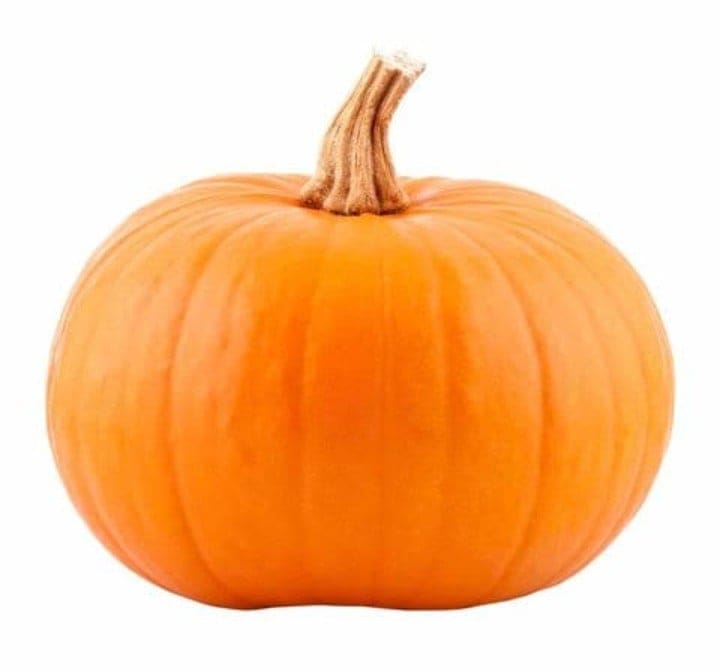
Pumpkin, also known as squash, is the favorite fall ingredient. In fact, pumpkin is one of the starchy vegetables that is very nutritious and low in calories at the same time. It can be used in many savory and sweet dishes alike.
Pumpkins are usually round and orange, though their size, shape, and color can vary a bit depending on the variety. They all have a thick ribbed outer shell, In this article, we will learn about the nutritional values and health benefits of pumpkin.
-
Nutritional values of pumpkin:

Here are the nutritional values for a 100 gram serving of pumpkin:
| Calories | 46 calories |
| Fat | 1.75 grams |
| Carbohydrates | 7.94 grams |
| Protein | 1.08 grams |
| Sodium | 166 mg |
| Fiber | 2.8 g |
| Sugar | 3.22 g |
-
Carbohydrates :-
A 100 g serving of pumpkin provides about 8 grams of Carbohydrates, consist of 2.8 grams of fiber, 3.2 grams of natural sugar, and the rest is starch.
Carbs in squash have a small effect on blood sugar, even though squash contains glycemic index which is high at 74, its glycemic load is only 6.4, making it a good choice for diabetics.
-
Fats :-
Fresh pumpkin barely has any fat, with 100 grams having about 1.7 grams of fat. But some canned pumpkin brands and many pumpkin-flavored foods contain added fats, like pumpkin pie.
-
Protein :-
Pumpkin isn’t a rich protein source. A 100 gram serving has about 1 gram of protein. So it's better to add fresh pumpkin to protein-rich meals or smoothies. Pumpkin gives a great balance in high-protein diets.
-
Vitamins and minerals :-
Pumpkin is rich in beta-carotene compounds, which give it the bright orange or yellow color. Beta-carotene is converted in the body to vitamin A, which helps support normal vision and immune functions.
Pumpkin is an excellent source of vitamin C, potassium, and phosphorus. It’s also a good source of vitamin E, copper, and manganese. Plus, the small amounts of iron, magnesium, and folic acid it provides can be useful too.
-
Health benefits of pumpkin :-
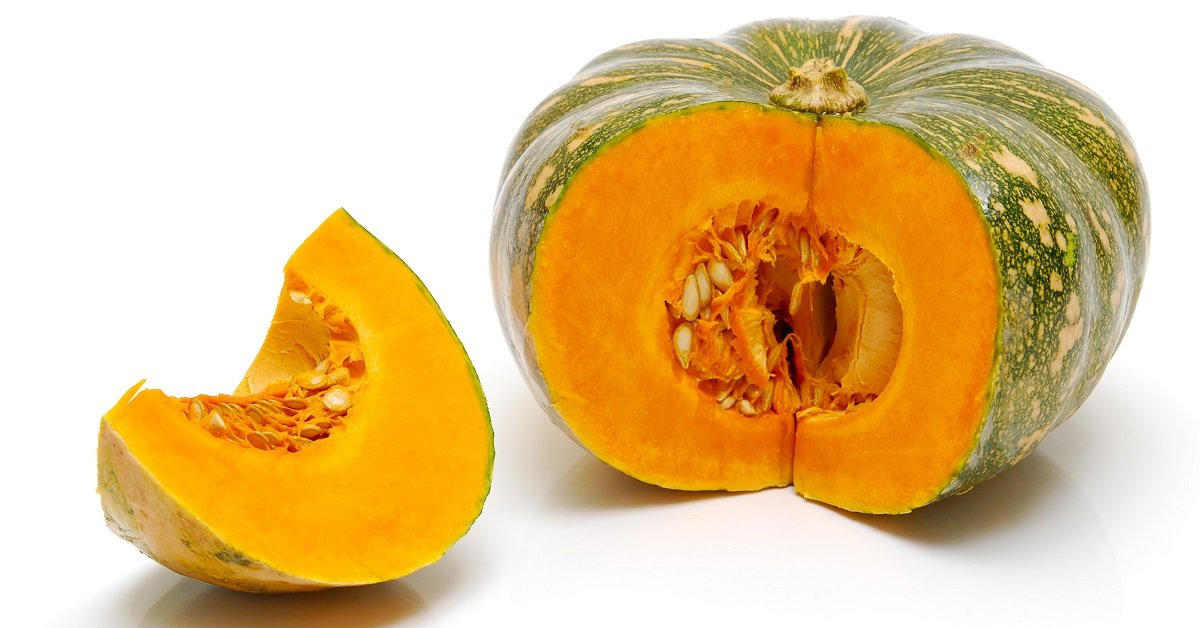
Pumpkin is a nutritious food that fits well with many other foods, diets, and eating plans. Because it has many important nutrients, pumpkin may offer these health benefits:-
-
Reduces the risk of chronic diseases:
Pumpkin is top on the list researchers made for foods linked closely to lower risk of chronic diseases. It has high levels of key nutrients like vitamin C, riboflavin, niacin, folate, and more.
-
Reduces death from all causes:
Beta carotene is an important antioxidant you get in healthy amounts by eating pumpkin. Antioxidants help fix oxidative stress and protect against diseases like Alzheimer's, high blood pressure, heart disease, and rheumatoid arthritis.
Some studies also noticed a link between eating more beta carotene and a clear drop in death risk from all causes.
-
Prevents age-related vision loss:
Beta carotene in pumpkin turns into vitamin A in the body. Vitamin A plays key roles in protecting vision, especially as you age. Studies show foods with beta carotene might help prevent age-related macular degeneration.
-
Supports skin health:
Squash is a good source of vitamin C. Vitamin C is known to be essential for collagen production. Collagen is the main protein in the skin. It also provides antioxidant protection against sun damage from UV rays.
-
It lowers lung cancer risks:-
The National Institutes (NIH) reported that consuming higher levels of beta carotene may reduce the risk of lung and prostate cancer.
-
Allergy :-
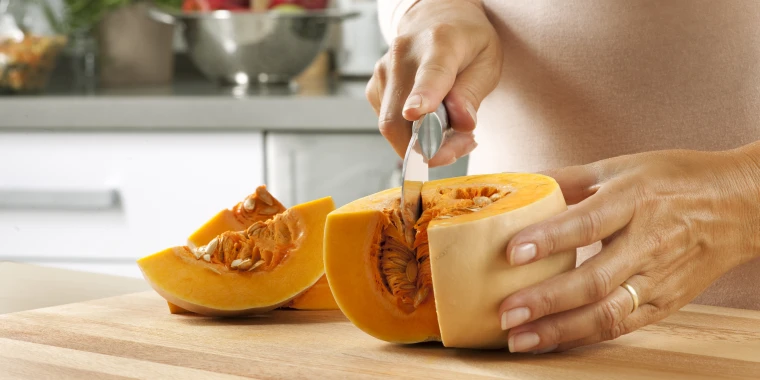
Although squash allergy is rare, some people could be allergic to the proteins it contains. Others may be allergic to squash seeds. Though rare, you should watch for allergy symptoms. If you notice any, see a doctor right away for accurate diagnosis.
-
Varieties :-

There are different types of squash that can be used for cooking, but some are better than others. The big squash you see decorating stores at Halloween is best used for decoration, not cooking. The small honey squash is best for cooking.
There is also canned squash, which is widely available. But it may have many added things like sugar, spices, and fats that affect its nutritional value a lot.
-
Storage and food safety :-
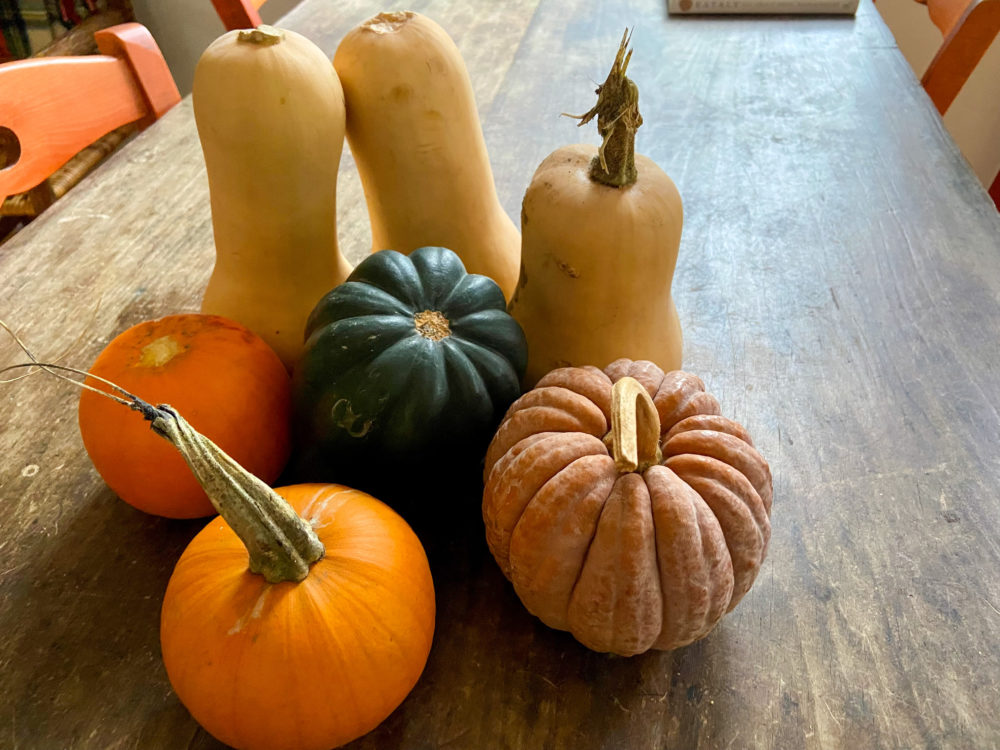
You can usually store fresh whole squash for 30 to 90 days if kept in a cool dry place. Wash the squash outside and dry it well before storing. Many people store squash on a dry wooden board or piece of cardboard to prevent rotting.
You can store raw cut squash in the fridge to use within a week or freeze it generally. It's best to cook the squash in the oven or microwave before freezing. Take out the squash flesh and cook it until soft, then put it in airtight bags in the freezer for up to a year.
-
How to prepare :-

To cook squash, remove the stem and cut it open with a knife. Then remove the seeds, which you can keep, roast, and eat. Cut the squash flesh as you like and rinse it well under water.
To boil or steam squash, put the pieces in a large pot with a few liters of water. Usually cook for 20-30 minutes until soft.
To roast squash, cut the pumpkin in half and put the halves on a baking sheet skin side up and flesh side down. Bake at 220 degrees for about an hour or until you can pierce the flesh with a fork and it’s soft.


