Pasta is one of the main dishes loved by both adults and kids. It's affordable, lasts long, and you can make it in many ways.
Also, pasta fits most diets, including special ones like vegan or heart-healthy diets.
Spaghetti is one of the most common pasta types used worldwide. Most spaghetti is made from wheat, so it's high in complex carbs.
This article will cover the calories in spaghetti, its health benefits, and how to store and cook it.
Calories in spaghetti pasta

Here are the calories and full nutrition facts for 100 grams of cooked spaghetti without salt:-
| Calories | 159 calories |
| Fat | 0.93 grams |
| Sodium | 1 milligram |
| Carbohydrates | 30.86 grams |
| Fiber | 1.8 grams |
| Sugar | 0.56 grams |
| Protein | 5.8 grams |
-
Carbohydrates
Whole grain spaghetti is considered a good source of Carbohydrates, where 100 grams of cooked spaghetti pasta provide about 31 grams of carbohydrates of the complex carbohydrate type, so it might not fit low-carb diets low in carbohydrates.
Also, the same serving of spaghetti provides about 2 grams of fiber and about ½ a gram of sugar, totaling Glycemic Index is about 45, so it has a minor effect on blood sugar.
-
Fat
Spaghetti pasta itself is considered a low Fat, as a 100 gram serving of cooked spaghetti pasta has less than 1 gram of fat, with little saturated fat, but different sauces and toppings like cheese added to pasta can quickly raise the fat in the dish.
-
Protein
A 100 gram serving of cooked spaghetti provides about 6 grams of protein, but some brands may make pasta with more protein.
-
Vitamins and minerals
Spaghetti can provide some vitamins and minerals The task, including Vitamin B6 andFolate andThiamine andIron andmagnesium.
-
calories
A 100 gram serving of cooked pasta provides about 158 calories, coming as 80% carbs, 15% protein, and 5% fat.
Health benefits of spaghetti pasta

Spaghetti pasta is especially the ones made from Whole grains, a good source of energy, fiber, and nutrients, giving many important health benefits, These benefits can include the following:-
1. Spaghetti pasta is a good source of carbohydrates
Most people, especially active ones, need enough energy by including carbs in their diets. You can do this by adding whole wheat spaghetti, which offers healthy carbs, the complex kind.
2. Spaghetti pasta is a good source of fiber
Whole wheat spaghetti usually has more fiber compared to regular pasta. Fiber is important for digestive health.
Also, if you have gluten sensitivity and can’t eat whole wheat pasta, you can try pasta made from Chickpeas or brown rice to get the fiber benefits.
3. Spaghetti pasta is fortified with key nutrients
One of the main things about pasta is that it’s cheap, easy to find, lasts long, and is versatile. This makes it easy to fortify with important nutrients so most people get them.
So, dry pasta you buy usually has added iron, riboflavin, thiamine, and folic acid, giving your body these key nutrients.
4. Spaghetti pasta improves heart health
Whole grain spaghetti is a great food for heart health because it has lots of fiber. Getting enough fiber helps keep your weight stable and controls cholesterol levels andblood sugar.
All these factors improve heart health and lower the risk of heart diseases. Studies show people who eat more whole grains have less risk of heart and blood vessel diseases.
5. Spaghetti lowers the risk of some cancers
People who eat more whole grains have a lower chance of getting some types of cancer, like colon, rectal, pancreatic, and stomach cancers.
Also, studies found that people who eat more whole grains have fewer deaths from cancer overall. Whole grain spaghetti helps increase how much whole grains a person eats.
Allergy to spaghetti pasta

is gluten one of the main causes of food allergies for both adults and kids. So, spaghetti made from whole wheat, which has gluten, affects those withgluten allergy.
Also, there are people who suffer from celiac disease or wheat allergy, they should avoid pasta made from whole wheat tooGluten-free.
Symptoms of celiac disease include bloating, gas, diarrhea, stomach pain, nausea, and vomiting. Some people with celiac disease also get rashes or migraines from eating wheat.
Storing spaghetti and food safety

Dry pasta can be kept on the shelf and stored a long time in sealed containers. Cooked spaghetti should be kept in a sealed container in the fridge and eaten within two to three days.
How to prepare spaghetti in recipes

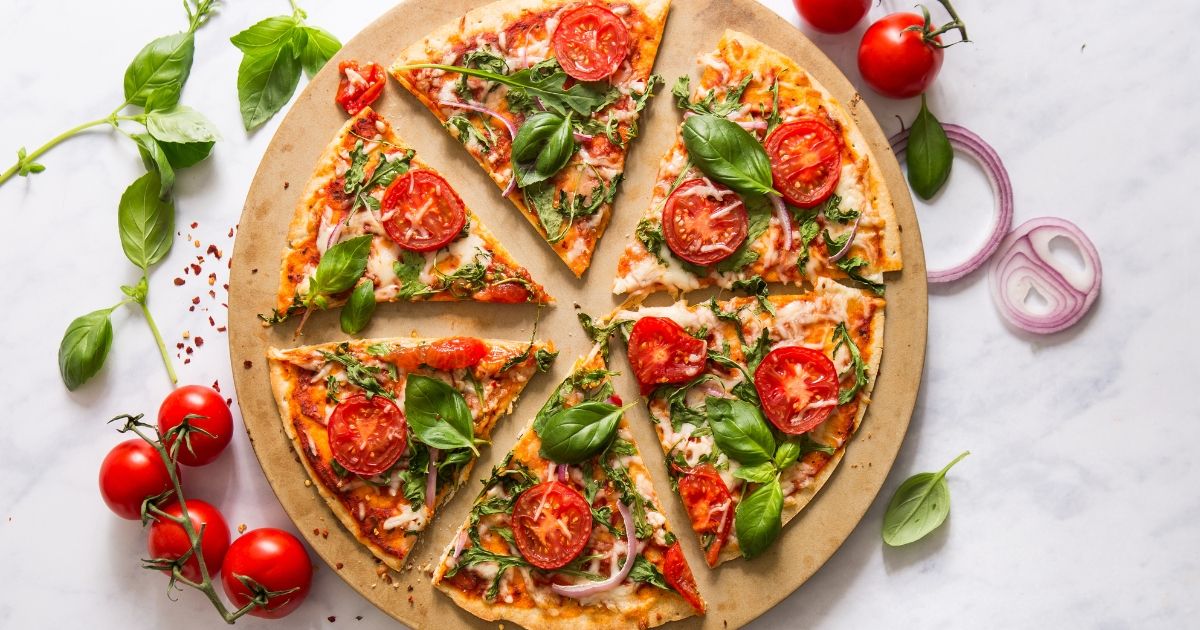
Spaghetti is a versatile food that can be part of many diets including vegan diets. You can boil the pasta and add lots of different toppings like tomato sauce, cream sauce, and cheese different types, meat, chicken, and lots of vegetables including basil andSpinach andmushrooms.
If you are on a low-salt diet, you should add lots more veggies to your pasta to boost flavor and bulk without extra calories. Also, serve spaghetti with a green salad.