Spinach is one of the food items belonging to the family of leafy vegetables, spinach is a fiber-rich food that can add volume, color, and texture to your favorite recipes, whether the spinach is cooked or raw.
These leafy vegetables offer high nutritional value to your diet without adding any fat or sugar, so spinach is very useful if you are trying to follow a low-fat and low-sugar diet, In this article, we will explore the high nutritional value of spinach and its various health benefits.
-
Nutritional value of spinach:
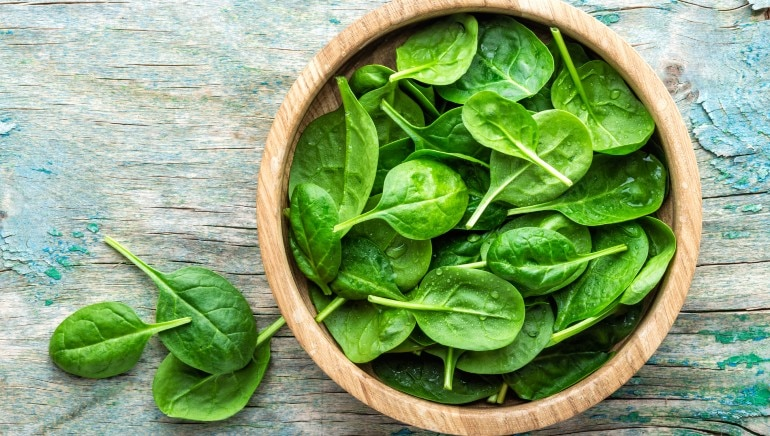
Here is the nutritional value in 100 grams of spinach:
| Calories | 23 Calories |
| Fat | 0.3 grams |
| Sodium | 70 milligrams |
| Carbohydrates | 3.8 grams |
| Fiber | 2.4 grams |
| Sugar | 0.4 grams |
| Protein | 3 grams |
-
Carbohydrates :-
Most come Carbohydrates found in spinach come from fiber, where a 100g serving of spinach provides 3.8 grams of carbs, including 2.4 grams of fiber. This high fiber amount makes spinach very filling among vegetables.
Along with other leafy greens, spinach can be seen as a free food in a low-carb diet because it gives fiber but is low in calories.
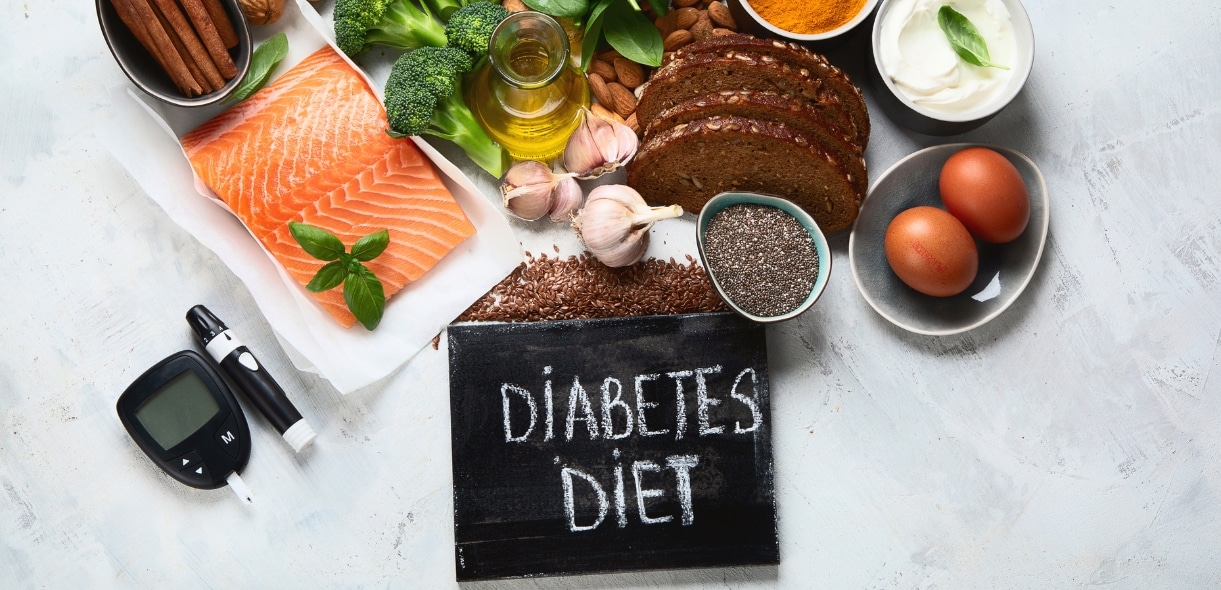
On a glycemic index Spinach is almost zero, which means it has little effect on blood sugar levels, making it an ideal food especially for those who suffer from Diabetes.
-
Fats :-
100 grams of spinach provides 0.3 grams of fat, so spinach has almost no fat or cholesterol, but adding a little fat to your meal with spinach may help your body absorb more beta-carotene, especially if the spinach is raw or steamed into a puree.
-
Protein:-
100 grams of spinach provides 3 grams of proteinSo spinach is a good plant-based source of protein.
-
Vitamins and minerals :-
Spinach provides many vitamins and minerals They vary, as three cups of fresh spinach give you more than three times your daily vitamin K needs. You can also get about 25% of the recommended vitamin C and 10% of the potassium you should have.
Cooking spinach boosts vitamin A concentration. Half a cup of cooked spinach gives you 64% of the daily recommended amount.
-
Calories :-
100 grams of spinach provides 23 Calorie, which is less than 7 calories per cup of spinach, making it a low-calorie food suitable for weight loss goals.
-
Health benefits in spinach :-
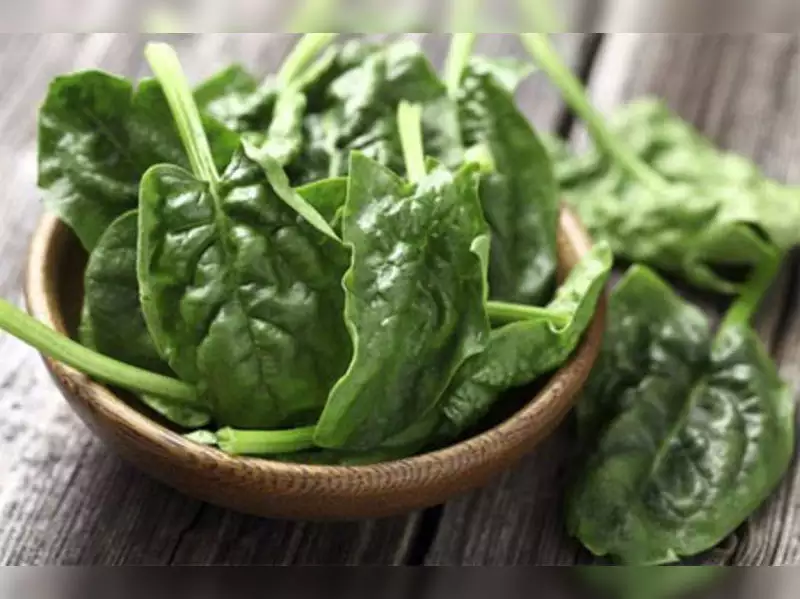
Like most dark leafy greens, spinach has nutrients that offer many health benefits. This makes spinach good if you’re trying to watch your carb intake or boost your health, Here are some health benefits spinach provides:-
-
Weight management boost:-
Eating spinach and other leafy greens is strongly linked to a lower risk of gaining weight. Some studies suggest that eating four servings of vegetables daily, instead of two, might cut the risk of weight gain by up to 82%.
-
Lower cancer risk :-
Besides having vitamins, minerals, and fiber, spinach also contains chlorophyll, which gives it the green color. Chlorophyll has strong antioxidant effects and is thought to offer promising cancer-prevention benefits.
-
Protects eye health :-
The combo of vitamins A and C in spinach helps prevent age-related macular degeneration, a common issue in older adults.
Vitamin A is fat-soluble, so cooking spinach with healthy fats like olive oil or eating it with fat-containing foods like eggs boosts vitamin A absorption.
-
Prevents hair loss :-
Spinach is a great non-animal source of iron. Iron deficiency is a common cause of hair loss in women. Eating enough iron-rich foods like spinach can prevent this. For vegetarians, spinach is a vital source of this mineral.
-
Boosts blood function :-
The iron in spinach is essential in preventing anemia. Spinach helps blood carry oxygen properly by supporting hemoglobin production. Plus, vitamin C in spinach helps the body absorb iron better.
Besides giving spinach iron and vitamin C, spinach also has high amounts of vitamin K, which helps blood clot to reduce heavy bleeding after injuries.
-
Allergy :-

Allergic reactions to spinach are rare but possible. They include common food allergy symptoms like swelling, vomiting, watery eyes, sneezing, and trouble breathing. If you suspect you have a spinach allergy you should see a doctor right away.
-
Varieties :-

There are three main types of spinach: salty leaves, curly, and plain leaves. Each type has several different kinds based on size and shape.
Different types of spinach fit different climates, so fresh spinach is available all year. You can also buy frozen or canned spinach any time of the year.
-
Storage and Food Safety :-
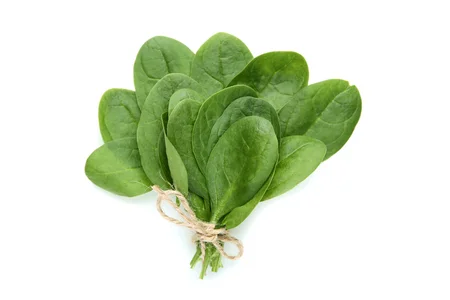
Like most leafy veggies spinach leaves should be crisp, soft, and green. Avoid wilted or damaged leaves. Throw away any brown or yellow leaves. Buy spinach as fresh as possible. The fresher it is, the more nutritious. You'll know spinach is bad when it wilts or smells bad.
It's always good to wash fresh spinach before eating or cooking. You should use fresh spinach right away within about 3 days. You can also freeze fresh spinach.
To freeze spinach, boil it in water for one minute, then put it in an ice bath to cool. After that, squeeze out as much water as possible from the spinach. Shape it into balls the size you can cook at once. Then store them in a ziplock bag. You can keep boiled spinach in the freezer for 8 to 12 months.
-
How to prepare :-

Rinse spinach with water to remove all grain traces from the leaves. Spinach works well with moist cooking methods like steaming and boiling.
You can use raw spinach as a green salad or in juices. You can also use it instead of bread when making sandwiches, or add it to scrambled eggs. You can also chop it up and put it in soup for a meal full of fiber.