Sweet pepper is a vegetable from the nightshade family. You can eat it raw or cooked, and it can also be dried. These veggies are low in calories and rich in many important nutrients like vitamin C.
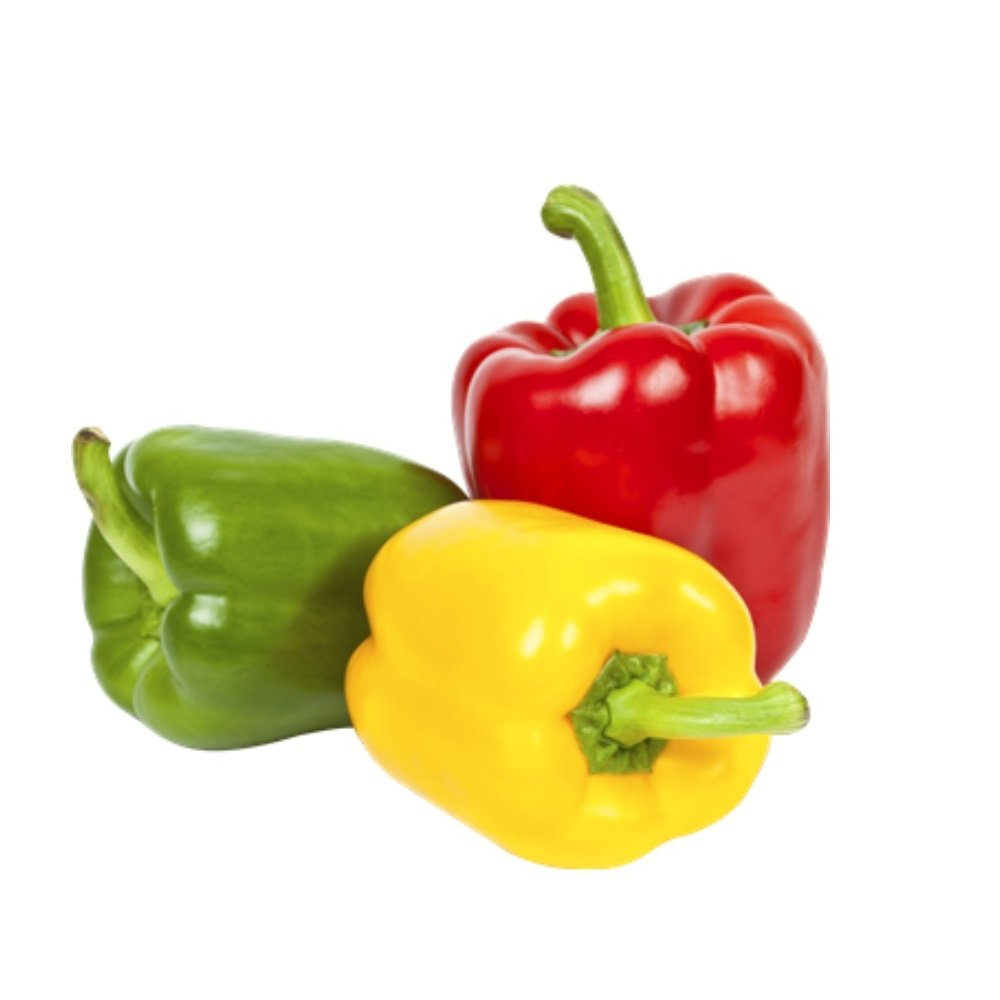
Sweet peppers come in several colors like yellow, red, green, and orange. In this article, we'll look at the calories in sweet peppers and their many health benefits.
-
Nutritional value of sweet peppers:

Fresh sweet peppers are mostly water, about 92%, with the rest being carbs and small amounts of protein and fat.
Here is the nutrition in 100 gm of red sweet pepper:
| Calories | 28 calories |
| Sodium | 2 milligrams |
| Fat | 0.2 grams |
| Carbohydrates | 6.7 grams |
| Fiber | 1.2 grams |
| sugar | 4.4 grams |
| protein | 0.9 grams |
-
Carbs :-
Considered carbohydrates The main component of sweet pepper makes up most of its calories, providing about 6.7 grams of carbs per 100 grams of sweet pepper.
The carbs in sweet pepper come from natural sugars, roughly 4.4 grams in 100 grams of sweet pepper, like glucose and fructose. These mostly cause its sweet taste.
Besides sugar, carbs also include fiber. Sweet pepper has small amounts of fiber, about 1.2 grams per 100 grams serving.
-
Fats :-
Sweet pepper contains low amounts of fat, with around 0.2 grams per 100 grams. Most of this fat is healthy polyunsaturated fat.
-
Protein :-
Bell peppers have small amounts of protein, as 100 grams of bell peppers provide about just 1 gram of protein, so to have a balanced diet, you should add other foods rich in protein, like meat fish and dairy products spinach andlegumes.
-
Vitamins and minerals :-
Sweet pepper contains many vitamins and minerals that are important, which include :-
-
Vitamin C :- One medium-sized red pepper contains 169% of the recommended daily amount of Vitamin C, making it one of the richest sources of these essential nutrients.
-
Vitamin B6 :- Vitamin B6 is an important nutrient for making red blood cells.
-
Vitamin K1 :- Vitamin K1 is a form of vitamin K that is important for blood clotting and bone health.
-
Potassium :- Potassium It's a mineral especially important for heart health.
-
Folic acid:- Folic acid or folates Have a variety of roles in the body, and getting enough folates is essential during pregnancy.
-
Vitamin E :- Is considered Vitamin E A strong antioxidant and also vital for nerve and muscle health.
-
Vitamin A Red pepper has a high amount of Vitamin A in the form of beta-carotene, which is turned into Vitamin A inside the body.
-
Health benefits of sweet pepper:
Sweet pepper is a nutritious and healthy food that has been linked to lowering the risk of many chronic diseases, like cancer and heart disease, Here are some health benefits of sweet pepper:
-
Prevention of anemia:
Anemia or iron deficiency It's a common condition where the blood's ability to carry oxygen to cells drops, and iron deficiency is iron one of the most common causes of this condition, and its main symptoms are weakness and fatigue.
Bell peppers aren’t a good source of iron, but they are an excellent source of vitamin C, which helps boost iron absorption in the gut. Iron absorption increases notably when eating fruits or veggies rich in vitamin C.
So eating raw bell pepper alongside other iron-rich foods like meat and spinach can help raise the body's iron levels, which then lowers the risk of anemia.
-
Eye health improvement :-
The most common eye problems are macular degeneration and cataracts. Their main cause is aging or inflammation, but nutrition might also play a key role in developing these diseases.
Bell peppers have a high amount of carotenoids, which turn into vitamin A in the body. Vitamin A helps improve eye issues and protects the retina from oxidative damage.
-
Reducing the risk of cancer:
Many studies confirm a strong link between eating foods rich in carotenoids, like bell peppers, and lowering the risk of various cancers.
-
Improving heart health:
Bell peppers help lower heart and blood vessel diseases through their strong antioxidant effects. These antioxidants reduce free radical damage that harms cells and leads to chronic illnesses like cancer, heart diseases, diabetes, and arthritis.
-
Allergy:
Bell peppers are generally healthy and well tolerated, but some people might be allergic to them. Though rare, people allergic to pollen might also react to bell peppers.
So if you suspect you're allergic to bell peppers, see a doctor for a proper diagnosis.
-
Storage and food safety:

You can eat bell pepper raw with the seeds, though most people remove them. You can keep bell peppers in the fridge vegetable drawer for up to a week.
You can also freeze bell peppers, either whole or cut, in an airtight container for up to 6 months.
-
Preparation method :-
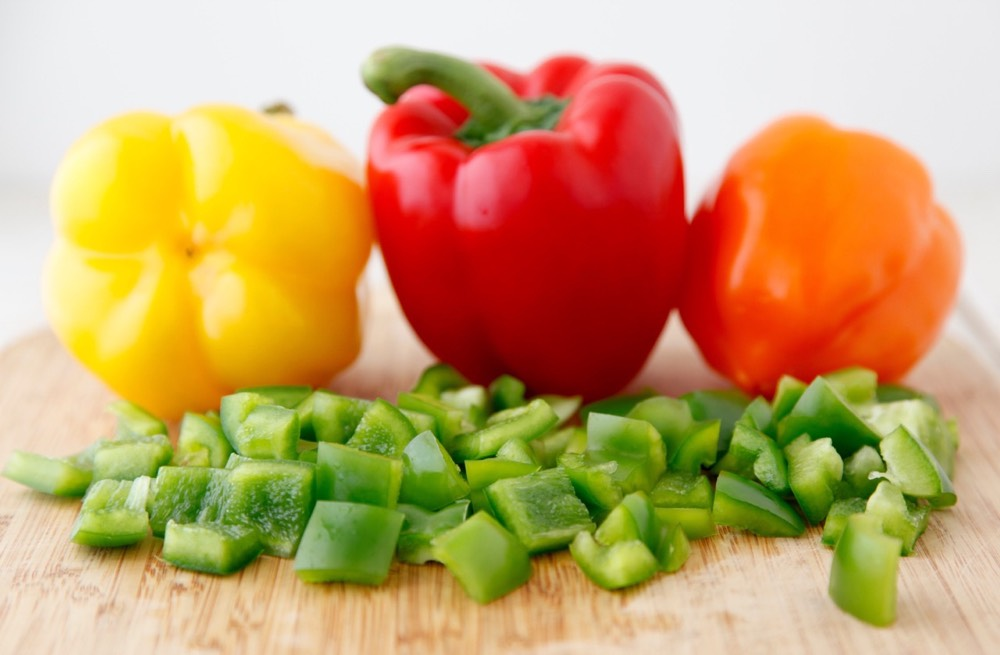
Bell peppers can be eaten raw as a light snack, or sliced and added to many dishes like eggs, salads, and sandwiches.
You can stuff bell peppers with rice or ground meat. You can eat them grilled, fried, or mashed, and also include them in stews, sauces, and spices.