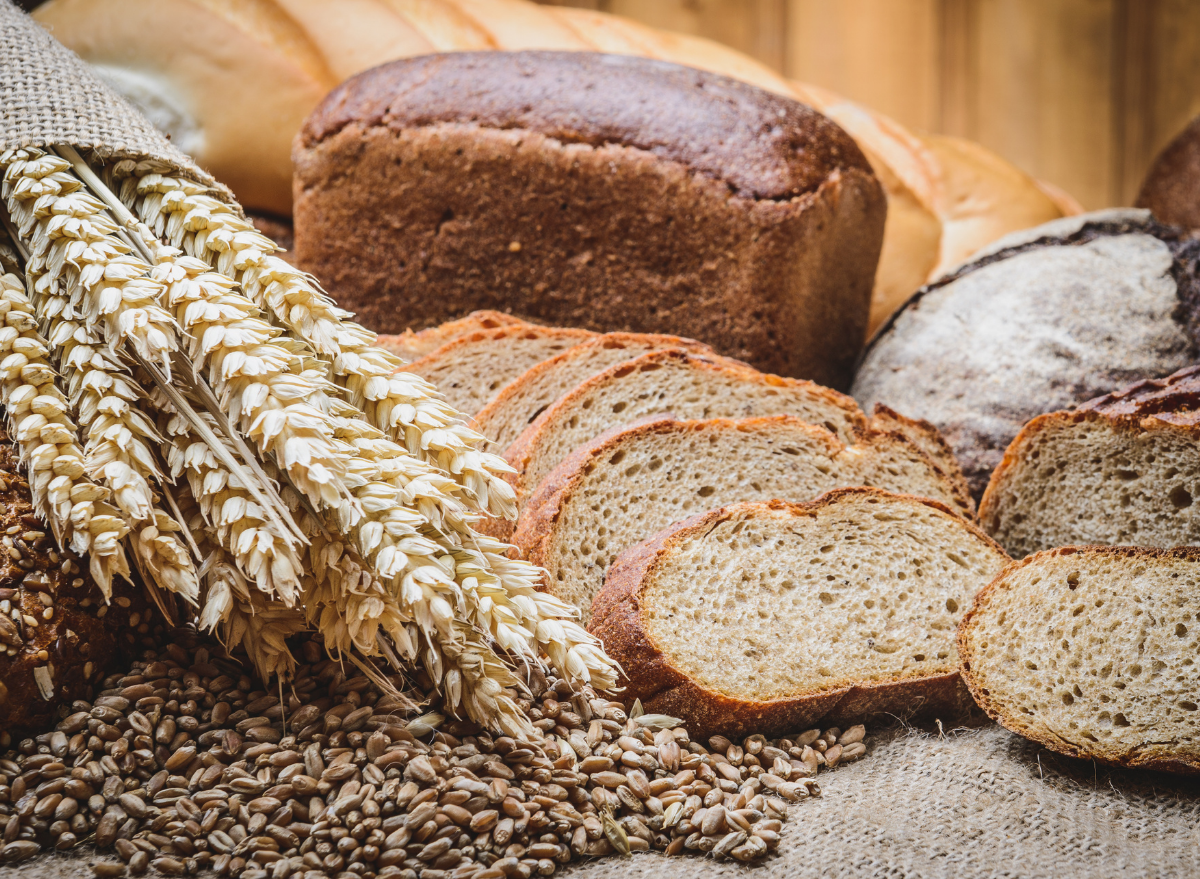
Whole wheat bread is one of the important foods that has gained a good reputation lately, especially with the spread of many diet plans, carbohydrates andgluten-free diets.
But does whole wheat bread fit with diets that target weight loss, or does whole wheat bread help in Weight gain, to answer these questions, we need to know the number of calories in whole wheat bread.
Although nutritional values differ from brand to brand and recipe to recipe, adding whole wheat bread to your diet is an important healthy addition, In this article, we will learn about the calories and health benefits of whole wheat bread.
Does whole wheat bread cause weight gain?

Different food organizations recommend the importance of eating Whole grains, and of course whole wheat bread is part of that group, as it’s made from flour that has the whole wheat kernel, including the bran and germ. This means whole wheat bread has most of the important nutrients, like fiber, vitamin B, iron, folic acid, potassium, and magnesium.
Eating bread in general is linked toweight gain But does this mean whole wheat bread also causes weight gain? Whole wheat bread is one of the types that actually helps with weight management and weight loss goals. This is because whole grains in general, including whole wheat bread, have lots of fiber that helps you feel full, improves digestion, metabolism, bowel movements, and supports good gut bacteria. All these help with losing weight.
But of course eating too much calories leads to weight gain, and whole wheat bread is no exception. Eating too much whole wheat bread will eventually cause weight gain.
Calories in whole wheat bread
Here are the calories and full nutrition facts in 100g of whole wheat bread:-
| Calories | 253 calories |
| Fat | 3.5 g |
| Carbohydrates | 43 g |
| Fiber | 6 g |
| Sugar | 4.3 g |
| Protein | 12 g |
| Sodium | 455 mg |
-
Carbohydrates
Whole wheat bread is full ofcomplex carbohydrates, which are the good kind of carbohydrates, which keep you full for longer. A 100 gm serving of whole wheat bread provides about 43 gm of carbs, including about 6 gm of fiber.
-
fats
A 100g serving of whole wheat bread provides about 3g of fat, fat content may increase when adding more fat or oils during bread making.
-
protein
Whole wheat bread isn’t just a good source of complex carbs, it’s also rich inprotein Surprisingly plant-based, a 100g serving of whole wheat bread gives about 12g of protein.
-
Vitamins and minerals
It can vary Vitamins and minerals in whole wheat bread widely, but it depends on what the maker adds by enriching the bread, as most whole wheat bread contains amounts of iron, andpotassium, andVitamin B, riboflavin, niacin, andfolate, and if the recipe has salt, then whole wheat bread contains sodium too.
Health benefits of whole wheat bread

Since whole wheat bread contains many vitamins and minerals, it offers many important health benefits, including:-
-
Whole wheat bread helps digestion
Whole grain foods, including whole wheat bread, provide large amounts of fiber, and fiber is an important nutrient that helps improve digestive health, it helps regulate bowel movements by increasing the growth of good gut bacteria, which helps improve digestion and boost Colon health, and strengthening the immune system.
-
Whole wheat bread boosts heart health
Many studies have shown that eating whole grains is linked to better heart health and lower risk of various heart diseases.
Nutrition experts recommend whole grains, including whole wheat bread, because a study in the British Medical Journal found that eating more whole grains was linked to lower risk ofHeart diseases, blood vessels, and coronary heart diseases.
-
Whole wheat bread reduces the risk of getting diabetes
Because of many unhealthy eating habits that are common these days, a lot of people are at risk oftype 2 diabetes, but research has good news for them as it confirmed research that eating large amounts of whole grain foods is linked to a lower risk of type 2 diabetes.
Whole wheat bread is one of the most important foods with whole grains, so it's good to include it in a healthy diet to lower the risk of type 2 diabetes.
-
Whole wheat bread reduces the risk of strokes
Linked Studies also linked whole grain intake to lower stroke risks. Studies showed death rates from different causes drop with more whole grains in diets.
-
Whole wheat bread helps with weight loss
Even though bread has a reputation for adding fat and weight, whole wheat bread is actually the opposite.
Many have found Studies Whole wheat bread doesn't cause weight gain and can help with weight management. Of course, you need a calorie-controlled plan aimed at losing weight, with whole wheat bread as part of it. Eating a lot of calories without counting will lead to weight gain no matter what you eat.
Allergy to whole wheat bread
People with a wheat allergy might react to whole wheat bread. They can swap it for other whole grain breads like oat bread.
Allergy symptoms include trouble breathing, difficulty swallowing, skin redness, mouth sores, and others. If you notice any of these, see a doctor immediately.
How to store whole wheat bread
You can keep whole wheat bread on your kitchen counter or in a bread box so it's easy to get at room temperature.
Whole wheat bread can last anywhere from four days to a week anywhere, but it’s often better to keep it in the fridge, especially homemade whole wheat bread.
Whole wheat bread can be kept in the freezer, where it stays good and fresh for up to three months, and it remains safe to eat after that, though the freshness does go down.
Some mold spots may show on the bread, don't try to cut those parts out and eat the rest. It's better to throw out moldy bread because the mold roots can easily go deeper than what you can see, especially in soft foods like bread.
How to use whole wheat bread in recipes
Whole wheat bread can be a great addition to your diet, as it gives you amounts of vitamins and minerals mentioned earlier.
Whole wheat bread can give you a healthy meal when you use it to make sandwiches with meats and veggies, jams and different cheeses, or avocado and egg toast. You can also toast it for a fiber-rich meal alongside Chicken dishes.