Zucchini is a common vegetable that is easy to find in markets worldwide. This unique vegetable has many micronutrients that help the body do different vital processes, like vitamin C and vitamin B6. Plus, it is very low in calories, making it a great addition to your diet. In this article, we will learn about the nutritional value of zucchini and its important health benefits.
-
Nutritional value of zucchini :-
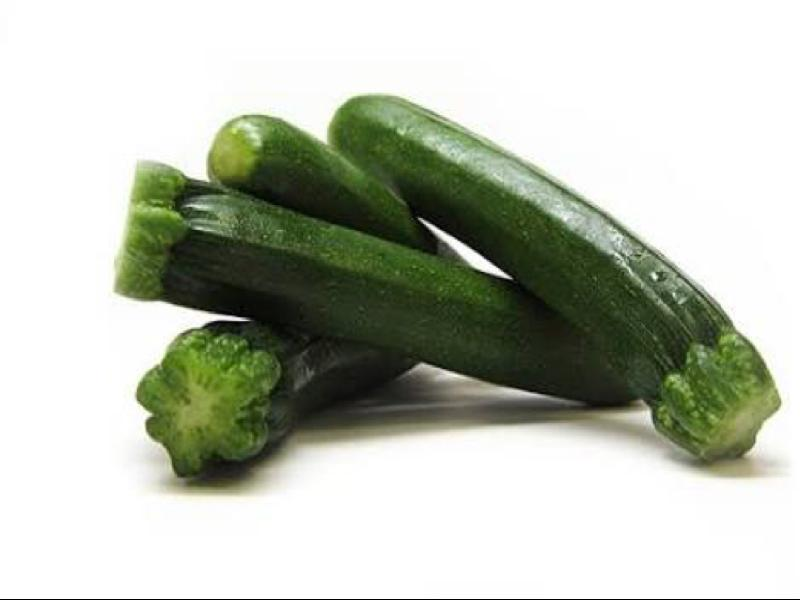
Here is the nutritional value in 100 grams of zucchini :-
| Calories | 16 calories |
| Sodium | 10 mg |
| Fat | 0.18 g |
| Carbs | 3.35 g |
| Fiber | 1.1 g |
| Sugar | 1.71 grams |
| Protein | 1.21 grams |
-
Carbohydrates :-
A 100 gram serving of zucchini provides about 3.3 grams of carbs, most of which carbohydrates are natural sugars, estimated at about 1.7 grams in the same serving of zucchini, plus 1 gram of fiber for the same serving.
Zucchini is considered a low glycemic food, with a glycemic index of only 2 for a 100 gram serving.
-
Fat :-
Zucchini is almost a fat-free food fat, as a 100 gram serving of zucchini provides about only 0.2 grams of fat, which is a very small amount.
-
Protein :-
Zucchini provides a small amount of protein, as a 100 gram serving gives about 1.2 grams of protein.
-
Vitamins and minerals :-
Zucchini is an important source of many vitamins and minerals, it’s an excellent source of vitamin C, also a good source of vitamin B6, and zucchini provides some amounts of vitamin A, folic acid, riboflavin, and thiamine.
Zucchini also contains some minerals, including manganese andpotassium, along with small amounts of magnesium andPhosphorus.
-
Health benefits of zucchini :-
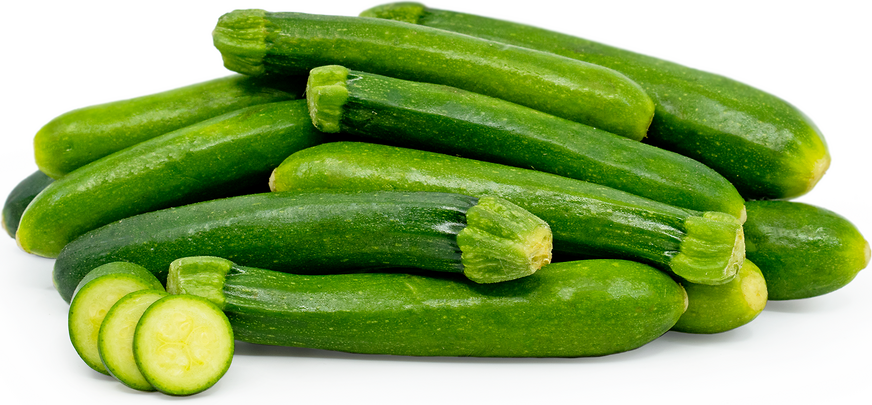
Since zucchini has many important minerals and vitamins, it provides many important health benefits for the body, which include :-
-
Protects cells from free radicals :-
Zucchini provides about 24% of the daily vitamin C needs, which is a water-soluble vitamin important for boosting immunity, repairing cells, and slowing aging.
Vitamin C is a strong antioxidant thought to prevent oxidative stress caused by exposure to free radicals from the environment like cigarette smoke or free radicals made by the body. Experts recommend getting antioxidants from foods like zucchini rather than supplements.
-
Helps prevent some types of cancer :-
Research shows diets with more fruits and veggies are closely linked to lower risk of some cancers, especially lung, breast, colon, stomach, larynx, and esophagus cancers.
Some studies suggest that vitamin C might be what gives this cancer protection, thanks to its antioxidant and anti-inflammatory properties, which are found a lot in zucchini.
-
Slowing down skin aging :-
The vitamin C in zucchini also helps produce collagen, which is the main protein in skin and works to keep it fresh and protected.
Vitamin C might also help protect against age-related skin decline and sun damage caused by UV exposure.
-
Reduces symptoms of premenstrual syndrome :-
Some studies showed that vitamin B6 in zucchini may help ease symptoms of pre menstrual cycle or what is called PMS.
-
Helps reduce morning sickness :-
Studies also show vitamin B6 may again help reduce morning sickness symptoms in early stages of pregnancy.
-
Allergy :-

Allergy to zucchini is rare but can happen. People with oral allergy syndrome (OAS) might have allergic symptoms from eating zucchini or yellow squash, but cooking may reduce these symptoms.
If you suspect you have an allergy to zucchini, you should see a doctor right away for proper diagnosis.
-
Storage and food safety :-
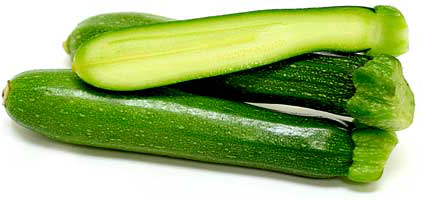
You can keep whole, unwashed zucchini in a tight container in the fridge for up to a week. Before cutting, make sure to wash the zucchini skin well with cold water.
You can also freeze zucchini by cutting it into slices, cubes, or shredding it, then putting it in a freezer bag. Usually, you can keep it in the freezer for up to a year.
Frozen zucchini is usually soft and better for making soups and baked dishes.
-
How to prepare :-

It's totally safe to eat raw zucchini with the peel. Actually, eating the peel boosts antioxidant content. The seeds are edible too.
You can dip raw zucchini in your favorite dips, chop it into salads, or cook it by steaming, grilling, frying, or baking. Shredded zucchini can be used to make zucchini bread.
Adding lots of foods and veggies to your daily diet is important for good health and preventing many health issues. So always include foods proven to have important health benefits like zucchini.
Article sources :- 1.