

Cortisol, also called the stress hormone, is an important hormone in the body. It plays key roles in many body functions and is often released during tiredness and stress. In this article, we'll learn about cortisol and how it affects your body to balance your other hormones and help you stay healthy.
-
What is cortisol?
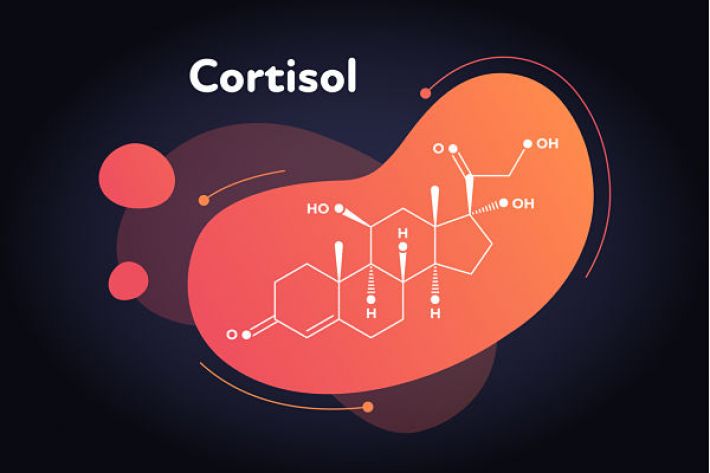
Cortisol is a steroid hormone made in the adrenal glands. Most body cells have cortisol receptors, so this hormone affects many body functions.
Cortisol release is controlled by the hypothalamus, pituitary gland, and adrenal gland, together called the HPA axis. The pituitary gland is a pea-sized gland at the base of the brain and is sometimes called the master gland because it strongly affects the body.
Your body also closely controls how much cortisol it makes to keep things balanced. The pituitary gland regulates cortisol production in the adrenal glands.
When you wake up or do intense exercise, the pituitary gland reacts by sending a signal to the adrenal glands to release the right amount of cortisol.
-
Why is cortisol important?

-
Cortisol helps control blood glucose levels, manage metabolism, reduce inflammation, and supports memory formation.
-
It controls salt and water balance.
-
It also helps control blood pressure.
-
Cortisol also supports fetal growth during pregnancy in women.
-
So cortisol is an important hormone for protecting overall health.
-
Cortisol controls how the body uses carbs, fats, and proteins.
-
Cortisol regulates the sleep-wake cycle. It’s released with the body’s daily routine about 30-40 minutes after waking, then levels drop throughout the day.
-
Problems with high cortisol levels:
-
Tumors in the pituitary or adrenal gland can cause a condition called Cushing's syndrome. This condition means high cortisol levels in the blood. People with Cushing's syndrome quickly gain weight in their face, belly, and chest.
-
Cushing's syndrome causes red face, high blood pressure, and skin changes.
-
If diagnosed with Cushing's disease, you also need to watch for bone loss and mood swings.
-
Even without Cushing's disease, high cortisol can change a woman's sex drive and menstrual cycle.
-
There is a chance that high cortisol levels are linked to anxiety and depression.
-
Effects of low cortisol levels:

Low cortisol causes a condition called primary adrenal insufficiency or Addison's disease. It's rare but it's an autoimmune disease that harms the adrenal glands.
Symptoms start slowly but can get very serious.
-
Patients with primary adrenal insufficiency may have:
-
Loss of appetite and weight loss.
-
Fatigue and low blood sugar.
-
Increased salt craving, dizziness, also causes nausea, vomiting, and belly pain.
-
Low cortisol levels also cause muscle or bone pain.
-
Cortisol levels impact your weight:
There are certain situations where it can be low or high.

-
High cortisol hormone levels:
Cortisol level increases, even if small, happen in response to stress and that's normal. It's unlikely to cause negative side effects.
But in some cases, cortisol levels can stay very high, often due to stress or a condition like Cushing's syndrome. This keeps blood cortisol high and leads to:
-
Weight gain.
-
High blood pressure.
-
Feeling tired all the time.
-
Constant mood changes.
-
Face looks flushed and skin thins.
-
Trouble focusing.
-
Insulin resistance.
A study also found that high cortisol levels can cause overeating, but stress and cortisol levels are not always directly linked.
-
Low cortisol hormone levels:

Unlike high cortisol levels that cause weight gain, low levels can cause weight loss in some cases.
-
Most common symptoms when cortisol is low:
1. Feeling less hungry which leads to weight loss.
2. Feeling tired.
3. Low blood sugar.
4. Strong craving for salt.
5. Feeling dizzy, nausea, vomiting, and stomach pain.
6. Feeling muscle and bone pain.
Although high cortisol levels are more common, it's also important to know the effects of low cortisol.
-
To avoid gaining weight from cortisol levels, follow these tips:

1. Exercise for 20 to 30 minutes every day.
2. Get plenty of sleep.
3. Focus on eating healthy, beneficial food for your body.
4. Cut down on caffeine intake.
5. Simplify your daily personal tasks.
6. Eat foods that help reduce stress.
7. Practice deep breathing and meditation, even if just for five minutes.
Making healthy choices when you're stressed is hard because your brain focuses on other problems besides unhealthy food choices. Luckily, there are foods that help reduce stress.
-
E
-
Some foods that will help you manage your weight:

-
Complex carbs, like oatmeal, release a good hormone called serotonin.
-
Oranges have high levels of vitamin C, which lowers cortisol levels.
-
Omega-3 fatty fish help reduce high cortisol levels in your system.
If you suspect your cortisol levels aren't right, the first step for help is to talk to your doctor. Your doctor can order tests to see if your cortisol levels are too low or too high.

Black tea helps lower cortisol levels.
- Nuts and seeds are full of vitamin B, which helps you stay calm.


