Lately, the idea of undergoing surgeries for treatment has spread obesity, and it is promoted in all available written, visual, and audio media. Maybe you are one of those thinking about surgery to treat obesity, believing it is easier than dieting and exercising.
Obesity treatment surgeries is a term for weight loss surgeries, like gastric bypass or sleeve gastrectomy. These surgeries change the digestive system structure and help reduce the amount of food eaten. They also affect hunger and appetite hormones.
Obesity surgeries can be a good option for some people, but they can also have serious risks and complications for others in the short and long term. In this article, we will learn about different types of obesity treatment surgeries and who can have them.
Types of obesity treatment surgeries
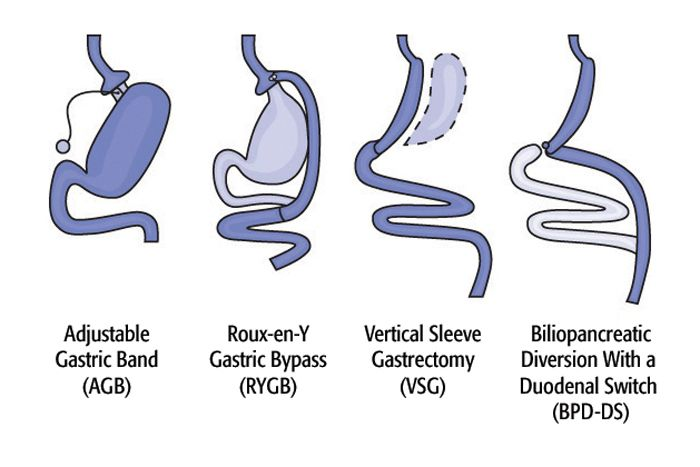
If you're thinking about having obesity surgery, your doctor will likely recommend one of the types that suits you best, because not all surgeries fit everyone.
According to the National Institute of Diabetes and Digestive and Kidney Diseases (NIDDK) in the USA, there are 4 common types of obesity treatments., which include:-
- Gastric bypass surgery
- Sleeve gastrectomy surgery
- Gastric band surgery
- Duodenal switch surgery
We'll look at these obesity surgeries in some detail so you can figure out which one fits you if you need it.
1. Gastric bypass surgery
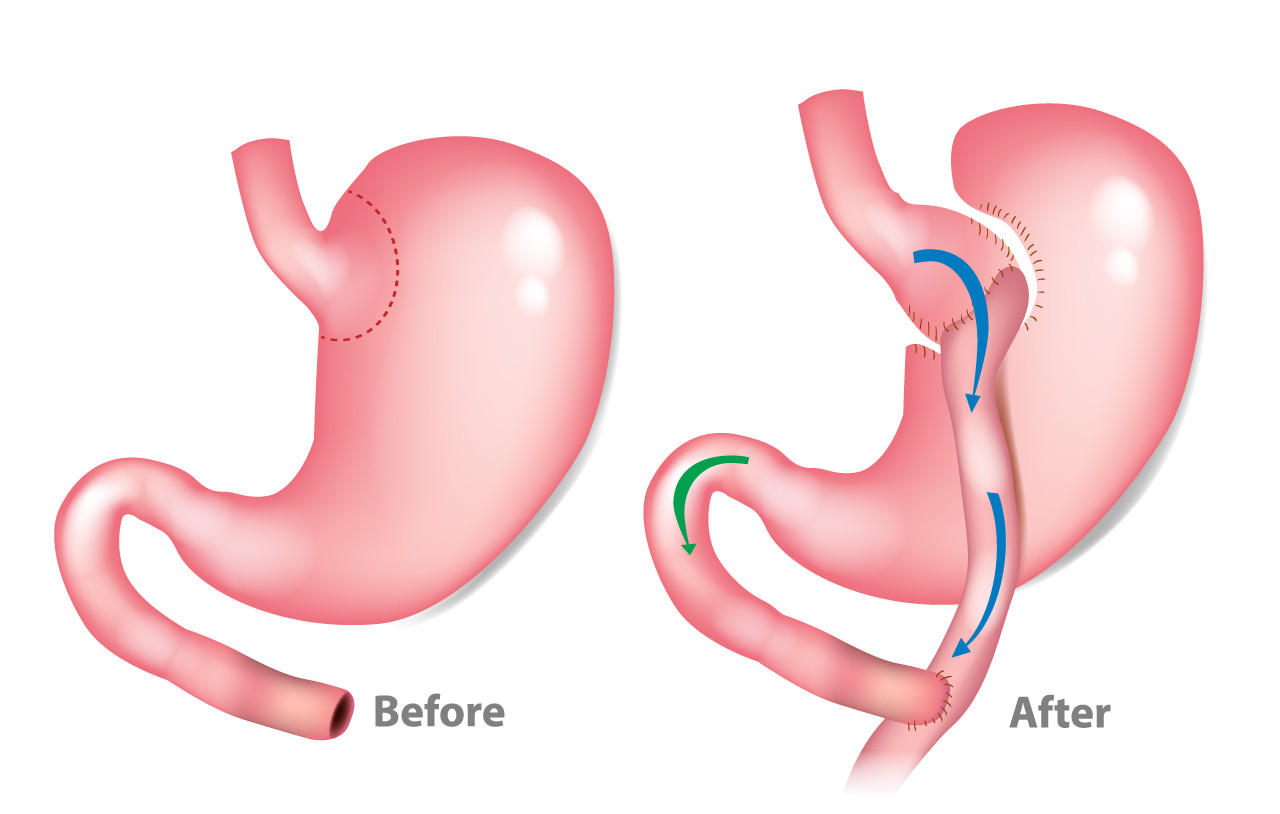
Gastric bypass surgery is one of the most popular obesity treatments, also called gastric bypass. The goal is to reduce the stomach size so the body absorbs fewer calories and nutrients like carbs. This can also cause hormonal changes that affect hunger signals. Hunger in the person.
Gastric bypass can lead to more weight loss compared to other obesity surgeries, but it's the most complex among them.
The U.S. National Institute of Diabetes and Digestive and Kidney Diseases (NIDDK) says gastric bypass involves three separate steps:
- Stapling the stomach.
- Dividing the small intestine.
- Upper small intestine bypass.
2. Sleeve gastrectomy surgery
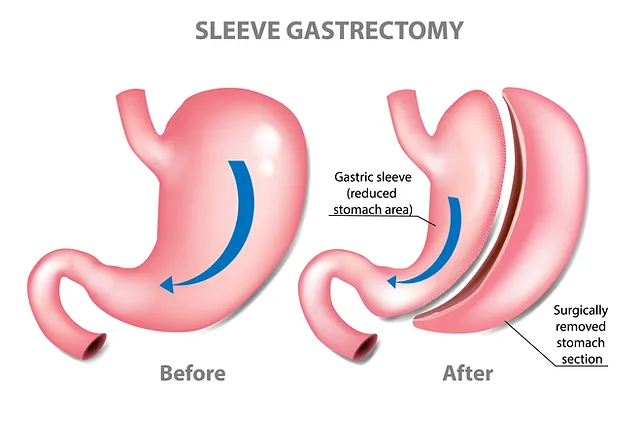
Is known Sleeve gastrectomy surgery Also called vertical sleeve gastrectomy VSG, it's the most common type of obesity surgery done worldwide. The goal is to reduce the stomach size and so reduce the amount of food eaten.
Sleeve gastrectomy may lower gut hormone production that affects hunger signals, appetite, and metabolism. One hormone is called GLP1. It can lower hunger signals and better control blood sugar levels.
Results from sleeve gastrectomy surgery last long because part of the stomach is removed during the operation.
3. Gastric band surgery

Adjustable gastric band surgery is a type of weight loss surgery also called AGB. As the name suggests, it involves placing a surgical band around the upper part of the stomach. This creates a small pouch that holds less food, reducing calorie and nutrient intake.
The gastric band surgery is adjustable so the doctor can change the size of the band opening to make the pouch bigger or smaller. It's the least invasive weight loss surgery, but usually it doesn't lead to big weight loss compared to gastric bypass or sleeve gastrectomy.
A big problem with gastric band surgery is that your body might not tolerate having the band, which can cause infections or other complications where the band is placed. In such cases, the doctor may need to remove the band. Because of this, doctors often don't prefer this surgery for treating obesity.
4. Duodenal switch surgery
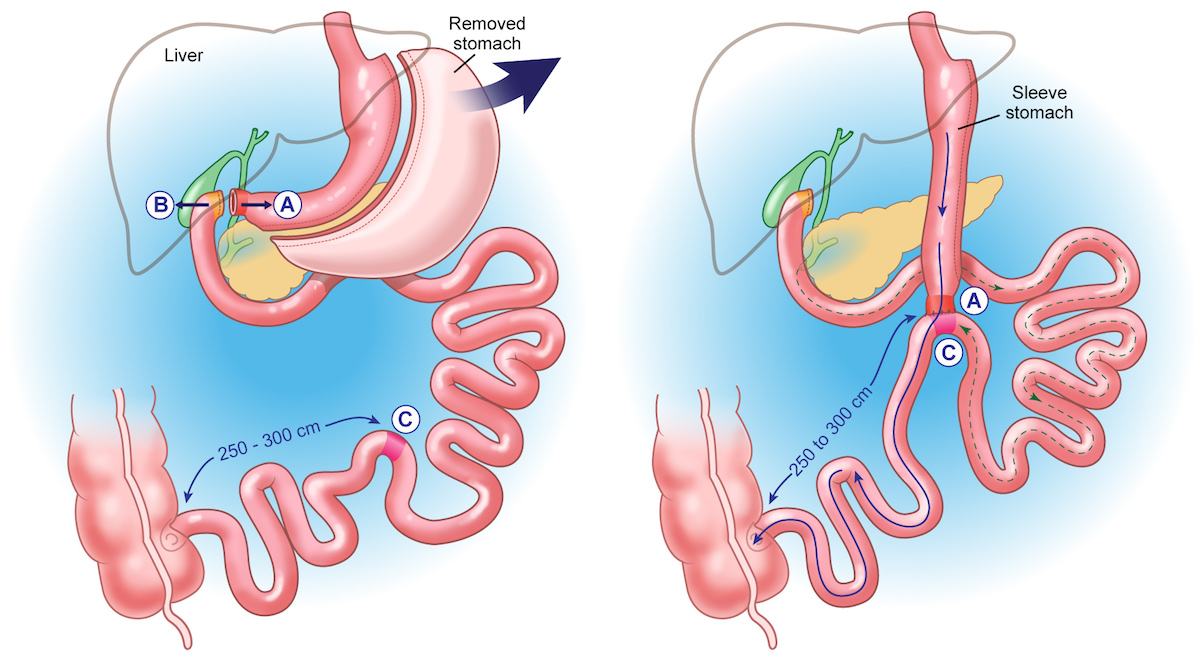
Duodenal switch surgery is the least common weight loss surgery. It's also called pancreatic and bile duct diversion with duodenal switch. The surgery involves two operations, They are:-
- The sleeve gastrectomy mentioned earlier.
- Dividing the small intestine into two parts.
The goal of duodenal switch surgery is to reduce intake of calories, which leads to weight loss.
Duodenal switch surgery carries big risks, like lack of intake of protein or vitamins or other important nutrients, because the body can't absorb these nutrients well after surgery.
The right person for obesity surgery

Obesity surgeries aren't for everyone with overweight or obesity. They are just for those with severe obesity or who have a body mass index BMI Above 35, and they can't lose weight by following diets and exercising, Also for people whose obesity caused them some other serious health problems like:
- Type 2 diabetes.
- High blood pressure.
- Metabolic syndrome.
- Heart disease and strokes.
- Sleep apnea.
Bariatric surgeries might not be suitable for people with low blood sugar because in some cases low blood sugar can get worse after these surgeries.
Article source:- 1.