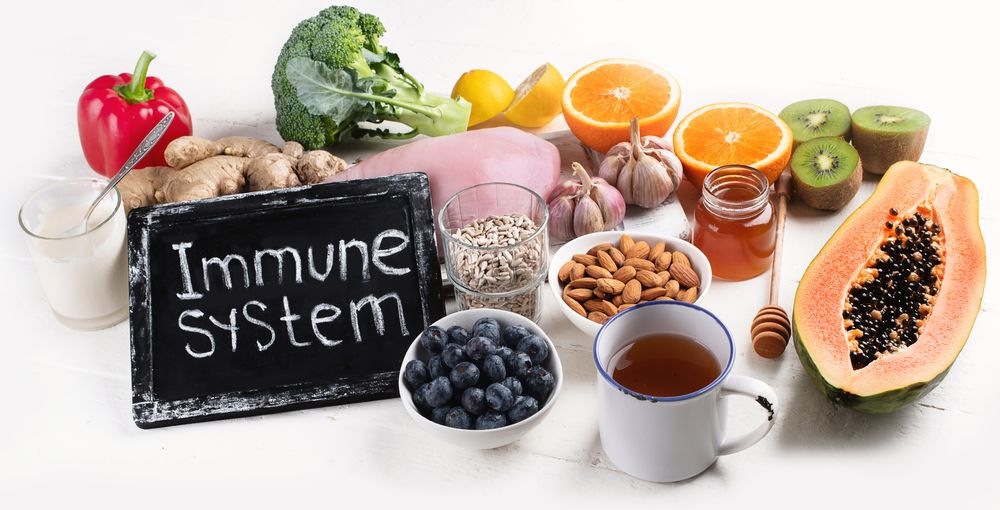
Are considered Omega-3 fatty acids Omega-3 fatty acids They are essential nutrients that play a vital role in keeping the body healthy and preventing many diseases. These fatty acids can not be produced by the body alone, so you must get them through your diet.
Omega 3 fatty acids are mainly found in fatty fish like salmon and sardines, and they have many health benefits including improving heart health, boosting brain functions, and supporting the immune system.
Fatty fish contain two main types of Omega-3 fatty acids, including eicosapentaenoic acid or EPA, and docosahexaenoic acid or DHA.
Regular intake of fish rich in omega-3 fatty acids is linked to noticeably lower rates of heart disease. The American Heart Association recommends eating at least two servings of fish each week, with each serving containing 100 grams of cooked fish or ¾ cup of canned fish.
In this article, we'll look at eight of the best types of fish rich in omega-3 fatty acids to add to your meal plan.
Fish rich in omega-3 fatty acids: top picks for your heart and body health
1. Herring
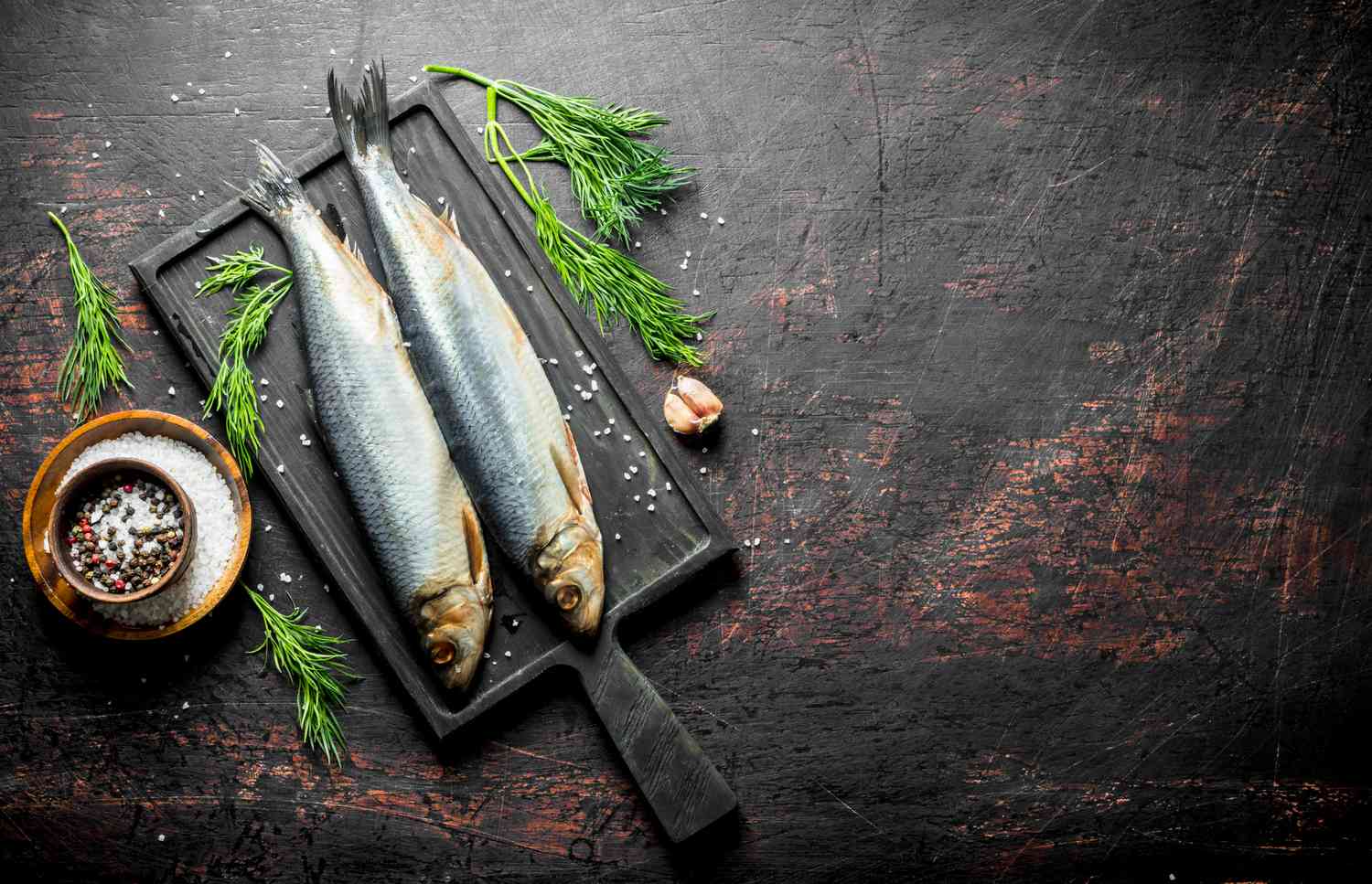
Herring is often pickled Herring and served as appetizers before meals. Also, you can grill fresh herring on a barbecue, bake it, or cook it on the stove.
Herring is a great source of Protein And calcium, niacin, vitamin B12, and selenium.
A 100 gram serving of unpickled herring fish contains about 158 calories, and provides 18 grams of protein.
2. Salmon fish
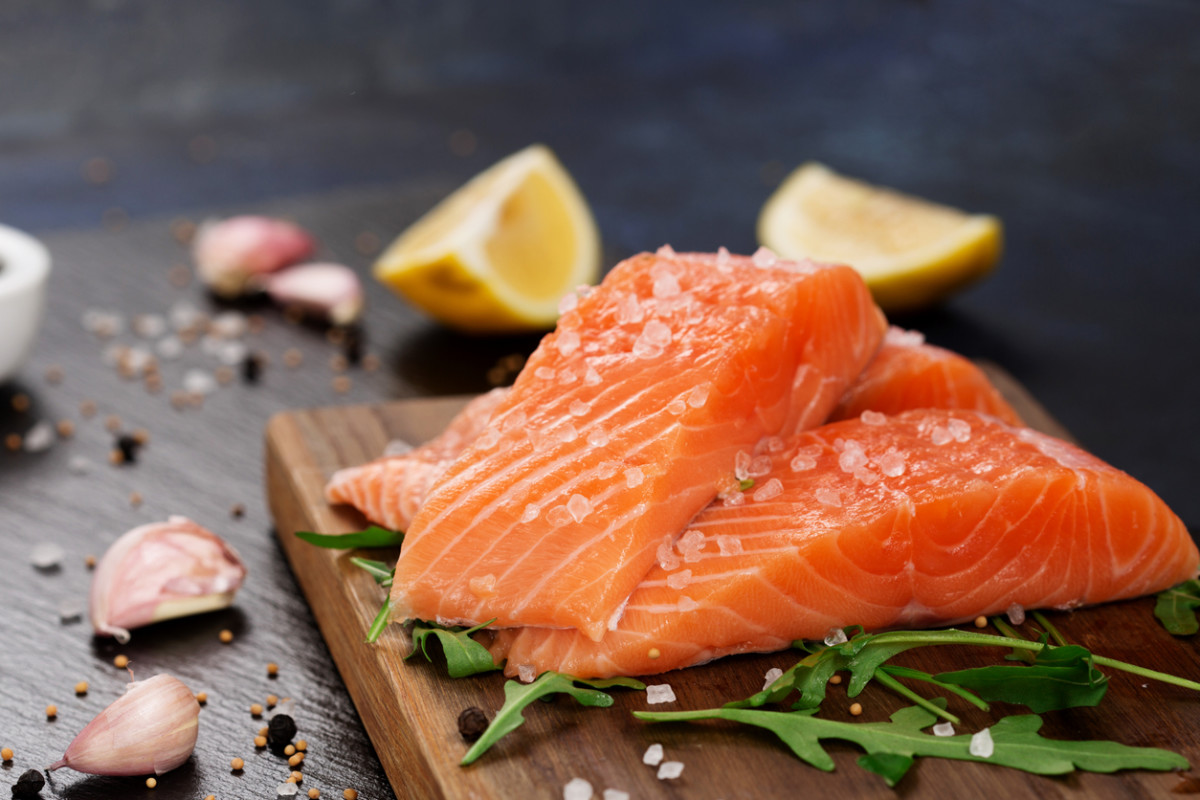
You can bake salmon fillets Salmon You can fry it, grill it, roast it, or boil it. Also, it's good to always keep a pack of salmon handy to make salmon salad or sandwiches anytime for a nutritious meal.
Besides omega-3 fatty acids, salmon is also high in protein andmagnesium potassium, niacin, vitamin B12, andvitamin A.
A 100 gram serving of salmon has about 142 calories and gives 20 grams of protein.
3. Mackerel fish
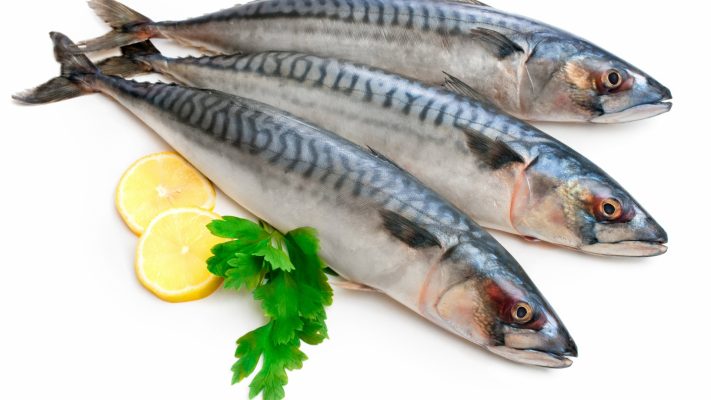
They are often smoked Mackerel fish or canned, and fresh mackerel fillets can also be grilled or baked. To avoid mercury, it's better to choose Pacific mackerel instead of king mackerel.
Besides omega-3 fatty acids, mackerel fish is rich inVitamin B12 niacin andselenium And magnesium andIron And potassium, and it has a good amount of protein.
A 100 gram serving of mackerel has about 161 calories, and about 25 grams of protein.
4. Sardines
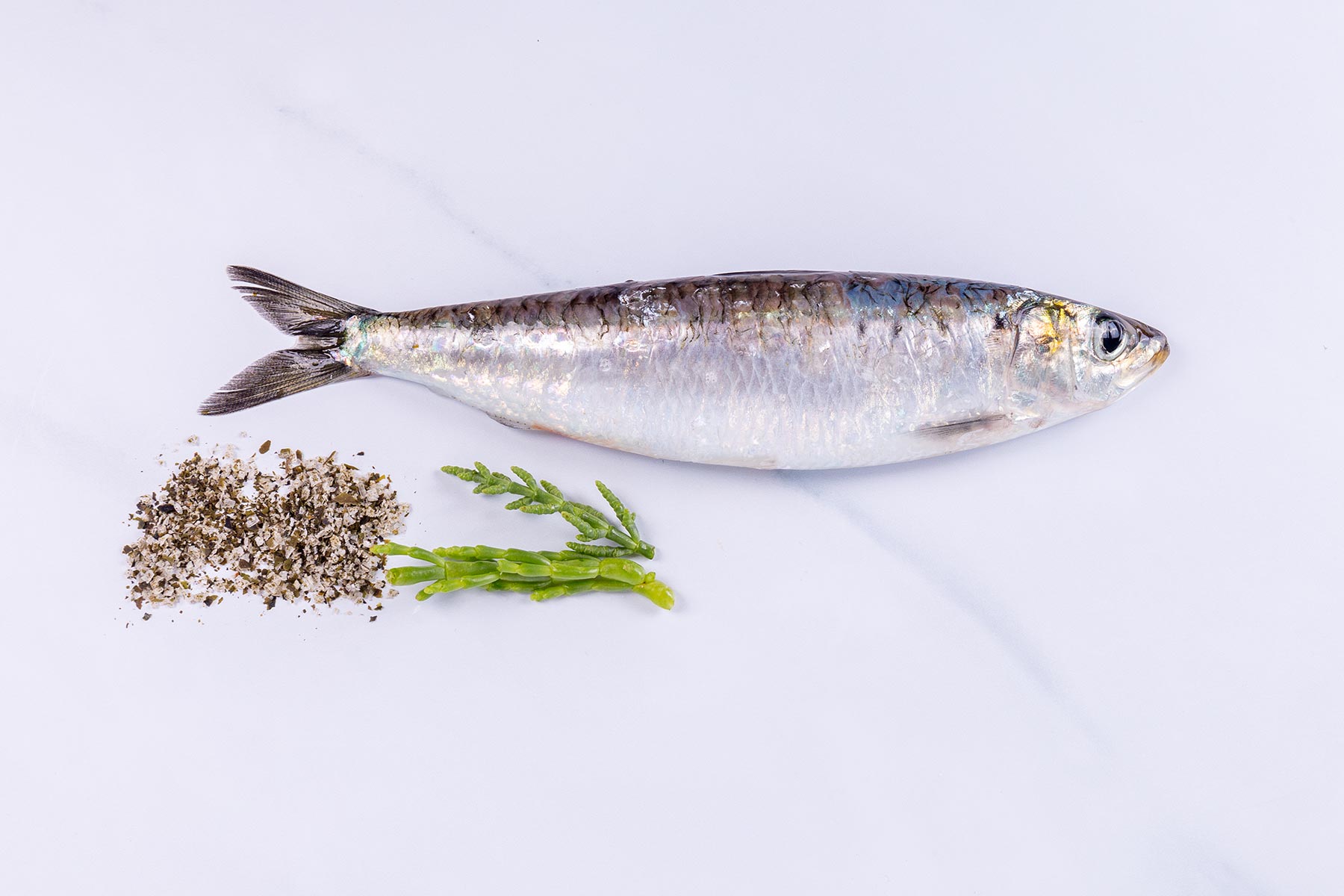
Fish Sardines They are small oily fish usually found canned. These fish are often served as snacks with crackers. Fresh sardines may be found at fish markets, and they can be grilled, fried, baked, or smoked.
Besides protein and healthy fats, sardines are rich in vitamin D and niacin andcalcium. A 100 gram serving of canned sardines has about 208 calories, provides 25 grams of protein, and also gives 353 milligrams of calcium, which is a good and useful amount for the body.
5. Anchovies
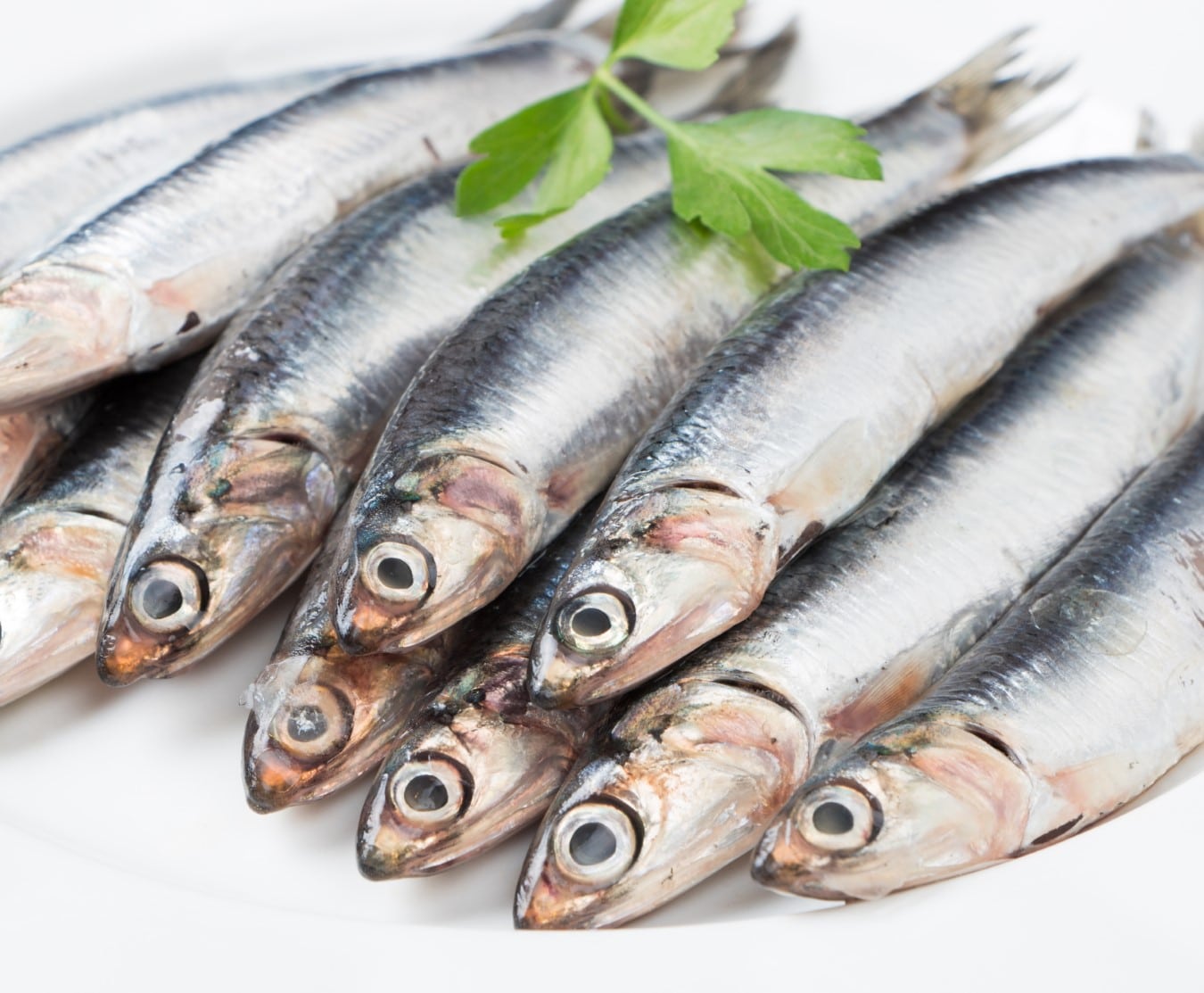
Anchovies are often found on pizza or Caesar salads. You can also buy them in the canned food section at stores. Fresh anchovies can be bought and used in recipes that call for sardines. You can also get anchovy paste to add flavor and nutrition to sauces.
Anchovies have a high amount of protein plus calcium, potassium, selenium, vitamin B12, and niacin.
A 100-gram serving of anchovies provides about 210 calories, around 29 grams of protein, and 10 grams of unsaturated fats.
6. Halibut fish
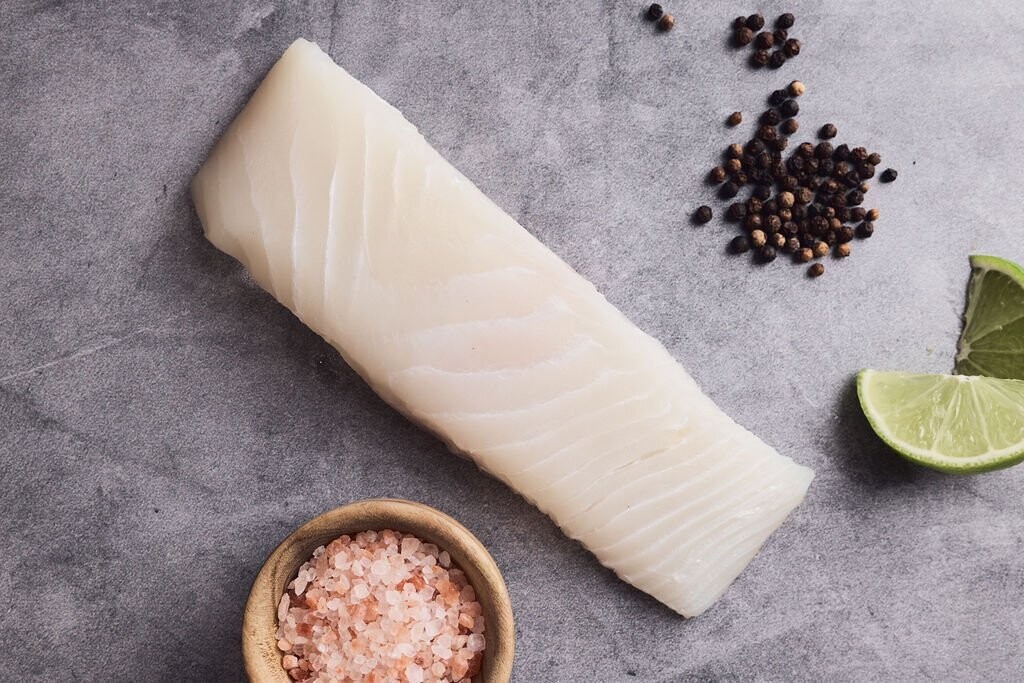
Halibut fish is a great choice for people who don’t like the strong flavor of most oily fish. It's a light white fish with a high amount of omega-3 fatty acids. It’s also an excellent source of protein, potassium, and niacin.
A 100-gram serving of halibut has only about 90 calories and provides around 19 grams of protein. It also has a high potassium level, giving about 435 milligrams of potassium per serving.
7. Rainbow trout or spotted salmon
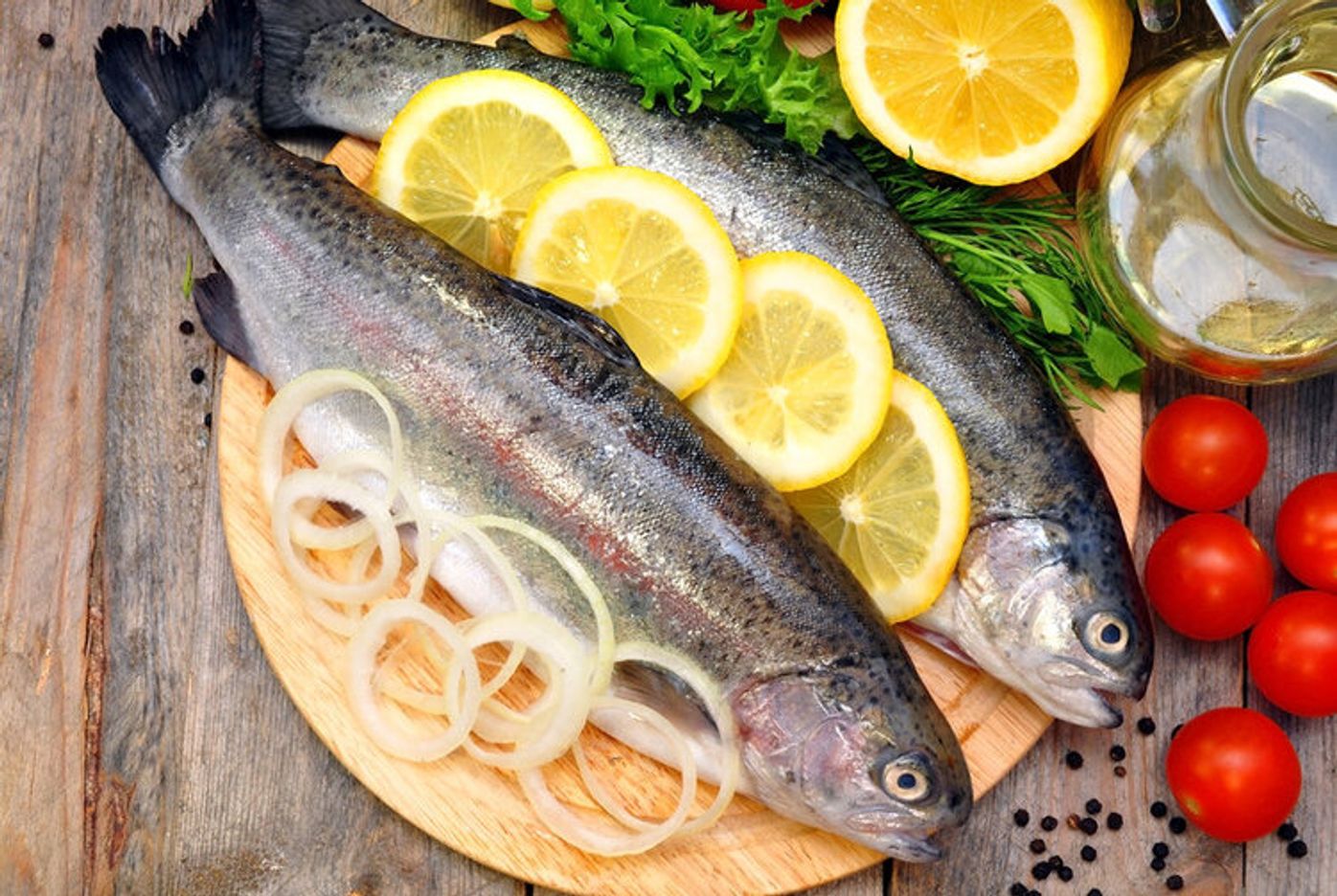
Rainbow Trout is a white fish with a mild taste, making it a good choice for people who don't like the strong flavor of salmon or tuna.
Besides being rich in omega-3 fatty acids, rainbow trout is also a good source of protein, calcium, magnesium, and niacin.
A 100 gram serving of rainbow trout has about 119 calories and around 20 grams of protein, plus lots of B vitamins.
8. Tuna
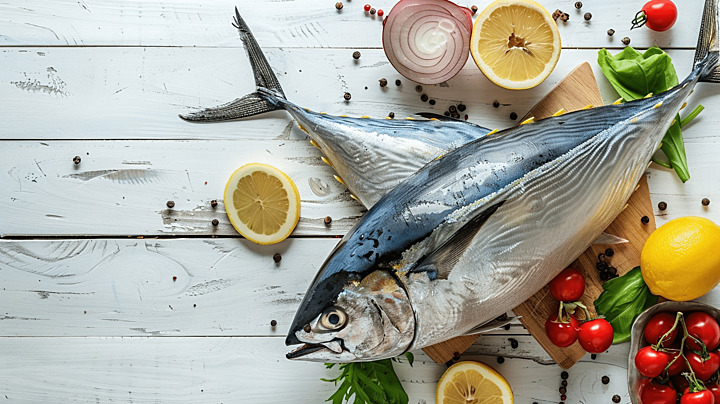
Tuna is served Tuna usually as slices or steak pieces, and can be cooked in many ways like frying, grilling, baking, and roasting. Canned tuna is also commonly available in stores.
Sushi restaurants often serve a high-quality type of tuna called Ahi tuna. Pregnant women and people with weak immune systems should avoid eating raw tuna, even from a trusted restaurant.
Tuna fish is a great source of omega-3 fatty acids, protein, magnesium, potassium, vitamin B12, and niacin.
A 100 gram serving of canned white tuna in water has about 130 calories, provides 28 grams of protein, and around 3 grams of heart-healthy fats.