

If you want to follow a plant-based diet for its many health benefits but don’t want to give up eating meat and dairy, don’t be confused. Here’s a simple solution: you can combine the benefits of a healthy plant-based diet with eating meat through the flexitarian diet.
The flexitarian diet suggests you can enjoy many benefits of a plant-based diet and still eat meat when you want. It became popular in 2008 when nutritionist Dawn Jackson Blatner published her book titled (The Flexitarian Diet - The Mostly Plant-Based Way to Lose Weight, Enjoy Better Health, Prevent Disease, and Add Years to Your Life).
Many people follow the flexitarian diet philosophy because it has no strict rules or guidelines. It’s a style of eating for anyone who wants a more nutritious diet. The flexitarian diet focuses less on restrictions and cutting out foods compared to many other diets. Plus, it adds a lot of plant foods that provide health benefits like protection from cancer, diabetes, and other conditions thanks to essential micronutrients, vitamins, minerals, and plant chemicals.
US NEWS AND WORLD REPORT ranked the flexitarian diet second on the list of best overall diets.
-
What do experts say about the flexible diet:

The diet focuses on plant-based eating with flexibility to include animal products in moderation. So nutrition experts can support this type of meal plan that relies on nutrient-rich foods and is sustainable to follow long-term.
-
What you can eat in the flexible diet:
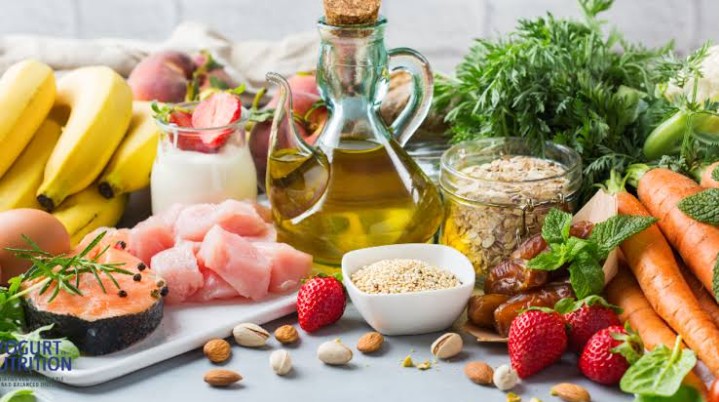
If you follow the flexible diet you'll focus mostly on plant-based meals but the diet allows eating meat throughout the week. The key is to focus on plant-based meals most of the time while allowing meat in moderation.
There are no specific recipes you must follow to start the flexible diet. You just need to look for plant foods rich in nutrients and foods with meat but in moderation.
-
Meal plan inside the flexible diet:
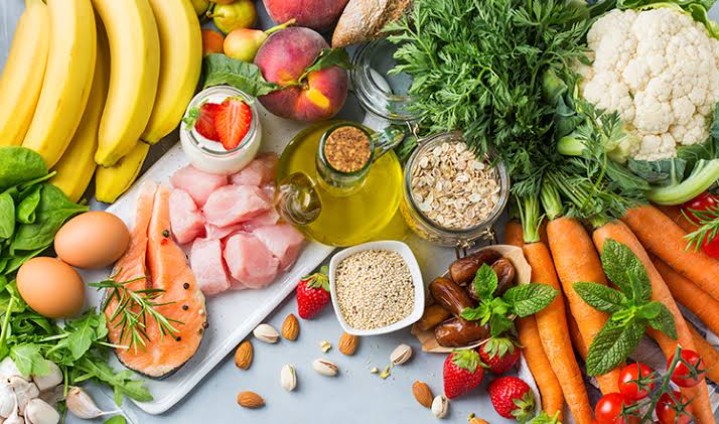
There’s no set meal times in the flexible diet, nutritionist ( Don Jackson Blather ) People who want to lose weight can split their daily calories into three main meals like this (breakfast 300 calories, lunch 400 calories, dinner 500 calories, plus two light snacks with 150 calories between meals).
You'll do some small tweaks to this plan if you need fewer or more daily calories, but you can also make the plan more flexible without sticking to a strict schedule or calorie count.
-
How to handle your food restrictions in the flexible diet system :-
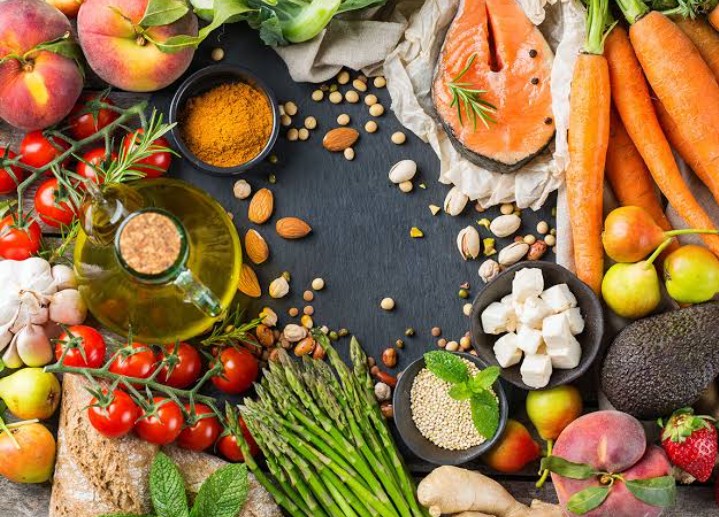
If you have any food restrictions or allergies to certain foods, it's really easy to find suitable adjustments in the flexible diet, Here are some helpful tips :-
-
Dairy allergy :- You can use dairy-free alternatives, or go for plant-based milks.
-
Gluten allergy :- Choose gluten-free grains like quinoa and brown rice, and make sure other food choices are gluten-free too.
-
Soy allergy :- Avoid tofu and any other foods that have soy.
-
How to include food groups in the flexible diet:
-
Vegetables:
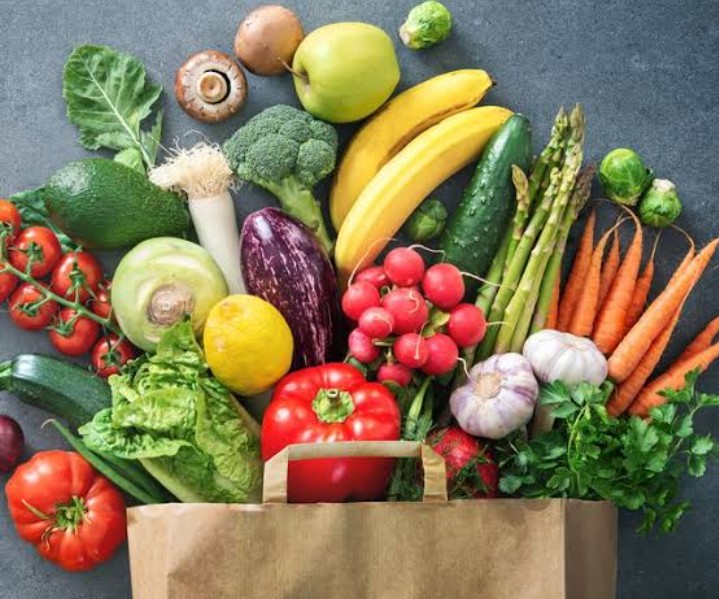
Vegetables are the backbone of the flexible diet. Increase your veggie intake by using new recipes or creative ways like (cauliflower rice recipe).
-
Fruit:

The flexible diet recommends eating fruit instead of ice cream or chocolate. To satisfy your sweet tooth, eat fruit. It provides sweetness plus lots of nutrients, fiber, and water, helping you feel full and hydrated.
-
Whole grains:
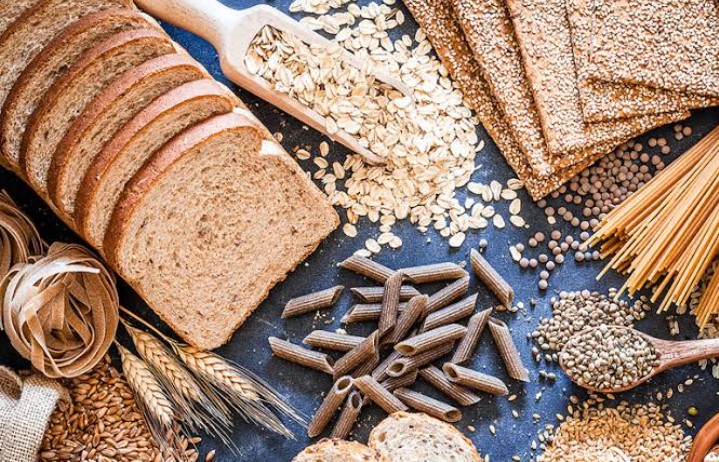
Unlike refined grains, whole grains give you fiber and nutrients. Use them based on your food preferences like (oatmeal and brown rice). You can also use ancient grains like (quinoa, millet).
-
Plant protein:
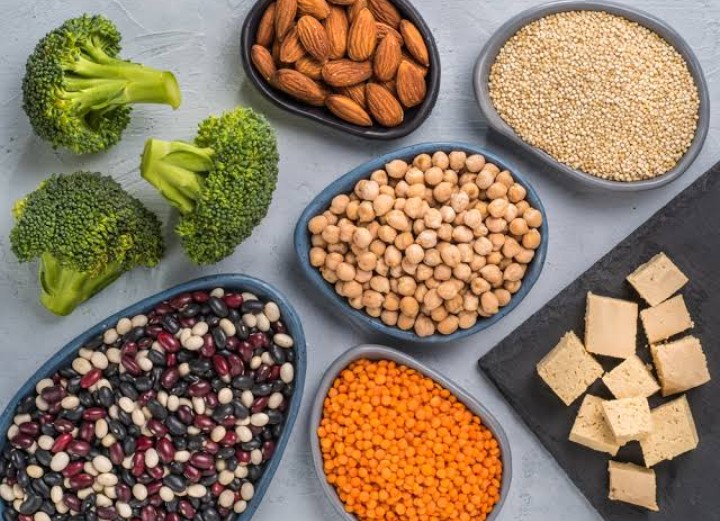
Even though you won't fully give up animal protein in the flexible diet, you'll need to add more plant-based meals. So eat more plant protein like tofu, lentils, beans, nuts, and seeds.
-
Eggs :-

Along with plant protein, you can eat eggs in the flexible diet. Eggs are a great way to get protein if your meals don’t have meat.
-
Dairy products :-

The flexible diet allows dairy and dairy products, especially since they’re very good for your bones. So you can include milk, cheese, yogurt, or dairy alternatives in your plan.
-
Oils, herbs, and spices :-
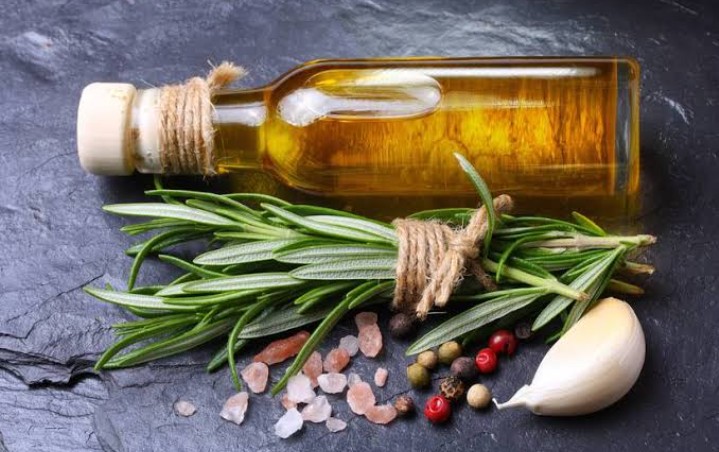
Try using different oils, tasty herbs, and fragrant spices. They’ll help you add healthy flavors to your recipes.
-
Meat (in moderation) :-
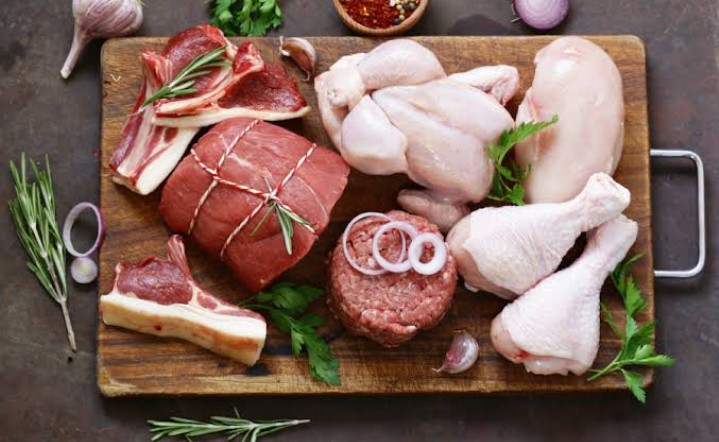
The flexible diet gets its name mainly because it lets you eat meat. It does allow meat but you’ll cut down your overall meat intake. The weekly amount depends on your personal preference.
The flexible diet recommends at least two meat-free days a week, to help you get used to eating less meat gradually.
-
Meat (excess):
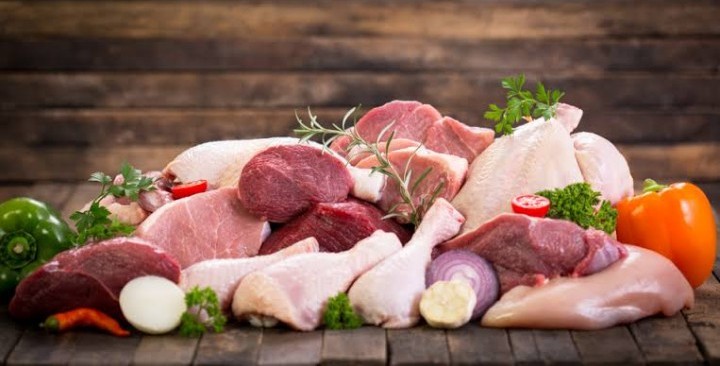
The goal of the flexible diet is to include more plant-based meals. So it makes sense that excess meat doesn’t fit this diet plan. But since there aren’t strict rules on how much meat to cut, everyone on the flexible diet should decide what “excess” means for them.
-
Added sugar (excess):
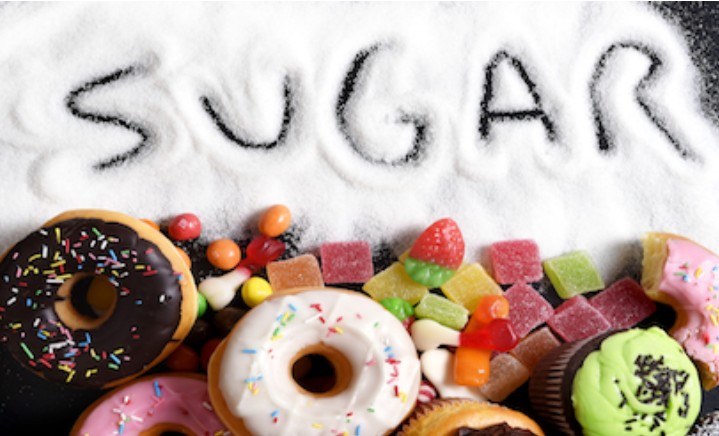
Like most healthy diets, you’ll want to cut down on added sugar if you follow the flexible diet plan.
-
Refined carbs (excess):
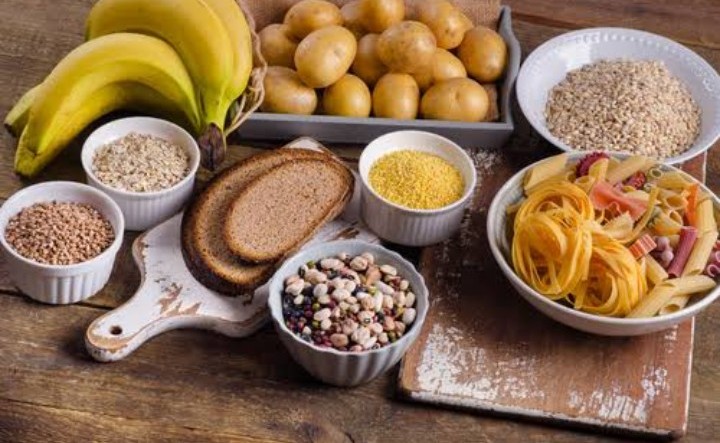
Refined carbs can be okay sometimes, but the flexible diet plan recommends sticking to whole grains.
The best way to know if you are sticking to a flexible diet is to make sure you include more plant-based meals in your diet each week.
-
Sample shopping list inside the flexible diet :-

Since there are no restrictions in the flexible diet other than avoiding processed foods, this shopping list offers suggestions that may help you start following the flexible diet:-
-
Dark leafy greens :- kale - spinach - arugula - green cabbage.
-
Vegetables :- broccoli - cauliflower - bell pepper - mushrooms - carrots.
-
Fresh and frozen fruits :- grapefruit - orange - berries - banana - apple.
-
Healthy fats :- avocado - walnuts - almonds - chia seeds - flax seeds - olive oil.
-
Grains :- quinoa - white rice - brown rice - barley - couscous.
-
Bread: whole grains - fermented dough.
-
Legumes: beans - lentils - chickpeas.
-
Meat and poultry: lean beef cuts - chicken breasts - turkey breasts.
-
Fresh or frozen fish: halibut - salmon - shrimp.
-
Dairy products: yogurt - feta - parmesan - cottage cheese.
-
Eggs.
-
Sample meal plan within the flexible diet system:

Even though you don’t have to avoid any food groups in the flexible diet except processed foods, you’ll need to add more plant-based meals regularly in this plan. The suggested meals aren’t exhaustive and you can pick other meals that fit your taste, preferences, and budget better.
-
Day 1 :-
-
Breakfast :- Veggie omelette + 100g orange juice.
-
Lunch :- 1 ½ cups citrus and kale salad + quinoa + cup of veggie soup.
-
Dinner :- 2 black beans + arugula + turmeric guacamole.
-
Day 2 :-
-
Breakfast :- One slice of avocado + fried egg + 1 cup berry juice.
-
Lunch :- 1 tuna wrap + ¼ cup lemon lentil sauce + 50g carrot slices.
-
Dinner :- One serving Mediterranean-style red pepper stuffed with quinoa + 1 serving grilled shrimp + salad + cauliflower tabbouleh.
-
Day three :-
-
Breakfast :- 1 yogurt + nut butter + 1 serving of green juice.
-
Lunch :- one and a half cups of roasted tomato soup with fennel + 1 slice of fermented dough bread.
-
Dinner :- 1 cup of Moroccan beef broth + 1 cup of cooked couscous + 50 g of mixed veggies with olive oil.
-
Day four :-
-
Breakfast :- 1 serving of spinach + a bowl of oatmeal + feta cheese + an orange.
-
Lunch :- 2 tofu rolls with sesame + peanut sauce.
-
Dinner :- 1 serving of curry chicken + 3/4 cup baked coconut rice.
-
Positives of following the flexible diet:

There are many benefits to following the flexible diet since you can tailor it to fit your nutritional needs, health goals, and taste preferences:
-
Focuses on nutritious foods:

The flexible diet includes all food groups, so it's likely to cover all your nutritional needs in this diet, maybe with some planning to make sure you get enough iron.
There might be some lack of vitamin B12 and omega-3 fatty acids in some diets, but since the flexible diet allows eating fish, it can offer a better overall nutrient balance.
-
Personal preference friendly (flexibility):

No food groups are excluded in the flexible diet. Instead, it focuses on increasing plant foods while reducing total animal food intake. Since all foods fit into this diet, it's easy to make changes to suit your lifestyle. You can even eat out without feeling guilty and still stick to the core principles of the diet.
-
Budget friendly:
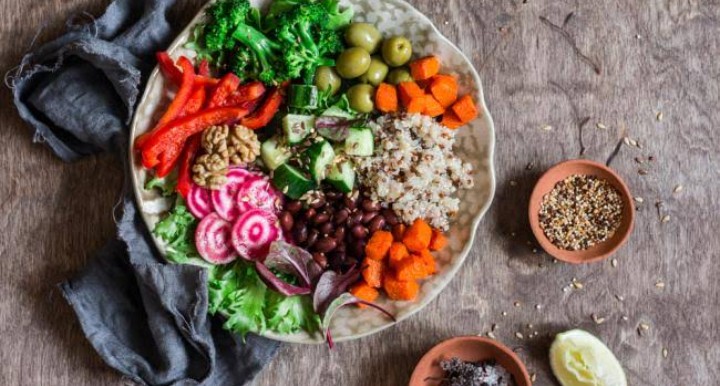
The flexible diet plan doesn't need expensive meal substitutes or special recipes. Instead, you can choose options that fit your food budget. Also, by cutting down on meat, you might save some money on your weekly grocery bill.
-
It can support weight loss :-
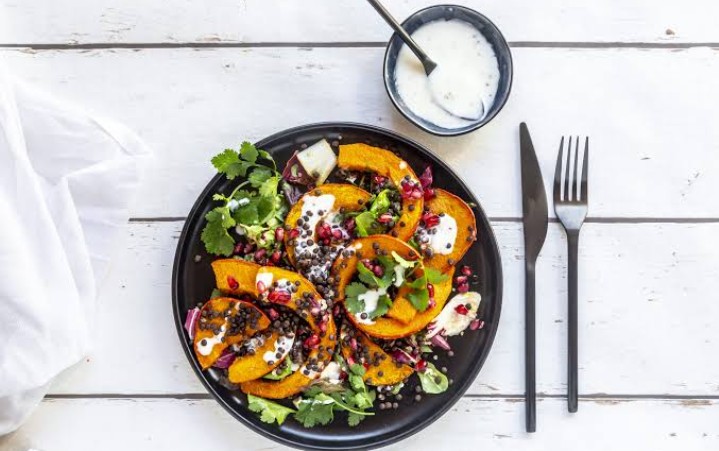
Many studies show that plant-based and semi-vegetarian diets are linked to lower body weight. A 2015 study found postmenopausal women following semi-vegetarian diets weighed less and had lower BMI and body fat compared to women on non-vegetarian diets.
-
It may reduce the risk of diabetes :-
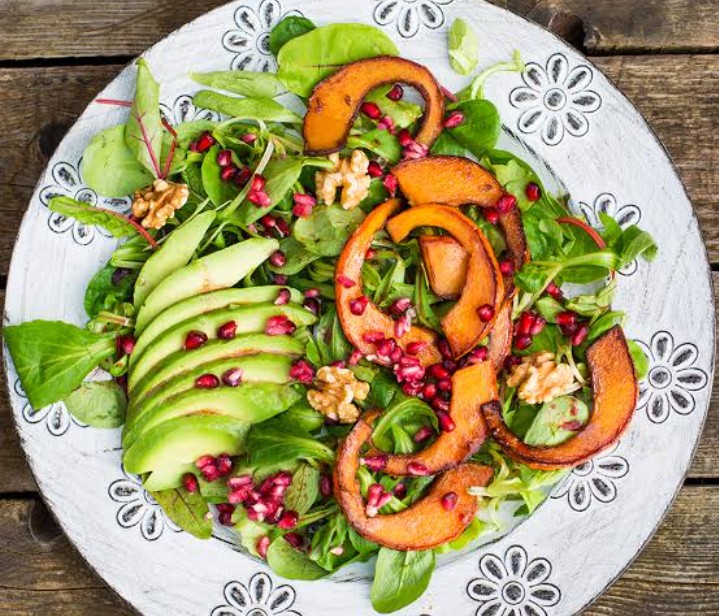
Following a flexible diet might lower the risk of type 2 diabetes. Many studies in nutrition and heart diseases show that people on semi-vegetarian diets had a lower risk of type 2 diabetes compared to those on non-vegetarian diets.
Some research also shows women on semi-vegetarian diets have lower blood sugar and insulin levels.
-
Sustainable :-

Research says people on flexible diets have lower BMI, less obesity, and better health. So, they might be able to follow the flexible diet for life without issues.
-
Negatives of following the flexible diet :-
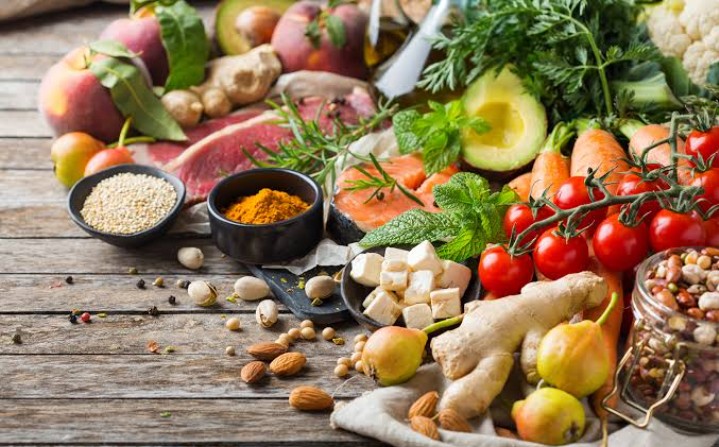
Like all diets, there are still some downsides to the flexible diet that should be considered.
-
It may be difficult for those who eat meat daily :-

If you are someone who eats meat every day, it will be hard to switch to eating more plant-based meals. But the idea of the flexible diet is to adopt a lifestyle that works for you. That might mean not eating meat two days a week at first, then you can add more meat-free days as you get used to it.
-
Lower iron intake :-

Research found that women following semi-vegetarian diets have higher levels of low iron and anemia compared to non-vegetarian women.
Depending on how often you eat meat in a week, you should make sure to include more plant-based iron sources in the flexible diet plan like soybeans, lentils, seeds, leafy greens, and whole grains.
-
Additional guidelines for diabetic patients :-

Although research shows that the flexitarian diet is linked to a lower risk of diabetes, diabetic patients might need some extra guidance when following this diet.
Many plant protein sources are high in carbs, so you might notice your carb intake is a bit higher, which can affect your blood sugar levels.
So if you have diabetes, you should consult a nutritionist before starting the flexitarian diet, to plan meals with carb levels that fit your nutritional needs and health condition.
-
Is the flexitarian diet a healthy choice for you?
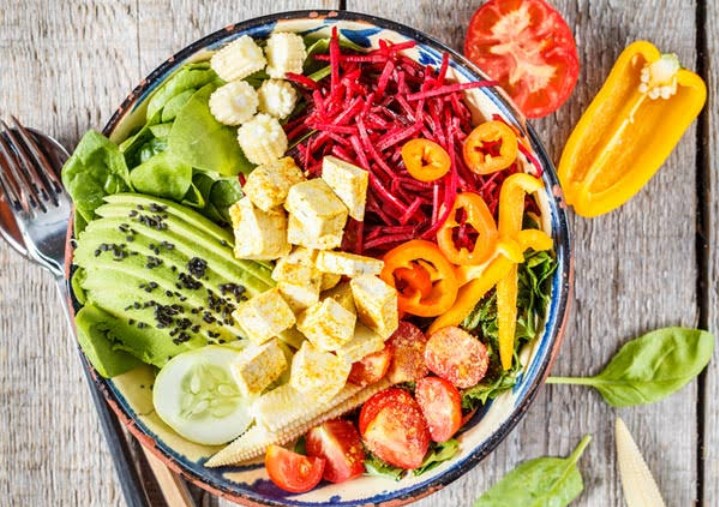
The USDA dietary guidelines advise following healthy eating patterns that improve health and lower disease risk, while meeting nutritional needs, which aligns perfectly with the flexitarian diet plan.
-
Health benefits of the flexitarian diet:

The benefits of the nutrient-rich flexitarian diet are well documented. Studies show that eating more whole foods like fruits, vegetables, plant-based fats, proteins, fish, legumes, whole grains, and nuts can offer many health benefits like :-
-
Improving health and wellness.
-
Boosting weight loss.
-
Improving heart health.
-
Reducing risks of chronic diseases like cancer and type 2 diabetes.
-
Health risks of the flexitarian diet:
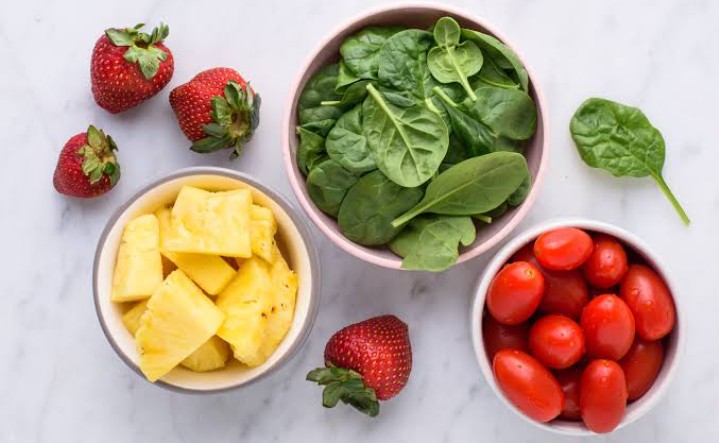
Although no clear health risks are known with the flexitarian diet, some studies show a link between a plant-based diet and depression. But a link doesn’t mean one causes the other, so the semi-vegetarian diet doesn’t necessarily cause depression.
The flexitarian diet can guide you toward a balanced diet rich in nutrients. It focuses on adding more plant foods while slowly cutting down on animal products.


