


Stomach bacteria or Helicobacter pylori is a common condition affecting the digestive system and can cause stomach ulcers.
Stomach bacteria is a bacteria that settles in the stomach lining causing infection, usually leading to gastritis. In some cases, it can also cause other issues like stomach ulcers, stomach cancer, B12 deficiency, anemia, diabetes, and fatty liver, so it's important to start treatment as soon as you find out you have it.
-
First: Here are the top foods to help complete your treatment to get rid of stomach bacteria:
-
Probiotics:
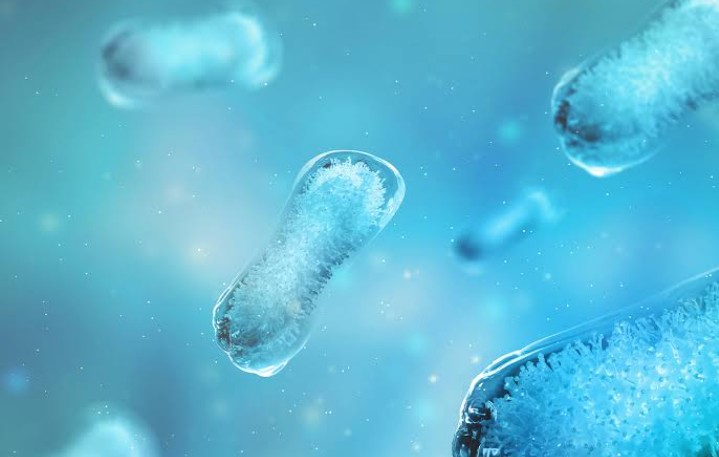
Probiotics are found in foods like yogurt and kefir. You can also take them as supplements in powder or capsule form.
Probiotics are made of good bacteria that live in the gut and boost production of flora that fight stomach bacteria. They also help reduce side effects during treatment like diarrhea, constipation, and indigestion.
-
Omega 3 and Omega 6 fatty acids:
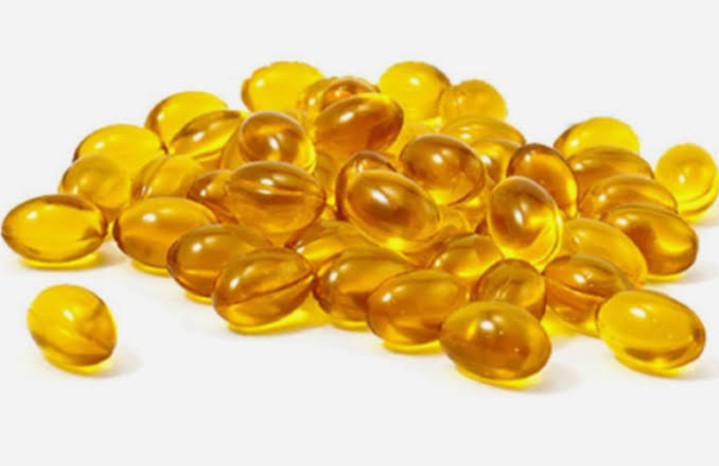
Both omega 3 and omega 6 fatty acids help reduce stomach inflammation and stop the growth of H. pylori bacteria, which helps get rid of and treat it.
You can find these healthy fats in foods like fish, fish oil, olive oil, grapefruit seeds, and grapefruit seed oil.
-
Fruits and vegetables :-

You should eat non-acidic fruits and boiled vegetables during H. pylori treatment because they are easy to digest and help improve gut function.
Some fruits especially help fight H. pylori like blueberries, blackberries, and strawberries, so it's good to eat them moderately and regularly.
-
Broccoli, cauliflower, and cabbage :-
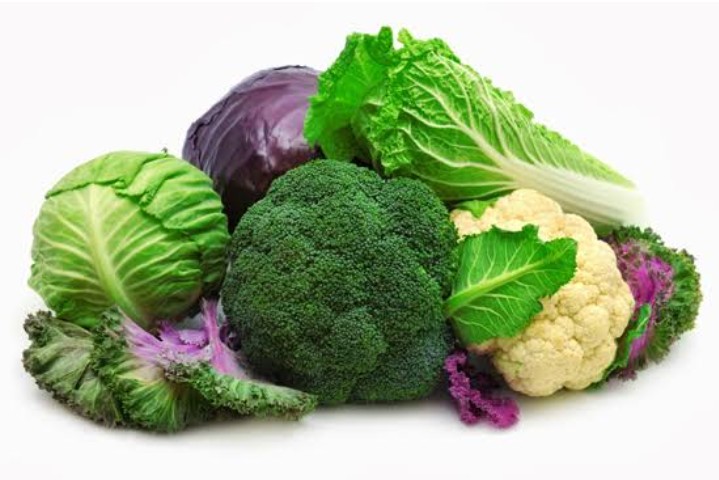
These three veggies, especially broccoli, contain compounds called isothiocyanates, which can help prevent cancer and fight H. pylori by limiting this bacteria from spreading in the gut.
These veggies are easy to digest and help reduce stomach pain that can happen during treatment. It's recommended to eat 70 grams of broccoli daily (about ⅓ cup) for best results.
-
White meats and fish:
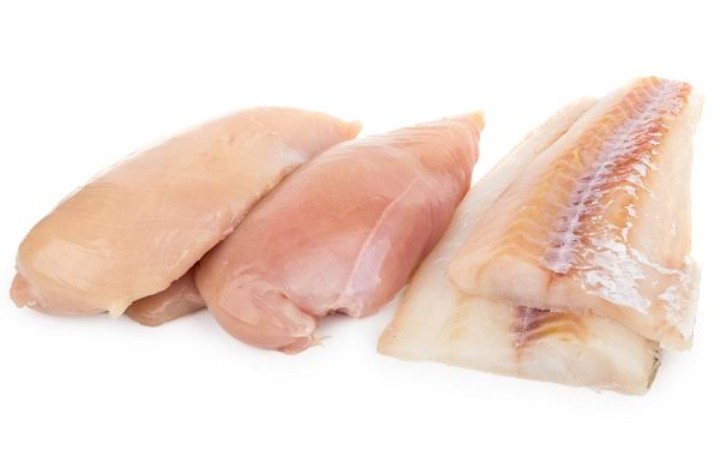
Protein with low fat like white meats and fish helps digestion and stops food from staying too long in the stomach, which can cause pain and fullness during treatment.
The best way to cook these proteins is boiling them with salt and bay leaves for flavor without boosting acid production in the stomach. When grilling meat or fish, use olive oil or a tablespoon of water. You can also roast meat in the oven without oil.
-
Second: How to reduce the side effects of stomach infection treatment:
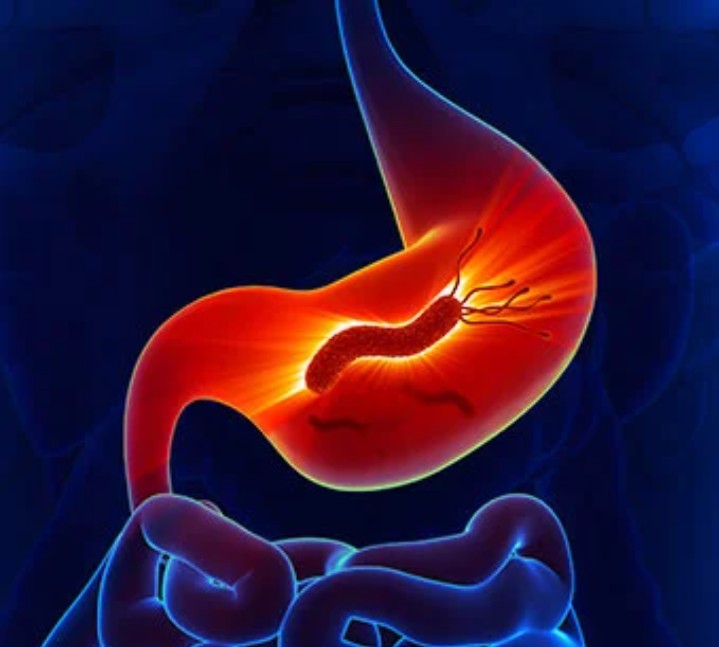
Stomach infection treatment usually lasts about 7 days and includes drugs, especially proton pump inhibitors and antibiotics. So some common side effects are:
-
Feeling a metallic taste in the mouth:
You can get a metallic taste in your mouth early in the treatment and it might get stronger over time. To help, you can add vinegar to your salad and sprinkle baking soda and salt on your toothpaste before brushing.
This will help balance the acids in your mouth and produce more saliva, which can help get rid of the metallic taste.
-
Nausea and stomach pain :-
Nausea and stomach pain usually show up on the second day of treatment and last afterward. To prevent these symptoms, it's important to drink lots of water, rest, and eat easy-to-digest foods like yogurt, white cheese, and biscuits.
Drinking ginger tea shortly after waking up and eating one slice of bread or three pieces of biscuits, plus avoiding large amounts of liquids at once, are good ways to ease nausea.
-
Diarrhea :-
Diarrhea usually appears after the third day of treatment because antibiotics reduce good gut bacteria, which causes diarrhea.
Eating yogurt and easy-to-digest foods like mashed food, soups, white rice, fish, and white meats is a good way to stop diarrhea and restore gut bacteria.
-
Thirdly :- Foods to avoid during treatment for stomach bacteria :-

During treatment for stomach bacteria, it's important to avoid foods that irritate the stomach or stimulate stomach acid, and also foods that increase side effects. So it’s important to avoid the following :-
-
Coffee, chocolate, and black tea :-
These drinks have caffeine, which speeds up stomach movement and increases stomach acid, which might cause more irritation.
-
Soda drinks :-
Soda can make your stomach bloated and cause pain and acid reflux.
-
Sour fruits :-
Avoid sour fruits like lemon, orange, and pineapple because they can cause heartburn and stomach pain.
-
Spicy foods :-
Stay away from spicy foods like pepper, garlic, mustard, ketchup, mayonnaise, soy sauce, and broth cubes.
-
Fatty meats and canned foods :-
Fatty meats, canned foods, and yellow cheese are high in fat which makes digestion hard and keeps food in the stomach longer.
-
Processed meats and fried foods :-
These foods have lots of preservatives and chemicals that can irritate the stomach and intestines and increase inflammation.
It's good to drink more water and eat white cheeses and fresh fruits which can help reduce stomach inflammation and regulate bowel movements.


