


- Sugar is a type of carbohydrate that tastes sweet. It is a quick and easy fuel the body uses. Some types of sugar are lactose, glucose, fructose, and sucrose.
- Most products contain certain amounts of sugars. Even peanut butter and marinara sauce have added sugar. Many people rely on fast and processed foods in their main meals. Since these foods have a lot of added sugar, sugar makes up a big part of daily calorie intake.
- Nutrition experts suggest sugar should be less than 10% of daily calories because consuming sugar is a main cause of obesity and many chronic diseases like diabetes.
Here are some points that show the harms of eating too much sugar.
1. Weight gain

Obesity rates worldwide are rising and one big cause is added sugars, especially in sugary drinks. Drinks like sodas, canned juices, and sweetened tea are full of fructose, a simple sugar. Eating fructose makes you feel hungrier and want to eat more, unlike glucose found in starchy foods. So drinking these sugary drinks makes you feel less full and pushes you to eat or drink more sugary things, which leads to weight gain. Eating lots of fructose can cause leptin resistance, a hormone that controls hunger and tells your body when to stop eating. Studies also found that sugary drinks increase belly fat, which raises the risk of heart disease and diabetes.
2. Increased risk of heart disease
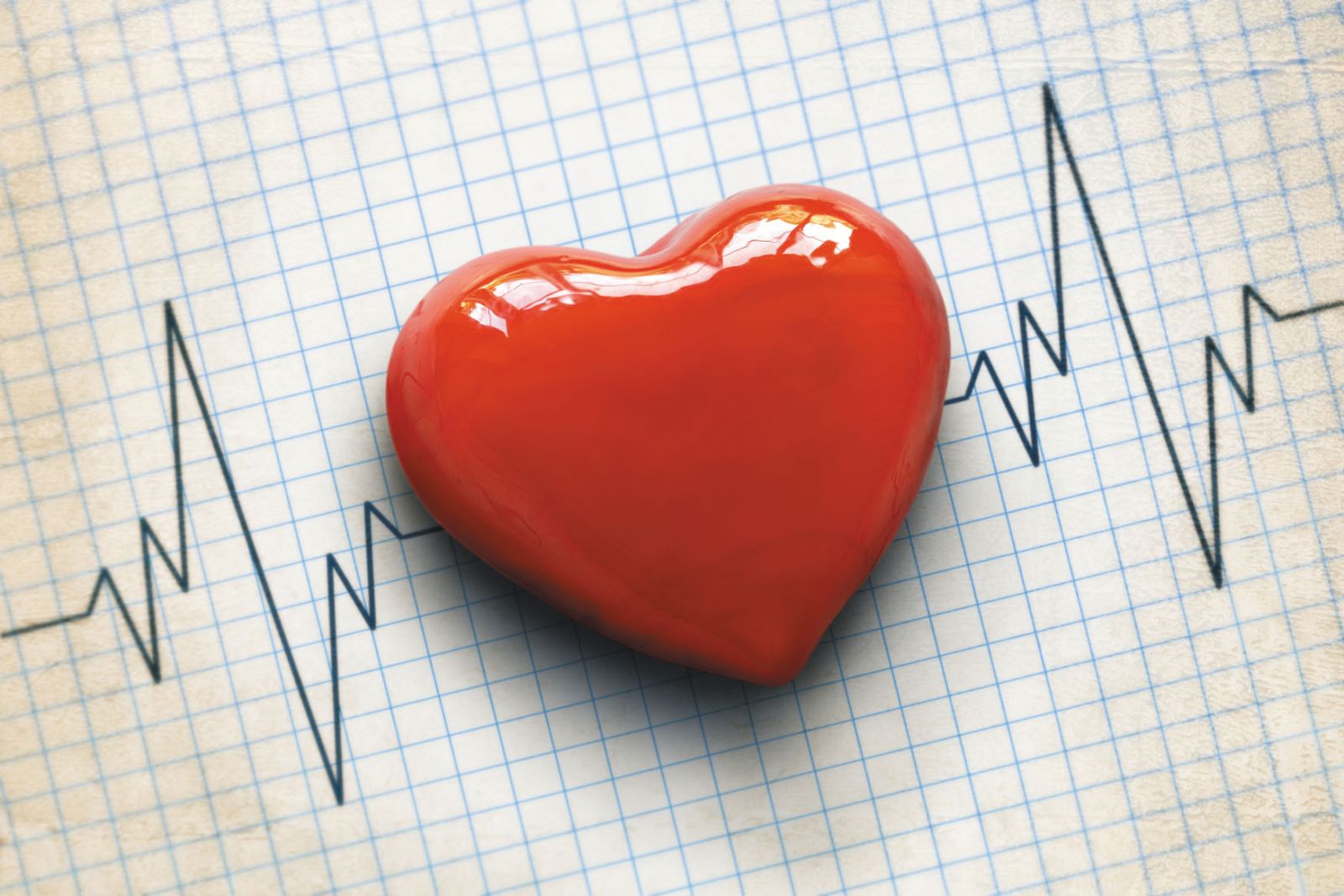
Diets high in sugar are linked to a higher risk of many diseases like heart disease, which is the leading cause of death worldwide. Evidence shows that a sugar-rich diet can cause obesity, inflammation, high triglycerides, high blood sugar, and high blood pressure. All these raise the risk of heart disease. Also, eating too much sugar may cause artery hardening (fat buildup that blocks arteries).
3. Getting Acne

Eating a diet high in refined carbs with lots of sugary foods and drinks can boost acne growth. Sugar-rich foods quickly raise blood sugar and insulin levels, which leads to more androgen hormones, oil production, and inflammation. All these symptoms play a big role in making acne worse.
4. Increased risk of type 2 diabetes

Over the last 30 years, diabetes cases have doubled worldwide. There are many reasons, but a clear link exists between too much sugar intake and diabetes risk. Obesity, often caused by too much sugar, is one of the strongest factors leading to diabetes. Long-term excess sugar also raises your body's resistance to insulin, a hormone made by the pancreas that controls blood sugar levels. When insulin resistance happens, blood sugar rises, increasing diabetes risk.
5. Increased risk of cancer

Eating lots of sugar might raise the chance of some cancers. A diet rich in sugary foods and drinks leads to obesity, which greatly increases cancer risk. Diets high in sugar also cause more inflammation and can cause insulin resistance, both of which raise cancer risk.
6. Increased risk of depression

While a healthy diet can improve your mood, eating lots of added sugars and processed foods can raise your risk of depression. High intake of processed foods, especially sugary ones like cakes and sugary drinks, is linked to more chances of depression. Researchers think that regular blood sugar swings, messed up brain chemicals, and inflammation can hurt mental health.
7. Speeds up skin aging

Wrinkles are a natural sign of aging and show up on everyone no matter how healthy you are. But bad food choices can make wrinkles worse and speed up skin aging. AGEs are compounds formed by reactions between sugar and protein in your body. Scientists believe they play a big role in skin aging. Eating a diet high in refined carbs and sugar boosts AGEs production. This can age your skin too soon. Also, getting older damages collagen and elastin, proteins that keep skin stretchy and youthful. When they get damaged, skin loses firmness and starts to sag.
8. Speeds up cell damage
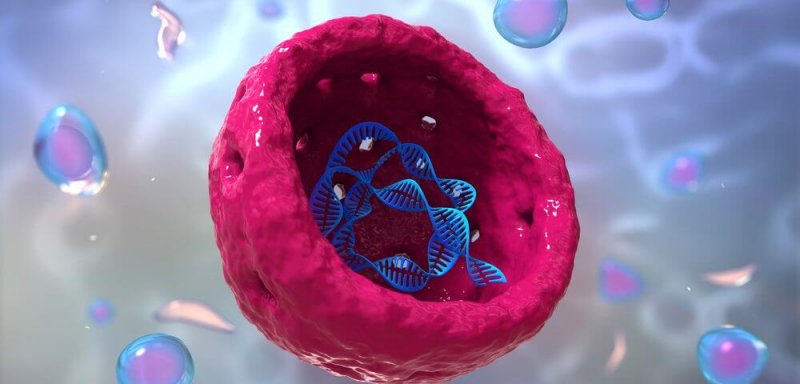
Telomeres are structures at the end of chromosomes. They can carry part or all of your genetic info. Telomeres act like protective caps stopping chromosomes from breaking down or sticking together. As you age, telomeres naturally get shorter. This causes cells to age and stop working. Although this is part of aging, unhealthy habits like eating too much sugar can speed it up.
9. Feeling drained of energy

Foods high in added sugars spike your blood sugar and insulin levels fast, giving a quick energy boost. But this spike is very short and is followed by a sharp drop in blood sugar. Constant ups and downs in blood sugar can cause big swings in energy levels. To avoid energy crashes, pick carbs low in sugar and high in fiber. Pairing carbs with protein or fat is also a great way to keep your blood sugar and energy steady. For example, an apple with a small handful of almonds is an excellent snack to keep energy stable for a long time.
10. Getting fatty liver disease

Eating large amounts of fructose sugar is linked to a higher risk of fatty liver disease. Unlike glucose and other sugars absorbed by many cells in the body, fructose is broken down only by the liver. The liver turns fructose into energy or stores it as glycogen. But the liver can only store so much glycogen before it starts turning extra amounts into fat. So, eating a lot of processed sugars as fructose can cause fatty liver disease, which means too much fat builds up in the liver.
11. Other Health Risks of Sugar

Besides the serious health risks mentioned earlier, sugar can harm your body in many other ways. Studies found added sugars can cause:
- Higher risk of kidney disease: Constant high blood sugar can damage blood vessels in the kidneys. This raises the chance of kidney disease.
- Increased harm to dental health: Eating a lot of sugar can cause tooth decay. Bacteria in your mouth feed on sugar and release acids that strip important minerals from teeth.
- Higher risk of gout: Gout is an inflammatory condition causing joint pain. Added sugars raise uric acid levels in blood, increasing risk or worsening gout.
- Faster cognitive decline: A diet high in sugar can weaken memory and raise the risk of dementia.
How to reduce the amount of sugar you eat:

As we explained before, eating too much added sugar has many bad health effects. Even though eating small amounts of sugar sometimes is totally fine, you should try to cut down on how much sugar you eat. Luckily, just eating unprocessed foods lowers the amount of sugar in your diet by itself.
Here are some tips on how to reduce added sugar intake:
- Swap sodas, energy drinks, juices, and sweetened tea for water or unsweetened sparkling water.
- Drink black coffee without adding any sugar.
- Add fresh or frozen berries to yogurt instead of buying flavored yogurts that are full of sugar.
- Eat fresh or frozen fruit instead of sugary fruit juices.
- The best way to cut down on added sugar is to make healthy meals at home and avoid buying foods and drinks with high added sugar.
To get the perfect body, you need a balanced diet along with exercise. Fitness Garage offers a free app you can download to access all workouts and healthy meal ideas. For paid support, you can call 01017569199.


