

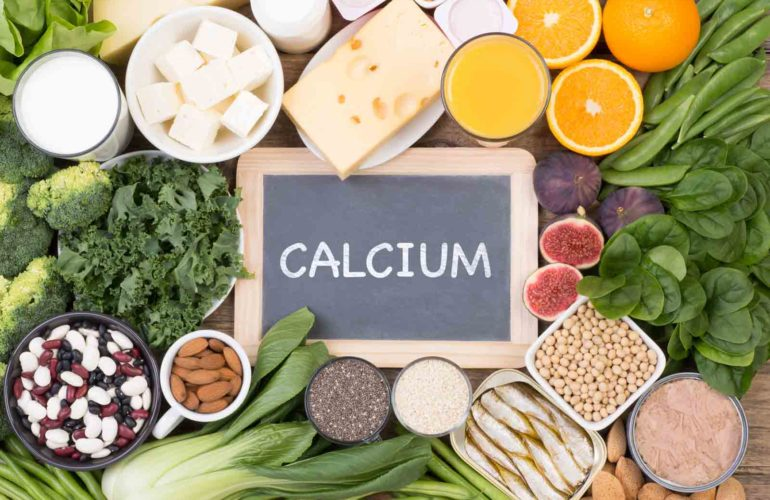
Calcium is one of the most important nutrients for body health. All living things need it, including humans. It's the most abundant mineral in the human body.
Humans need calcium to build and keep strong bones. It also keeps healthy communication between the brain and body parts. It plays a key role in muscle movement, heart function, and blood vessels.
Calcium is naturally found in many foods. You can also get calcium by dietary supplements, This article will cover how to get calcium, why it’s important, and the recommended healthy doses.
-
Foods rich in calcium include:

The body doesn't make calcium, so you need to get it from your diet. Everyone can get calcium through a balanced diet with a variety of foods and drinks, Here’s a list of top calcium-rich foods :-
-
Milk, cheese, and yogurt.
-
Fortified dairy alternatives like soy milk.
-
Sardines and salmon.
-
Tofu.
-
Veggies like broccoli, kale, and arugula.
-
Many fortified breakfast cereals.
-
Fortified fruit juices.
-
Nuts and seeds like almonds, chia, and sesame.
-
Legumes and grains.
-
Corn flour and corn tortillas.
Note, dark leafy greens like spinach have lots of calcium but also high oxalic acid levels, and studies show oxalic acid lowers the body’s ability to absorb calcium.
Helps Vitamin D Help the body absorb calcium and also benefit bone health.
-
Importance of calcium in the body :-
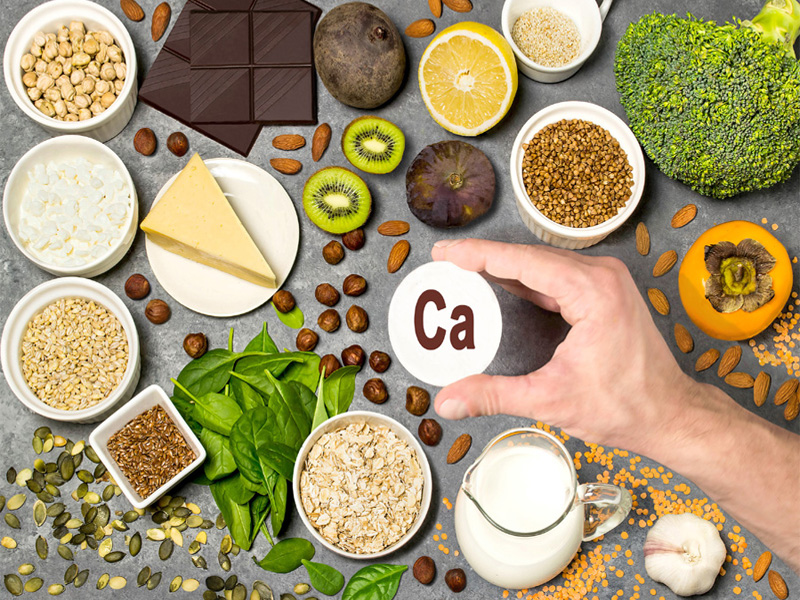
Calcium plays different important roles in the body. Here are some of these roles:
-
Improving bone health:
99% of the calcium in the human body is found in the bones and teeth. Calcium is essential for bone growth and development.
Calcium keeps helping bones grow even after growth stops. It also helps keep bones strong and slows down bone density loss, which is normal with aging.
Women who have gone through menopause can lose bone density faster. So, they are more likely to get osteoporosis. Doctors may then suggest taking calcium supplements.
-
Regulating muscle contractions:
Calcium helps control muscle contractions. When a nerve triggers a muscle, the body releases calcium. That calcium helps muscle proteins do the contracting.
-
Heart and blood vessel health:
Calcium plays key roles in blood clotting. Blood clotting is a complex process with several steps. These steps involve many chemicals, including calcium.
Calcium also helps the heart muscle work. It relaxes the smooth muscles around blood vessels. Many studies suggest a possible link between high calcium intake and lower blood pressure.
-
Some other roles:-
Calcium helps many enzymes. Some enzymes can't work without calcium. Some studies said getting enough calcium may lead to:-
-
Lower risk of problems like high blood pressure, especially during pregnancy.
-
Improving cholesterol levels in the blood.
-
Lower risk of non-cancerous tumors, like colon and rectal cancer.
-
Lower blood pressure in young people.
-
Recommended daily doses of calcium :-

According to reliable sources, people need specific daily doses of calcium based on age as follows :-
| 0 - 6 months | 200 mg |
| 7 - 12 months | 260 mg |
| 1 - 3 years | 700 mg |
|
4 - 8 years |
1000 mg |
| 9 - 18 years | 1300 mg |
| 19 - 50 years | 1000 mg |
| 51 - 70 years | 1000- 1200 mg |
| 71 years and older | 1200 mg |
Pregnant women need 1000-1300 mg.
Some groups may be recommended by doctors to take extra calcium, including:
-
Women at the start of menopause.
-
Stopping periods because of anorexia or excessive exercise.
-
People who are lactose intolerant.
-
People who follow a vegetarian diet.
-
Calcium deficiency :-

Some health conditions and lifestyle habits can lead to low calcium levels in the body, known as hypocalcemia, which include :-
-
Eating disorders.
-
Bulimia and anorexia.
-
Exposure to mercury.
-
Excessive magnesium intake.
-
Long-term use of laxatives.
-
Long-term use of some drugs, like chemotherapy.
-
Lack of parathyroid hormone.
-
Some cancers.
-
Some surgeries, like stomach removal.
-
Kidney failure.
-
Pancreatitis.
-
Low vitamin D levels.
-
Low phosphate levels.
The body can lose some calcium through sweat, urine, and stool. So eating foods that promote these processes can help lower calcium levels in the body.
-
Calcium supplements :-

Doctors might recommend calcium supplements for people with calcium deficiency. So there are some guidelines to follow if you want to take calcium supplements, which include :-
-
First check with your doctor to see if you need supplements.
-
Follow the amount your doctor advises.
-
Take the supplements with food for best absorption and fewer side effects.
-
Take the supplements spaced out, usually two to three times a day.
-
Taking calcium supplements to increase calcium levels by about 300 mg daily on average.
-
Risks of calcium supplements:

Experts agree it's better to get nutrients like calcium from natural food sources, but some people can't get enough through food and turn to supplements.
Some studies have found that calcium supplements may have several side effects, including:
-
Bloating.
-
Gas.
-
Constipation.
High calcium levels can cause more serious problems, like:
-
Kidney problems.
-
Calcification of soft tissues and blood vessels.
-
Kidney stones.
-
Chronic constipation.
-
Reduced iron absorption.


