There are many psychological and spiritual benefits gained by fasting in Ramadan through rituals of sacrifice, self-discipline, empathy, and more. But in this article, we will focus on the physiological benefits that matter to your health and what fasting in the holy month can bring you.
-
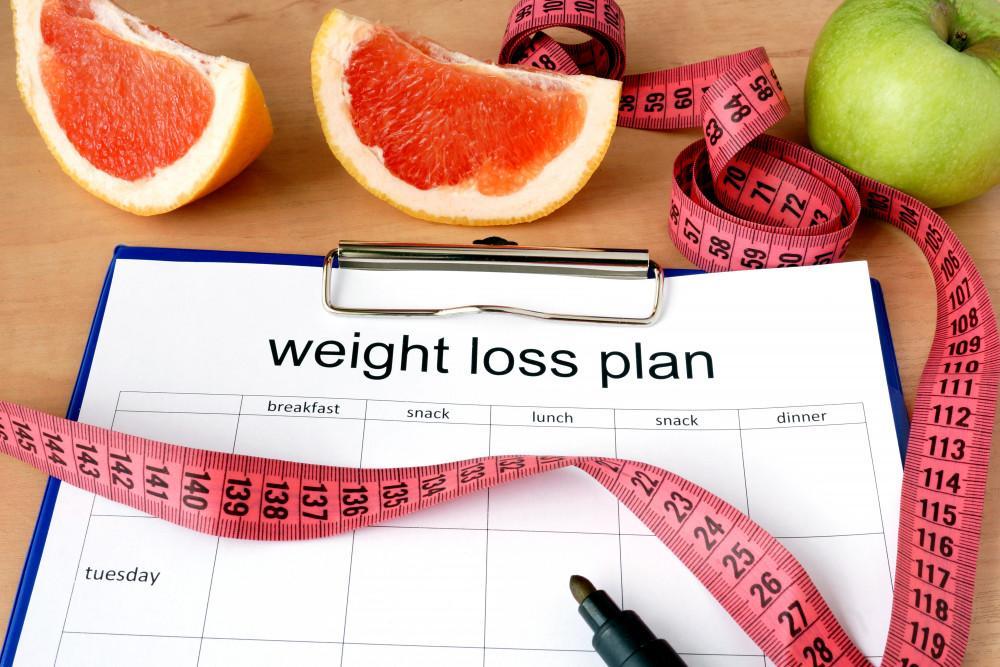
Weight loss:

You can make Ramadan a great chance to lose weight since you'll skip many meals you would usually have.
During Ramadan, since you rely on only two meals, this can help reduce your calorie intake and lead to weight loss.
Experts say that by following healthy diets during Ramadan and cutting down meals and calories, you can lose about 5 pounds during the month with a chance to keep it off long term.
-
Lower blood sugar levels:

One key immediate result of fasting you can get is lower blood sugar levels, which can also reduce cholesterol and blood pressure. All this helps your heart stay healthier and cuts the risk of heart and vascular diseases.
-
Cleansing the body from toxins:

By fasting and not eating or drinking during the day, your body gets a chance to naturally detox. So fasting gives your whole body, especially your digestive system, a chance to cleanse itself.
-
Appetite reduction:

When you fast all day, you might think you'll eat a lot at iftar, but you might be surprised how much less food you actually eat while still feeling full, unlike what you expected.
So during Ramadan many people notice a clear drop in appetite, which is really important to help you restructure your relationship with food, control how much you eat, and reduce overeating.
-
Improving metabolic (metabolism) processes:

Skipping meals during the day can help make your metabolism work better. Giving your digestive system a break makes it function better and helps it process the nutrients from food more efficiently.
•How to stay healthy during the blessed month of Ramadan?

There are many tips and guidelines you should follow to stay safe and healthy while fasting during Ramadan, they are:-
- Don’t skip the suhoor meal:- Since suhoor is the meal that will fuel your body for the whole fasting day, you should not skip it or miss it. You should eat nutritious, energy-packed foods during this meal.
- Eat balanced meals:- Since you only have two meals a day, you should try as much as possible to balance them so that your meals include all the nutrients your body needs to stay healthy. So your meals should have complex carbs and protein-rich foods.
- Drink plenty of fluids:- It is usually advised to drink 8 cups of water during the day to avoid dehydration, so you should try your best to drink this amount between iftar and suhoor, along with eating fruits that have a lot of water and having soup.
- Cut down on processed foods:- Make Ramadan a chance for you to quit fast and processed foods that have refined carbs like sugar and white flour. They don't have many nutrients and won't give your body energy and nutrition.
- It's recommended to break your fast with dates:- Break your fast with dates and water. This small meal has lots of carbs and fiber that help digestion and is full of potassium, magnesium, and vitamin B. It gives you just the right energy after a long fasting day.