The body needs many different essential nutrients to work well and stay balanced, and minerals are among the most important of these nutrients, including the mineral manganese.
In this article, we will learn what manganese is, its benefits for the body, how to get it, and the recommended daily doses.
What is manganese?

Dietary manganese is a trace mineral found in small amounts in the body. It’s an essential nutrient needed for the body to work right. Most of it is in the bones, pancreas, liver, and kidneys.
You can get the recommended daily amounts of manganese by eating a balanced and flexible diet. You can also get it from supplements, but taking more than the usual recommended amount is not necessary because too much manganese from supplements can cause poisoning.
What are the health benefits of manganese?

Manganese has many important health benefits for the body, which can include the following:-
-
Manganese is essential for producing many enzymes and antioxidants that fight free radicals and protect against many chronic diseases, like cancer, type 2 diabetes, and heart diseases.
-
Manganese helps in the processes of metabolism for carbs and fats.
-
Manganese supports nervous system health andbrain functions, plus it protects against age-related cognitive decline.
-
Manganese plays a role in glucose metabolism glucose, so it helps improve blood sugar levels and glucose tolerance in both diabetic and non-diabetic people.
-
Manganese supplements may help treat some medical conditions, and could be effective for people witharthritis or osteoporosis.
-
Manganese given by IV is used with minerals zinc andselenium to help people with chronic obstructive pulmonary disease breathe on their own.
What are the recommended daily doses of manganese?

The recommended daily doses of manganese for women vary by age and condition as follows:
| Age / Condition | Daily Dose |
| 1 - 3 years | 1.2 milligrams |
| 4 - 8 years | 1.5 milligrams |
| 9 - 18 years | 1.6 milligrams |
| 19 years and older | 1.8 milligrams |
| Pregnant women | 2.0 milligrams |
| Women who are breastfeeding | 2.6 milligrams |
What are the dietary sources of manganese?

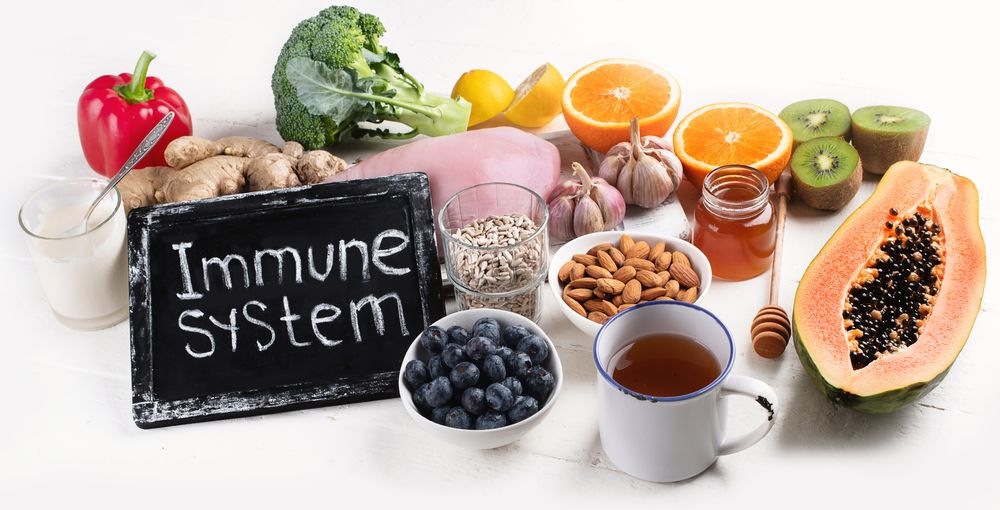
Eating a diet with a variety of plant-based foods gives a lot of manganese, so a deficiency is unlikely.
Foods rich in manganese that can meet daily needs in one meal include:
-
Pineapple Raw or pineapple juice.
-
Chia seeds and sesame seedsFlax seeds andSunflower seeds and pumpkin seeds.
-
Spinach andSwiss chard Swiss and kale greens and turnip.
-
Oats.
-
Berries andStrawberries.
-
Soybeans Tofu and tempeh.
-
Seafood like mussels, oysters, andshrimp.
-
Whole wheat bread.
-
Spices like cinnamon, cloves, black pepper, and turmeric.
-
Beans andblack beans andpinto beans.
-
Manganese deficiency

Not getting the daily recommended amount of manganese is rare, since most diets can meet the body's daily needs. Still, deficiency can happen. It causes some symptoms including:-
-
Poor body growth.
-
Low endurance Glucose.
-
Impaired fat and carb metabolism.
-
Bone and skeletal deformities.
-
Infertility problems.
-
Seizures.
Manganese deficiency is often seen in kids on full IV nutrition, like tube feeding.
You can get plenty of manganese from both plant and animal foods to meet daily needs, so the worry is more about getting too much than too little.
-
Manganese Poisoning

Eating too much manganese can cause manganese poisoning. The US National Academies of Sciences, Engineering, and Medicine say adults should not get more than 11 mg a day, and teens and youth no more than 9 mg a day.
Too much manganese may interfere with the body’s ability to absorb iron from food. Also, more than 11 mg of manganese a day might cause thinking problems.
The main ways people get manganese poisoning are by breathing in manganese dust from welding and melting, and drinking water contaminated by dry cell batteries.
Source of the article :- 1.