Getting the minerals your body needs for health is one of the main reasons your body carries out all vital functions. Iodine is one of these important minerals. The body needs iodine for many processes like regulating the thyroid gland. In this article, we will learn about iodine, its health benefits, the recommended daily amounts, and how to get it.
-
What is iodine?
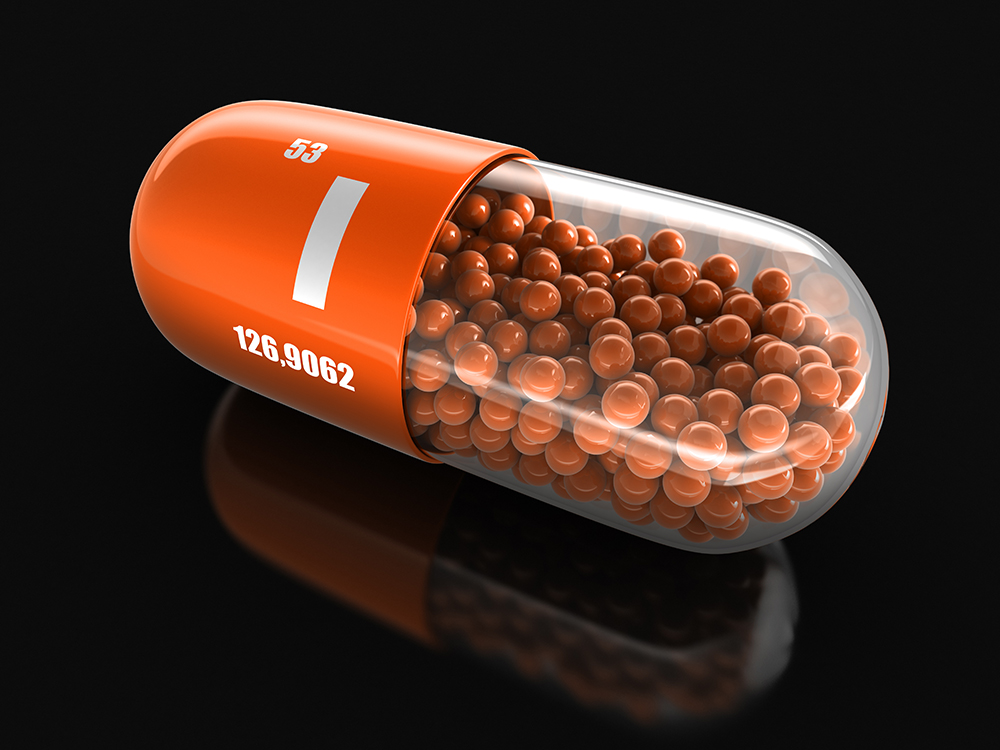
Iodine is a mineral found naturally in the earth's soil and ocean water. Many salty waters and plant foods contain some iodine. This mineral is especially available in iodized salt.
It’s important to get enough iodine through your daily diet by including iodine-rich foods. This mineral helps regulate hormones, fetal development, and other vital functions. If your iodine levels are low, your doctor may suggest iodine supplements.
-
Food sources of iodine:

Iodine is mostly found in foods with animal protein and seaweed. It’s also in smaller amounts in fortified foods like bread, cereals and milk. Here's a list of foods that have iodine:-
-
seaweed.
-
fish and shellfish from saltwater.
-
iodized salt.
-
milk and dairy products.
-
eggs.
-
meat.
-
poultry.
You can get the daily recommended amounts of iodine from your daily diet without needing any supplements.
-
Daily recommended amounts of iodine mineral are:

The recommended amounts of iodine depend on age. The NIH gives the following iodine amounts by age:
| Age | Recommended amount |
| 0 - 6 months | 110 micrograms |
| 7 - 12 months | 130 micrograms |
| 1 - 8 years old | 90 micrograms |
| 9 - 13 years old | 120 micrograms |
| 14 and up | 150 micrograms |
| Pregnant women | 220 micrograms |
| Breastfeeding women | 290 micrograms |
-
The health importance of iodine:
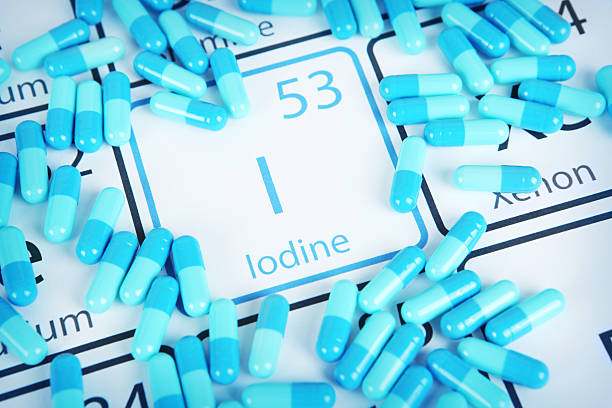
Iodine is an essential mineral for the body. It's especially important during pregnancy. Exposure to it in the womb can prevent some health issues later in life. Here are some key uses and benefits of iodine for the body :-
-
Boosting thyroid health:
Iodine plays a vital role in health The thyroid gland, where the thyroid gland helps regulate hormone production, these hormones control metabolism, heart health and more.
The thyroid gland needs iodine to produce hormones, and without iodine thyroid hormone production can drop, which can cause a health condition known as hypothyroidism.
While iodine boosts thyroid health, large amounts of iodine can also have negative effects on the thyroid, so you shouldn't take thyroid supplements without consulting a doctor.
-
Managing hyperthyroidism :-
The doctor may recommend a special type of iodine called radioactive iodine to treat hyperthyroidism thyroid gland, this medicine is taken orally and is used to destroy excess thyroid cells to help reduce excess thyroid hormone levels.
The danger of radioactive iodine lies in its ability to destroy many thyroid cells. This can cause thyroid failure. That’s why radioactive iodine is usually used only after thyroid drugs fail.
Radioactive iodine can also be a treatment option for thyroid cancer. It works the same way as treating overactive thyroid gland, when taken by mouth, the drug destroys thyroid cells, including cancer cells. It can be used after thyroid surgery to make sure all the cancer cells are removed from the body.
-
Nervous system development during pregnancy :-
If you’re pregnant, you definitely need more iodine. Taking iodine during pregnancy is linked to fetal brain growth. A study found that kids whose moms had iodine deficiency during pregnancy were more likely to grow up with lower IQ and other mental issues.
The recommended daily iodine intake during pregnancy is 220 micrograms, compared to 150 micrograms daily for non-pregnant adults.
You’ll also need to watch iodine amounts during breastfeeding. The daily recommended iodine intake during breastfeeding is 290 micrograms because iodine you get from food passes into breast milk and to the baby.
-
Improving cognitive functions:
The neurological benefits of iodine during pregnancy might extend to healthy brain functions in childhood, also including reducing the risk of mental disability.
Like brain growth, iodine during pregnancy links to healthy birth weight. One study found pregnant women with thyroid swelling taking 400 mcg of iodine daily helped fix iodine-deficiency thyroid swelling, and babies had overall better birth weights.
-
Treating infections:
Iodine can be used topically as a liquid to help treat and prevent infections, as it kills bacteria in minor wounds and scratches.
-
Disinfecting water:
Iodine is a way to disinfect water, which can be especially useful if you can't get clean drinking water because of travel or after a natural disaster.
You can add liquid iodine 2% at 5 drops per liter of clear water. if the water is cloudy, add 10 drops.
-
Symptoms of getting too much iodine in the body :-

There are some possible side effects from taking too much iodine, which include:-
-
Nausea and vomiting.
-
Diarrhea.
-
Fever.
-
Burning in the throat and mouth.
-
Stomach pains.
In severe cases, large amounts of iodine can cause iodine poisoning, which might lead to coma. So don't take iodine if you have a thyroid condition unless a doctor says so.
-
Symptoms of iodine deficiency in the body :-

Iodine deficiency can be diagnosed through urine tests, Signs of low iodine levels mainly show up as thyroid symptoms like :-
-
noticeable thyroid swelling.
-
pain in the thyroid when touched.
-
breathing problems especially when lying down.
-
difficulty swallowing.
And there are some other symptoms, Which include:-
-
Fatigue.
-
Feeling very cold despite normal temperatures.
-
Hair loss.
-
Depression.
-
Unintentional weight gain.