Minerals are some of the most important nutrients that the body needs in the right amounts so it can work healthy and balanced. They help the body do daily activities easily. One of the most important minerals to get is phosphorus. In this article, we will learn about the importance of phosphorus, its health benefits, and how to get it through diet.
-
What is phosphorus? :-

Phosphorus is the second most abundant mineral in the human body after calcium. The body needs phosphorus for many functions, like filtering waste and repairing tissues and cells.
You can get enough phosphorus for your body from your daily diet. So it’s common to have plenty of phosphorus in the body rather than a lack. Kidney diseases or eating too much phosphorus can raise phosphorus levels in the body.
Other health issues like diabetes and some medicines can cause a big drop in phosphorus levels. Both high and low phosphorus levels can cause health problems like heart disease and joint pain.
-
The importance of phosphorus in the body :-

Our bodies need phosphorus for a lot of things like:
-
Keeping bones healthy and strong.
-
Phosphorus is used to make energy.
-
Phosphorus helps move muscles.
-
Phosphorus manages how the body stores and uses energy.
-
Phosphorus reduces muscle pains after workouts.
-
Phosphorus helps filter waste in the kidneys.
-
Phosphorus helps tissues and cells grow and stay healthy.
-
Phosphorus is involved in producing both DNA and RNA nucleic acids.
-
Phosphorus helps keep the heartbeat regular.
-
Phosphorus makes nerve signals easier to send.
-
Foods that contain phosphorus include:

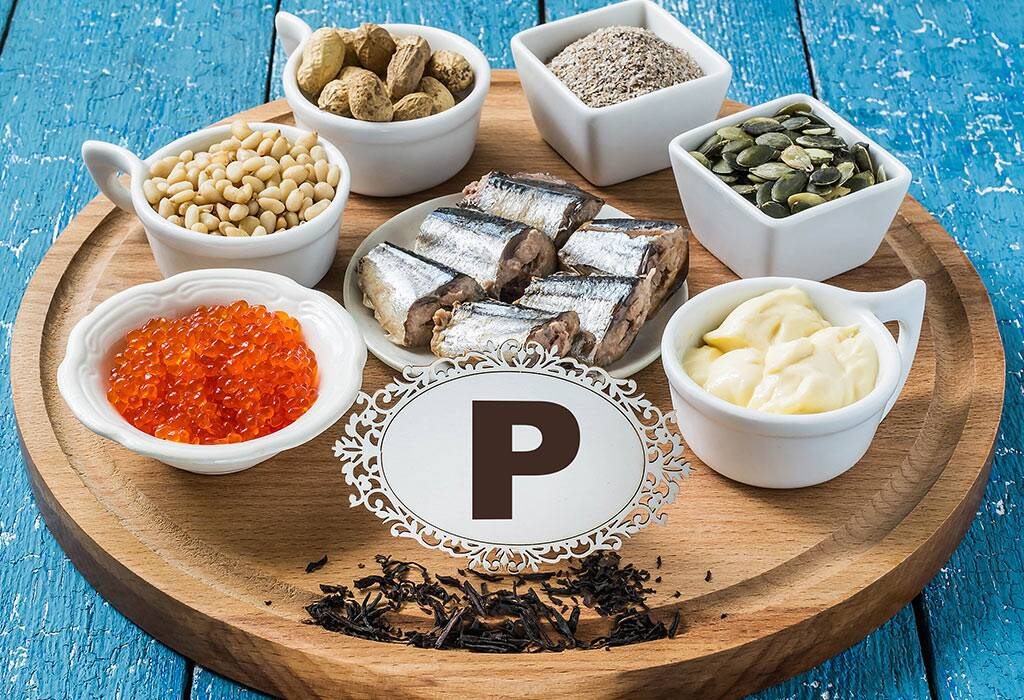
You can get phosphorus from your diet, since many foods have it, especially protein-rich ones, which include :-
So when your daily diet has enough protein and calcium rich foods, you could be getting enough phosphorus too. That's because foods high in calcium usually have high phosphorus too.
There are also some non-protein food sources that can provide high amounts of phosphorus, which include :-
-
Dried fruit.
-
Recommended daily amounts of phosphorus :-

The daily amounts the body needs depend on age. Adults need less phosphorus than those aged 9 to 18 years. They need more phosphorus than kids under 8 years.
Here are the recommended daily amounts of phosphorus according to Health line :-
| From 0 to 6 months | 100 mg |
| From 7 to 12 months | 275 mg |
| 1 - 3 years | 460 mg |
| 4 - 8 years | 500 mg |
| 9 - 18 years | 1250 mg |
| 19 and above | 700 mg |
People can get enough phosphorus from their daily diet, only a few might need to take supplements dietary phosphorus to make up for any shortage they have.
-
Risks of too much phosphorus in the body :-
When phosphorus levels are high in the body, it can cause many health problems. Too much phosphorus can be toxic. It can cause diarrhea, hardening of organs, and hardening of soft tissues.
High phosphorus can affect the body's ability to use other minerals effectively, like iron andcalcium andmagnesium andzinc, phosphorus can also combine with calcium, causing mineral deposits in the muscles.
It's worth mentioning that having a lot of phosphorus in the blood is rare. This usually happens only in people with health issues, like kidney problems, or those who have trouble regulating calcium in their bodies.
-
Risks of low phosphorus levels in the body:

Even though you can get enough phosphorus from your daily diet, some people might have low phosphorus in their blood because of certain drugs that lower phosphorus levels like:
-
Insulin.
-
ACE inhibitors.
-
Corticosteroids.
-
Antacids.
-
Anticonvulsants.
Some symptoms of low blood phosphorus can include:
-
Joint and bone pain.
-
Loss of appetite.
-
Irritation or anxiety.
-
Fatigue.
-
Weak bone growth in children.