Getting minerals is essential for the body's health. To perform different vital functions, the body needs important minerals like potassium to keep it healthy and balanced. In this article, we will learn about this important mineral, its health benefits, and how to get it.
-
What is potassium? :-

Potassium is an electrolyte because it reacts strongly when dissolved in water, producing positive ions. This process helps conduct electricity, which is key for many body functions like fluid balance, nerve signals, and muscle contractions.
The body can't make potassium, so you have to get it from food. About 80% of potassium is inside cells, and 20% is in bones, liver, and red blood cells. Once potassium enters the body, it turns into an electrolyte.
-
Dietary sources of potassium:-
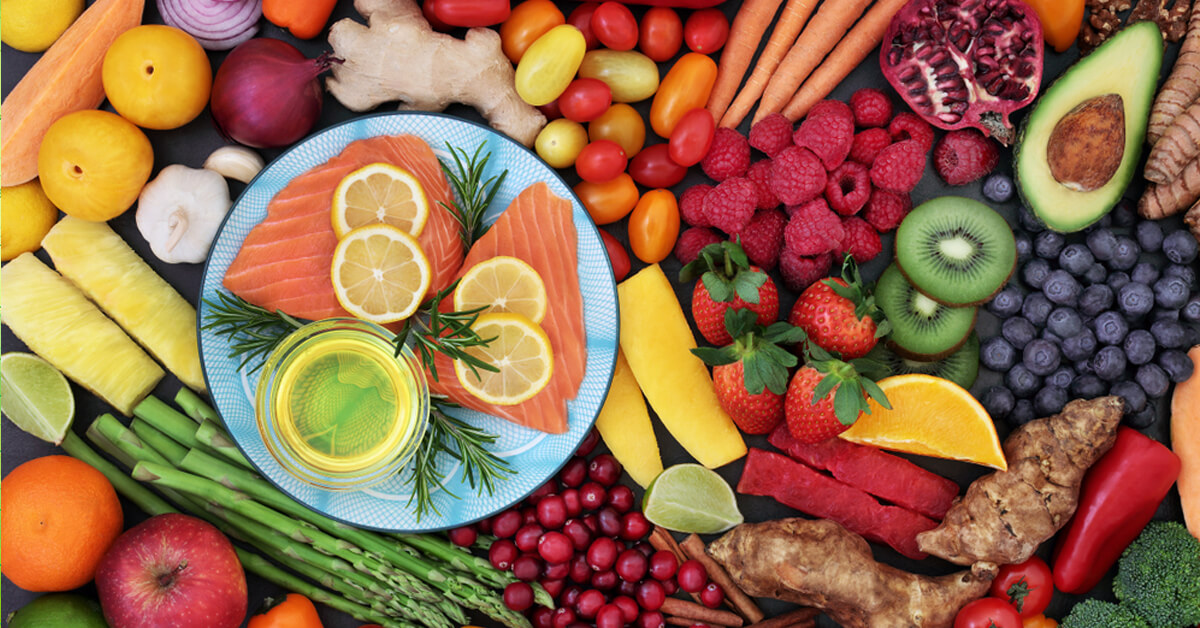
People can get the recommended potassium amounts from a balanced diet. Potassium is abundant in many food items.
Most health organizations agree on the daily recommended amounts of potassium, estimated at about 3500 - 4700 mg, which is considered the ideal amount. There are many food items you can include in your daily diet to get these amounts, including:-
-
Fruits:- like apricots, kiwi, bananas, oranges, and pineapples.
-
Vegetables:- like leafy greens carrots, andpotatoes.
-
Fish:- such as Salmon.
Most people get enough potassium through a balanced diet, but for those with low potassium levels, it might be supplements potassium is a solution, but only with a doctor's prescription.
-
Potassium health benefits :-

Following a diet rich in potassium is linked to many important health benefits, which may include :-
-
helping to lower blood pressure :-
Blood pressure is blood pressure one of the risk factors for gettingheart diseases, which is the leading cause of death worldwide, so a diet rich in potassium might help reduce blood pressure by helping the body get rid of Sodium excess.
High sodium levels can lead to high blood pressure, especially in people who have high blood pressure.
-
Protection from strokes :-
A stroke happens when there's not enough blood flow to the brain. Many studies have found that eating a diet high in potassium can help prevent strokes.
Scientists found that people who ate more potassium had a 24% lower risk of stroke than those who ate less.
-
Helps prevent osteoporosis :-
Osteoporosis is mostly linked to low calcium mineral levels, which is important for bone health. But studies show that a diet rich in potassium might help prevent it Osteoporosis, by reducing how much calcium the body can lose through urine.
-
Preventing kidney stones :-
Kidney stones are clumps of substances that may form in urine, and calcium is a common mineral in kidney stones. Many studies show potassium citrate lowers calcium levels in urine.
So this way potassium may help fight kidney stones. Many fruits and veggies have potassium citrate, so it’s easy to add to your diet.
-
Reducing water retention:
Water retention happens when extra fluids build up inside the body. Potassium is used to treat this. Many studies show that eating a lot of potassium can reduce water retention by making you pee more and lowering sodium levels.
-
Risks of low potassium levels in the blood:
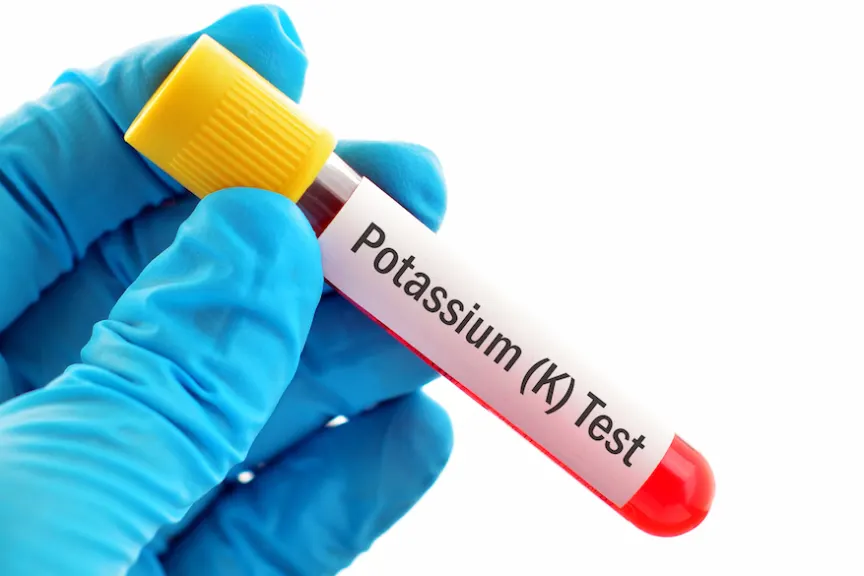
Some conditions can cause low potassium, also called hypokalemia, These include :-
-
Kidney diseases.
-
Overusing diuretics.
-
Heavy sweating, diarrhea, and vomiting.
-
Deficiency Magnesium.
-
Using antibiotics like penicillin.
Potassium deficiency symptoms vary with how severe it is. A temporary lack, like from heavy sweating during hard workouts, doesn’t cause symptoms. Potassium levels just bounce back to normal after a meal or drink with potassium, without any harm.
But serious potassium deficiency can be life threatening, Potassium deficiency symptoms include :-
-
Extreme tiredness and fatigue.
-
Muscle cramps, weakness, or spasms.
-
Irregular heartbeats.
-
Constipation, nausea, and vomiting.
Potassium deficiency is usually treated with potassium supplements, and the supplements work if your kidneys are healthy. Severe potassium deficiency might need IV treatment. Your doctor can advise you on that.
-
Risks of high potassium levels in the blood :-

Too much potassium can cause high blood potassium, which is rare in people who eat balanced diets but still possible. Factors that increase blood potassium include :-
-
Taking lots of potassium supplements.
-
Kidney diseases.
-
Using diuretics.
-
Chemotherapy.
-
Severe burns.
The most obvious symptom of high potassium is irregular heartbeats, and severe cases can lead to death.
People with mild high potassium rarely show noticeable symptoms.
A flexible and balanced diet provides enough different nutrients your body needs to stay healthy and balanced, and one of the most important nutrients is potassium.
Article source:- 1