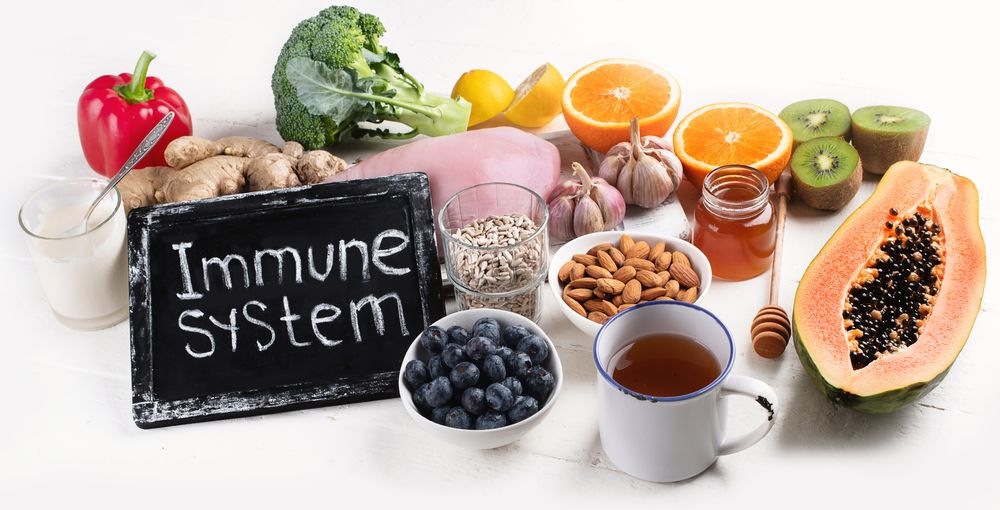
Vitamin D is one of the most essential vitamins your body needs. It's needed for good health and to keep your bones strong. Vitamin D is fat-soluble and is also known as the sunshine vitamin because the skin benefits from vitamin D through sunlight. Vitamin D is also in some foods and you can get it as dietary supplements.
-
Health benefits :-

Vitamin D's main job is to help the body absorb calcium and phosphorus in the small intestine. Calcium is essential for bone health, strengthening, cell functions, organ functions, and muscle functions.
People with vitamin D deficiency can have soft and weak bones, and it can lead to osteoporosis in adults and rickets in kids.
Many studies show vitamin D is important for bone strength, especially in people dealing with osteoporosis, but on the other hand, there are promising studies about the role of vitamin D in fighting other diseases beyond bone disorders. Here are some diseases and the importance of vitamin D in facing them :-
-
Heart health :-
According to a study that checked vitamin D levels in the blood of over 18000 healthy men, followed for 10 years, men with vitamin D deficiency were twice as likely to get heart disease compared to men with enough vitamin D.
-
Cancer :-

Some early studies suggest that higher intake of vitamin D and calcium might be linked to lower cancer risks, especially colon and rectal cancer, although it's hard to separate the effects of vitamin D and calcium because vitamin D affects calcium levels.
An analysis published in the American Journal of Preventive Medicine showed people with the highest vitamin D levels had a 50% lower risk of colon and rectal cancer compared to those taking lower doses of vitamin D.
-
Influenza and colds :-

The flu virus causes most illnesses in winter, which made some researchers think flu may be linked to vitamin D levels, as vitamin D is lowest in winter.
Researchers also found that people with low vitamin D levels are more likely to get respiratory diseases.
-
Weight loss :-

There is plenty of evidence showing the link between vitamin D levels and lower obesity in women. According to a study published in Nutrition Journal, women who are overweight or obese took 1000 IU of vitamin D for 12 weeks and saw a drop in body fat compared to those who didn't take it.
Besides the possible health benefits mentioned earlier, people take vitamin D to treat a wide range of conditions including :-
-
Multiple sclerosis.
-
Preventing tooth decay and gum disease.
-
Skin problems like psoriasis, acne, eczema.
-
Fatigue and low energy.
-
Pain, back pain, knee pain, nerve damage.
-
Mood disorders including depression and seasonal affective disorder.
-
Autoimmune disorders like diabetes, rheumatoid arthritis, and colitis.
-
Thyroid and kidney diseases.
-
Side effects of too much vitamin D intake :-

Vitamin D is a fat-soluble vitamin, so if taken in excess, it can build up in the body and cause toxic effects, unlike vitamin C and other water-soluble vitamins. Though it can take months or even years of buildup to reach toxic levels, it can happen.
Taking large amounts of vitamin D can raise calcium levels in the blood, causing hypercalcemia. This can lead to calcium deposits in soft tissues like lungs and heart, kidney damage, kidney stones, nausea, vomiting, constipation, weight loss, and loss of appetite.
You should not take vitamin D and calcium with diuretics as they might increase calcium levels in the body.
People with low parathyroid function may be more at risk of high blood calcium levels when taking vitamin D.
-
Dose :-

US medical institutes' vitamin D intake recommendations vary by age group as follows :-
-
From birth to 1 year :- 400 IU (10 micrograms).
-
From 1 year to 70 :- 600 IU (15 micrograms).
-
Over 70 :- 800 IU (20 micrograms).
-
Pregnant and breastfeeding women :- 600 IU (15 micrograms).
-
Sources of vitamin D :-

The main source of vitamin D is the sun. You should get 10 to 15 minutes of sun exposure at least twice a week. The American Academy of Dermatology advises getting vitamin D from foods and supplements instead of UV sunlight to avoid skin cancer risk.
-
Vitamin D in foods :-

There are many foods rich in vitamin D like certain types of fatty fish (herring, mackerel, salmon, tuna, sardines). Egg yolks, cheese, and beef liver also provide smaller amounts of vitamin D.
Although only a few foods naturally have vitamin D, many common foods are often fortified with vitamin D like milk, breakfast cereals, soy milk, rice milk, yogurt, and orange juice.
-
Vitamin D supplements :-

Vitamin D supplements come in many forms you can get like capsules, gummies, liquids, chewable tablets. If you need vitamin D supplements or follow a diet low in vitamin D, you can take supplements.
You should note that the safety of supplements is not confirmed for pregnant or breastfeeding women, children, and people with medical needs. So, get advice on supplements from your doctor first.
-
People most at risk of vitamin D deficiency :-

Some groups of people are more likely to have vitamin D deficiency. So check if you are one of these people, including:
-
People who get limited sun exposure.
-
People who have darker skin color.
-
People who can't absorb fats properly.
-
People who are severely obese.
-
Babies who are only breastfed can't get enough vitamin D just from breast milk.