

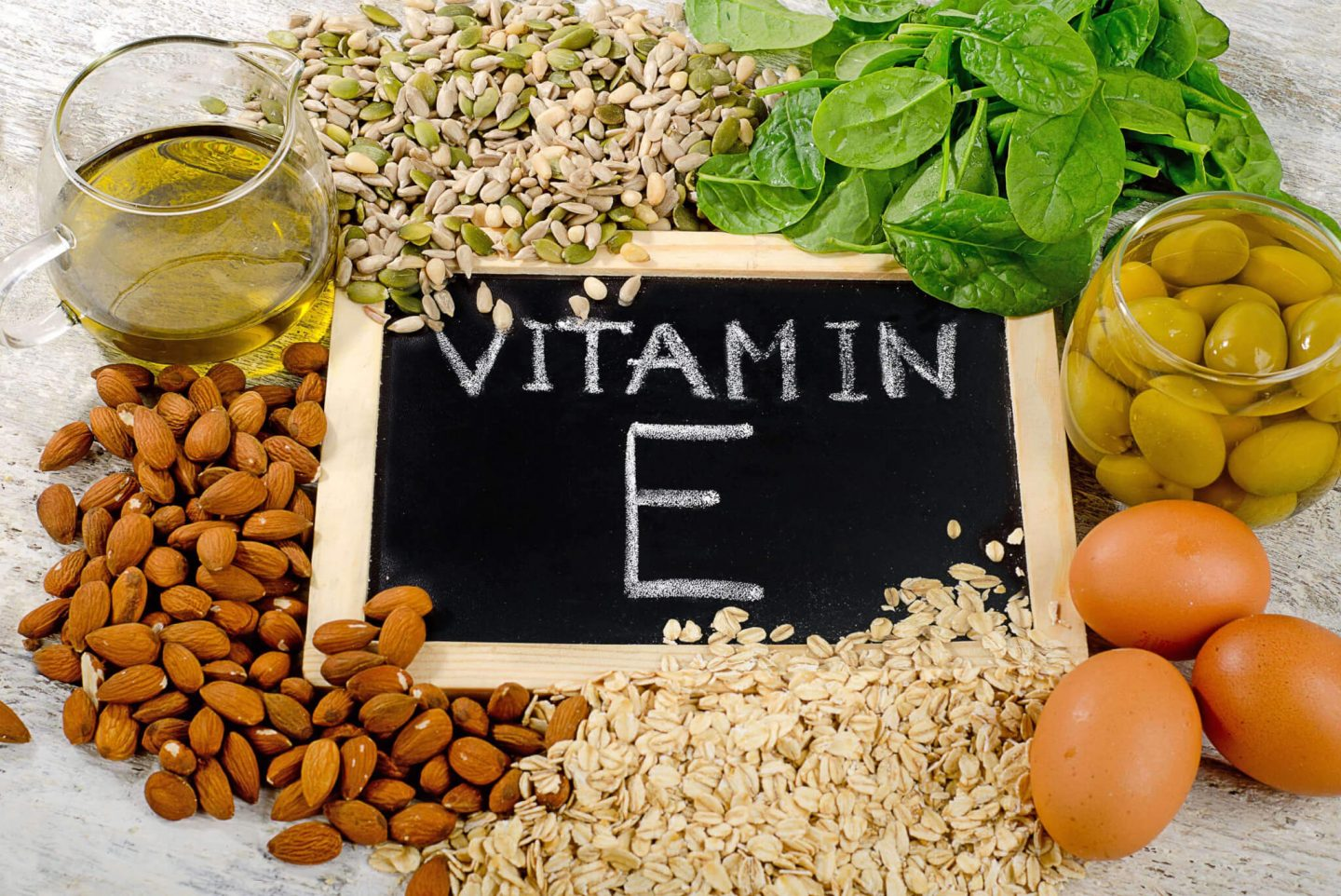
Getting vitamins is important for your body to stay healthy and do essential life functions. These vitamins also give many important health benefits. Vitamin E is one of these key vitamins your body needs from food to stay healthy. In this article, we'll learn about the health benefits of vitamin E, the recommended daily amounts, and how to get it.
-
What is vitamin E?

Many think vitamin E is just one compound, but actually, it is a group of eight fat-soluble compounds with strong antioxidant effects.
Vitamin E naturally occurs in some foods like seeds and nuts vegetables, and some fortified products. It can also be taken as Supplements Nutritional, Vitamin E is known for many roles in the body, mostly for its antioxidant effects that protect cells from damage. It's also crucial for immune functions, cell signaling, and more.
-
Foods rich in Vitamin E or E :-

The diet is the main and preferred source of Vitamin E. You can find it in many vegetable oils, which come from nuts and seeds, some veggies, some fruits, Here are some food options rich in Vitamin E or E :-
-
Wheat germ oil.
-
Sunflower seeds Roasted.
-
Almonds Roasted.
-
Spinach Boiled.
-
Broccoli Boiled.
-
Pepper Red.
-
Kiwi.
-
Mango.
-
Egg.
-
Daily recommended amounts for vitamin E intake:-
According to the NIH, daily recommended amounts of vitamin E depend on age and some health conditions asPregnancy andbreastfeeding, which is as follows :-
| 0 - 6 months | 4 mg |
| 7 - 12 months | 5 mg |
| 1 - 3 years | 6 milligrams |
| 4 - 8 years | 7 milligrams |
| 9 - 13 years | 11 milligrams |
| 14 and above | 15 milligrams |
| Pregnant women | 15 milligrams |
| Breastfeeding women | 19 milligrams |
Vitamin E deficiency in healthy people is rare, but some might have low daily vitamin E levels.
-
Health benefits of vitamin E or E:-
Vitamin E and its supplements may have many important health benefits, which may include :-
-
Reducing signs of oxidative stress:
Oxidative stress happens when there is an imbalance between the body's antioxidant defenses and buildup of compounds called reactive oxygen species ROS. This can damage cells and raise disease risk.
Since vitamin E works as a strong antioxidant in the body, studies show that taking high doses of vitamin E can reduce signs of oxidative stress and boost antioxidant defenses.
-
Reducing risk factors for heart disease:
High blood pressure and high blood fat levels like cholesterol bad LDL and triglycerides can increase the risk of heart disease.
Research shows that Supplements Vitamin E might help reduce risk factors for heart disease in some people. Some reviews found that E supplements can significantly lower high systolic blood pressure.
Some studies also show that taking Vitamin E with Omega-3 fatty acid supplements, might lower LDL and triglyceride levels in people with metabolic syndrome Metabolism.
-
Helps people with non-alcoholic fatty liver disease:-
Includes disease Non-alcoholic fatty liver disease There are several cases that cause fat buildup in the liver, and according to many studies, vitamin E supplements may improve some aspects for people with non-alcoholic fatty liver disease.
-
Helps manage menstrual pain:
Menstrual pain is a condition with painful periods that are severe and frequent, like cramps and pelvic pain. Research shows vitamin E supplements may reduce pain for women with this condition.
-
Other benefits:
There are other benefits that vitamin E has, Which include :-
-
May benefit health Skin, as vitamin E supplements might help those with certain skin conditions like eczema.
-
May help older people, since vitamin E plays important roles in health like reducing inflammation and boosting immune functions.
-
Can improve lung function and reduce asthma symptoms in kids and adults.
-
People at risk of vitamin E deficiency or low levels :-
Though vitamin E deficiency is rare in healthy people who get enough from their daily diet, some still have low vitamin E levels, especially those with medical conditions that cause poor fat absorption, like cystic fibrosis and Crohn’s disease.
Also, people with some genetic diseases like lipoprotein issues are more likely to have deficiencies.
And people at risk of anorexia nervosa, can also have vitamin E deficiency due to poor nutrition.
People with vitamin E deficiency can take vitamin E supplements to make up for it, but only under a doctor's supervision. This is because vitamin E supplements can raise levels too much, leading to health risks like prostate cancer, bleeding risk, and even death.
A flexible, balanced diet is the best way to get enough micronutrients, including vitamins like vitamin E, so your body works in good health.
Article sources :- 1.


