


Healthy cholesterol levels in the blood and how to reduce harmful levels, good heart health is the foundation for good health in the rest of the body, so you always need to worry about cholesterol levels in your blood since it's a main cause of heart and blood vessel diseases So in this article, we'll learn what cholesterol is, what healthy blood cholesterol levels are, and how to lower unhealthy levels.
-
What is cholesterol? :-

Cholesterol is a fatty substance made by the liver and also found in some foods. The body needs cholesterol to work right but having too much bad cholesterol, LDL, puts you at risk of heart attacks or strokes. According to the CDC, high blood cholesterol raises the risk of heart disease.
You can check total blood cholesterol by measuring the total amount of cholesterol in the blood, which consists of :-
-
Low-density lipoproteins LDLs.
-
High-density lipoproteins HDLs.
-
Triglycerides.
-
Low-density lipoproteins LDLs:-
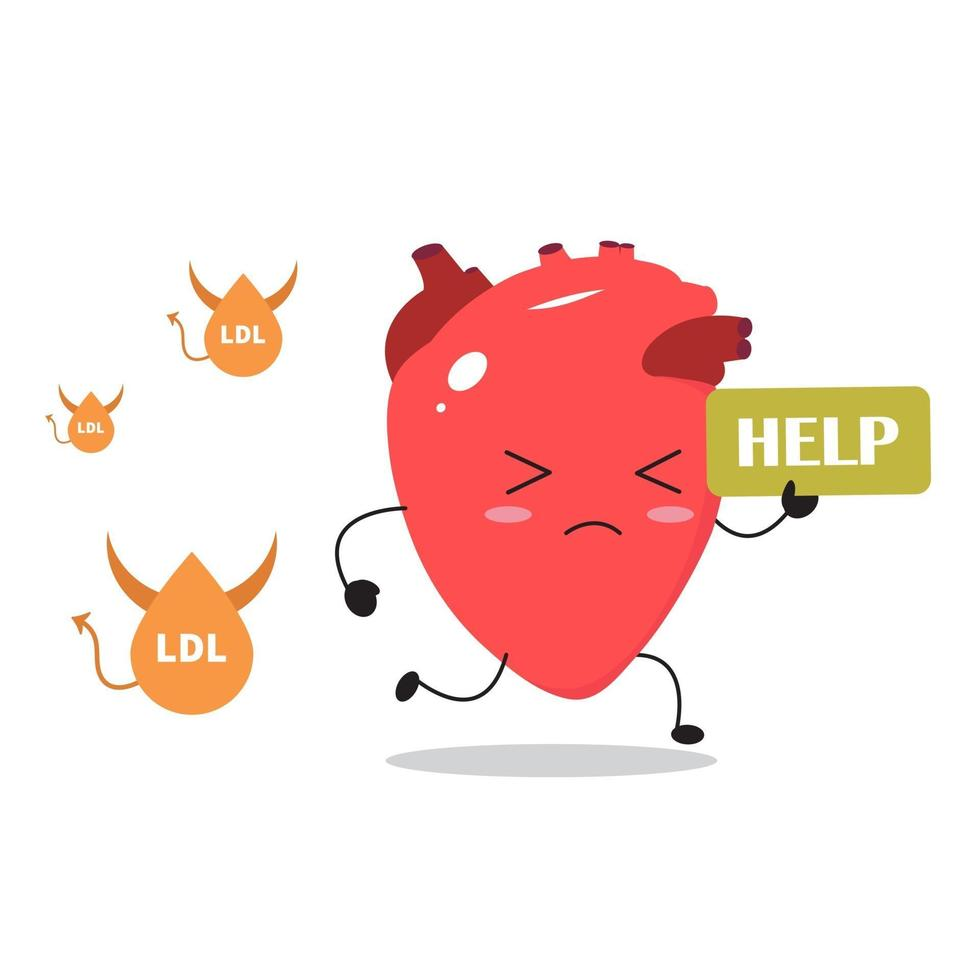
Low-density lipoproteins LDL are also called bad cholesterol because this type of protein builds up in blood vessels and blocks them. This raises the risk of heart diseases.
-
High-density lipoproteins HDL :-

High-density lipoproteins HDL are the good kind of cholesterol because they help protect against heart diseases. So it's important to keep good cholesterol levels high in the body.
-
Triglycerides :-
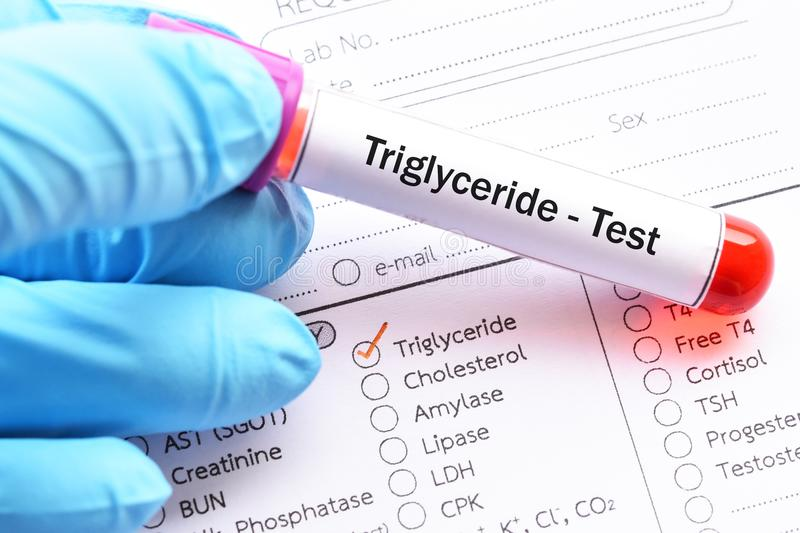
Total cholesterol also includes triglycerides, another type of fat that can build up in the body. This is basically the start of cholesterol buildup in blood. So high triglyceride levels and low HDL levels increase risks of heart and blood vessel diseases.
-
Cholesterol levels in adults:

The American Heart Association recommends checking cholesterol levels in adults every 4 to 6 years, starting at age 20. This is when cholesterol levels begin to rise in the blood.
Cholesterol levels tend to increase with age. Men are more likely to have this rise. These levels increase even more in women, especially after menopause.
It is also advised to test cholesterol more often for those with other risk factors like diabetes. They have a higher risk of high cholesterol levels in the blood.
-
Here is a chart of cholesterol levels in adults:

According to the 2018 guidelines on cholesterol management published in the Journal of the American College of Cardiology (JACC), these are the accepted and high cholesterol level readings for adults.
- All the following values are measured in mg/dL and are based on fasting tests:
| Total cholesterol | HDL protein | LDL protein | Triglycerides | |
| Good levels | Less than 200, the lower the better. |
Ideal is 60 or higher. 40 or higher for men, and 50 or higher for women. |
Less than 100, and less than 70 if you have coronary artery disease. | Less than 149, ideal is less than 100 |
| Ratios at the start of high levels | 200 - 239 | None | 130 - 159 | 150 - 199 |
| High ratios | 240 and above | 60 and above | 160 and above, 190 is very high | 200 and above, 500 is very high |
| Low levels | None | Less than 40 for men, 50 or less for women. | None | None. |
-
Cholesterol levels in children :-

Kids who do physical activities, eat varied and nutrient-rich diets, and are not overweight or have family history of high cholesterol, are less likely to have high blood cholesterol.
It is recommended to check cholesterol in all kids between 9 - 11 years old, then again between 17 - 21 years old.
Kids with higher risk factors like diabetes or obesity, or family history of high blood cholesterol should be tested between 2 - 8 years old, and again between 12 - 16 years.
-
Here's the chart for kids' blood cholesterol levels :-

These values are from the American College of Cardiology Journal JACC, and these are the recommended levels for kids.
- The following values are measured in (mg/dL):-
| Total cholesterol | HDL protein | LDL protein | Triglycerides | |
| Good levels | 170 and below. |
Above 45. |
Less than 110 | Less than 75 for ages 0 - 9, and less than 90 for ages 10 - 19. |
| Levels at the start of elevation | 170 - 199 | 40 - 45 | 110 - 129 | 75 - 99 at ages 0 - 9, and 90 - 129 at ages 10 - 19. |
| High levels | 200 and above | None | 130 and above | 100 and above at age 0-9, 90-130 at age 10-19. |
| Low ratios | None | Less than 40. | None | None. |
-
Ways to treat cholesterol:

If you have high cholesterol levels in your blood, your doctor might recommend lifestyle changes and possibly some medications. This depends on factors like your age and overall health.
- Here are some lifestyle changes that can help treat cholesterol:
-
Increase physical activity Physical activity and exercise can help lose weight and raise good HDL cholesterol. So, do moderate cardio exercises for 30 to 60 minutes daily, 5 days a week, like cycling, swimming, and dancing.
-
Eat more fiber Try adding more fiber to your diet by swapping white bread and pasta with whole grains.
-
Eat healthy fats Healthy fats include olive oil, avocado, and nuts. These foods raise good HDL cholesterol levels.
-
Cut down on cholesterol intake Cut down on foods high in saturated fat like cheese, whole milk, and fatty meats.
-
Quit smoking Smoking lowers good HDL cholesterol in the blood, so quitting can help manage cholesterol better.
-
Maintain a healthy weight Losing weight and keeping a healthy weight can help lower cholesterol levels.
-
Monitoring cholesterol levelsCholesterol levels in the blood should be checked regularly.
Physical activity, a healthy weight, and a balanced diet rich in nutrients all help prevent high blood cholesterol. Fitness Garage can provide these to its clients. For more details, you can visit Fitness Garage's Facebook page at here.
Article source :- 1.


