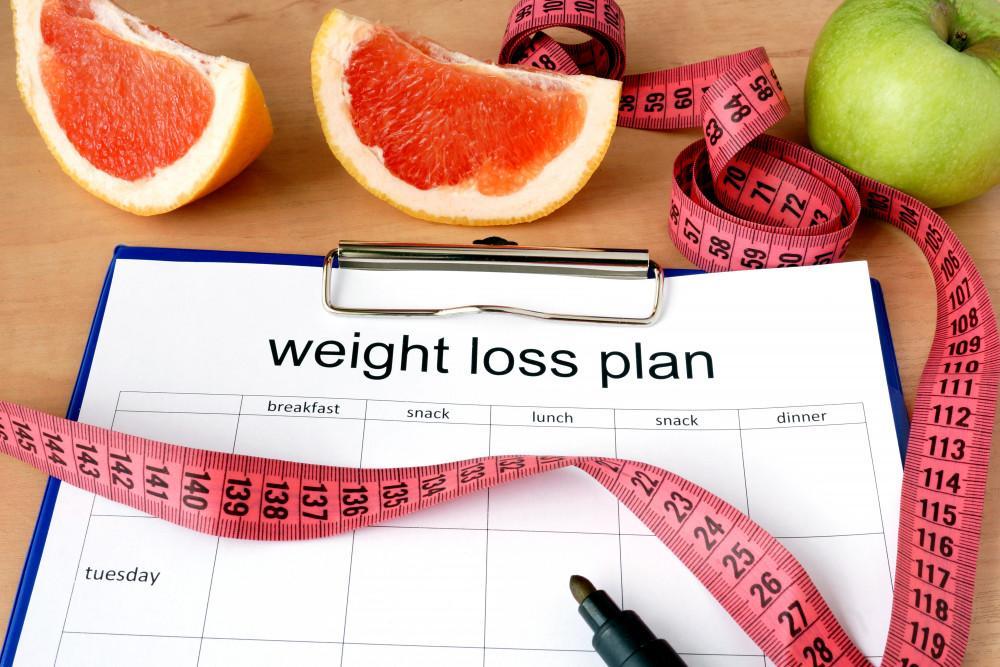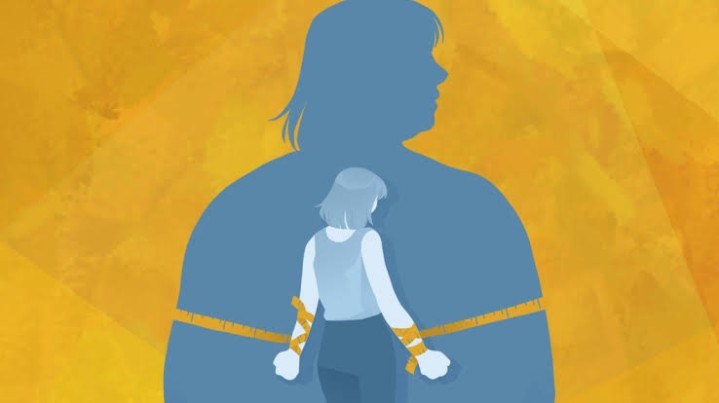
You might have tried every diet plan and exercised, but still couldn’t lose weight. This can cause a mental block on your path.
Losing weight is a tough battle for anyone, but it can be even harder for those facing emotional hurdles.
The first step to a good solution is spotting the problem. You might find there’s more than one hurdle to fix, but the good news is these can be beaten.
• Emotions and weight loss:

Most of us mean well about eating healthy and exercising. We know the basics of what to eat and avoid. Still, even with good intentions, we often mess up our progress when we feel tired, stressed, bored, or frustrated.
And it can get worse. Our brains might stick to solid beliefs that keep bad habits going. After all, our brain says, why stop habits that give us comfort?
But it’s not all lost. If you want to change your bad eating habits to lose weight, the plan might work against you in some ways. But it can also work with you in other ways.
• Common psychological consequences :-
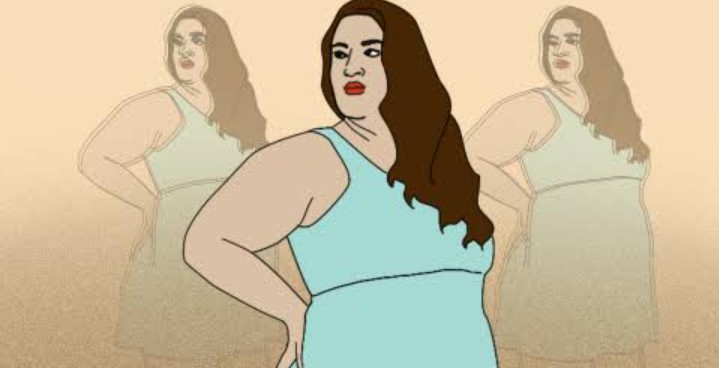
These are the most common emotional results that happen when you're struggling to lose weight. Check the list to see if any feel familiar to you.
-
All-or-nothing thinking

If you find yourself either fully sticking to your food plan or totally falling off and quitting, you might be dealing with a cognitive distortion called all-or-nothing thinking.
People who have all-or-nothing thinking about losing weight tend to see themselves as either complete successes or failure based on their food choices. If you think this way, you probably struggle to get back to healthy eating after letting yourself off a little, or you might quit your diet plan entirely assuming it’s a total failure.
-
Negative body image
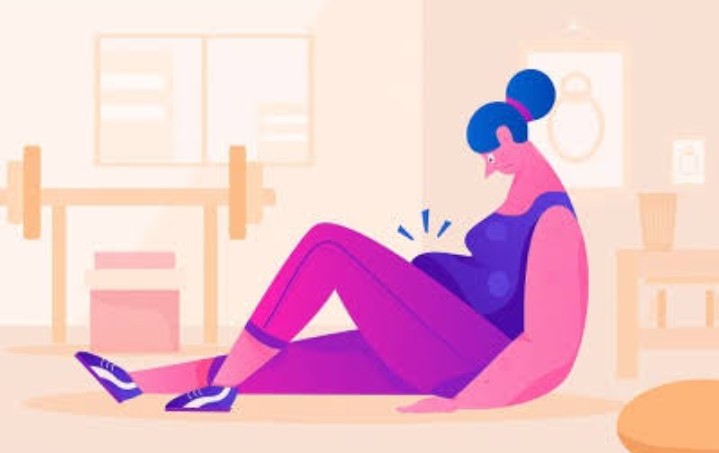
If you're trying to change your body size and shape you might be unhappy with how it looks now. Of course wanting to improve your health or appearance is fine, but if your body image is very negative, it could slow down your weight loss.
Research shows dissatisfaction with body image is more common in people with obesity. Also, negative body image links to unhealthy eating habits and other problems.
People who deal with painful worries about weight and shape may also feel embarrassed in public and avoid various activities.
It's not clear if a negative body image causes unhealthy eating, or if unhealthy eating causes a negative body image. But feeling very unhappy with your body can block reaching a healthy weight.
-
Stress (Pressure)
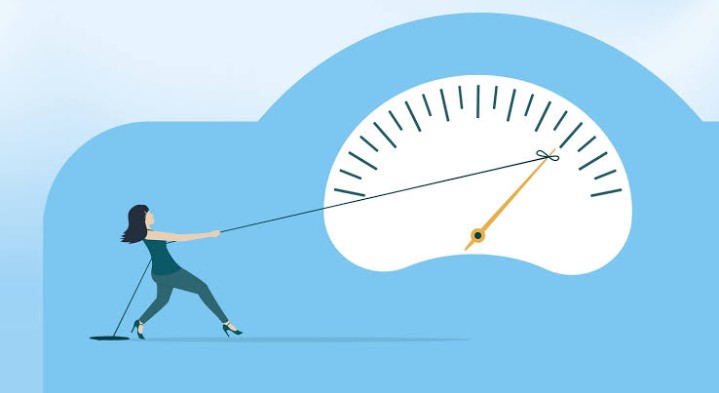
For most people, eating feels good, and when stressed some use food as the best way to calm their emotions.
Although this strategy isn’t common for all body types and sizes, it can cause big problems if you’re trying to lose weight or if eating is your only way to handle stress.
Studies found overeating can become a coping method for dealing with life’s pressures. This plan is probably most common among those who are overweight.
Research shows you not only eat when stressed, but you eat foods usually avoided for weight loss or health reasons. These foods are often higher in calories.
-
Depression

Researchers haven't made it clear if depression causes weight gain or just stops weight loss. Depression can be a problem linked to weight. For some people, depression can reduce appetite and cause weight loss.
But studies simply suggest that thinking about weight gain causes stress and tension and might lead to depression. Depression symptoms like insomnia or tiredness can make losing weight harder. Also, some common antidepressants can cause weight gain.
-
Personal trauma or childhood trauma
Researchers found that people who experienced physical abuse or friend bullying are more likely to get obese. Those who had emotional trauma might change their eating habits enough to affect their weight.
Scientists think weight gain might be used as a protective reaction or solution by survivors of abuse.
Of course, not everyone with childhood trauma struggles to keep a healthy weight. But if you went through abuse, neglect, or bullying, there may be a connection.
Here are some tips on how to overcome these roadblocks:
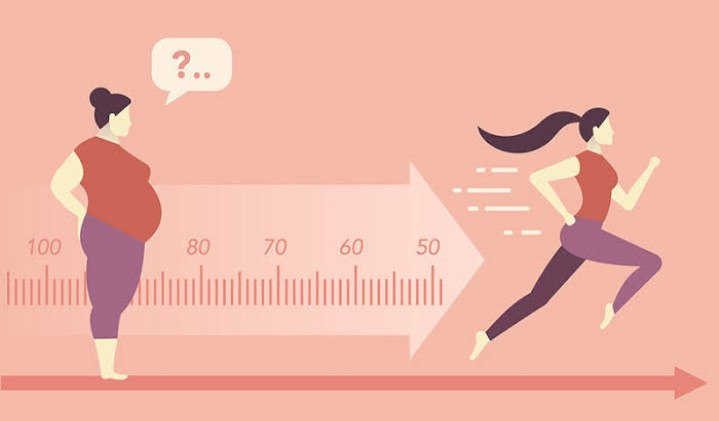
You may have found one or more common psychological blocks to weight loss that feel familiar to you. It's not unusual to face many obstacles on your way to a healthy weight, but these barriers don't have to stop your success.
Some tips and suggestions can tackle many obstacles, healthy tips with no side effects. Try one or several solutions to overcome your hurdles.
-
Keep a food diary.

Avoiding stress isn't always possible, but you can spot what causes your stress and do your best to avoid people or situations that trigger it and hold you back.
Keeping a food journal might help. Studies show that food journals can double weight loss results.
A food diary can help you spot all the situations that make you stressed or overeat so you can reduce or totally avoid them.
-
Listen to your inner voice.
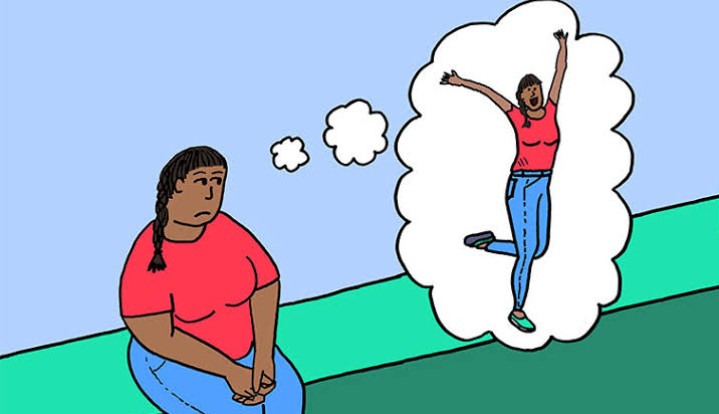
You should pay attention to the inner thoughts you send yourself , these scattered thoughts can block your success.
People who keep a negative body image all day might repeat negative phrases like “I'm fat, my body isn't perfect.” This voice can stop you from making healthy moves.
Replace these ideas with a strong motto like (My body is strong, I can do it, I've come a long way), these are phrases usually used to boost confidence.
-
Make small changes

If all-or-nothing thinking is stopping you from sticking to your meal plan, try taking small steps and setting short-term goals. Pick one healthy, reasonable change you can actually do.
You can choose to walk for 15 minutes after dinner every day, as a goal to stick to for a week. If you keep a food diary, write down notes each day about the ways you succeeded in sticking to this goal.
Remember, taking small steps is better than taking no steps at all.
-
Learn relaxation techniques

If you can't avoid people or places that stress you out, relaxation techniques can be a healthy alternative to manage your feelings during tough times instead of turning to food.
You can practice meditation, yoga, and different relaxation techniques to help boost your success.
-
Prioritize sleep

Researchers found a close link between sleep habits, stress, depression, and unhealthy eating. So, one of the easiest and most effective steps you can take to beat mental challenges is to improve your sleep habits.
Try to stick to the same bedtime every night and wake up time every morning. This change will make your lifestyle healthier.
-
Ask for help
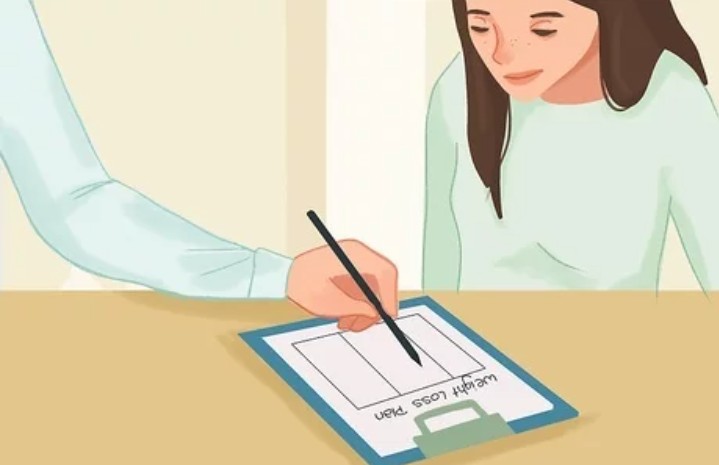
Many trained experts can help with life obstacles, whether about weight or other issues.
Don’t be afraid to ask specialists for help. You can go to a nutritionist or a therapist. They can help you change eating habits and create healthy plans to reach your goals.
"Always remind yourself that perfection isn’t the goal. Any effort to push yourself in the right direction is progress to be proud of."