The brain is one of the most important organs to take care of. It's the control center for your body. It controls your heartbeat, lung breathing, and lets you move, feel, and think.
That's why it's a good idea to keep your mind at peak performance. The foods you eat help keep your brain healthy and can improve specific brain tasks like memory and thinking.
In this article, we explore the top 10 foods that can boost your brain:
-
Fatty fish:

When talking about brain foods, fatty fish often tops the list. This includes salmon, catfish, tuna, herring, and sardines. They’re all rich sources of omega-3 fatty acids.
About half your brain is made of fat, and half of that fat is omega-3 fatty acids. Your brain uses omega-3s to build brain and nerve cells. These fats are essential for learning and memory.
Omega-3 fatty acids give your brain many extra benefits. They slow down age-related mental decline and help protect against Alzheimer's disease.
On the other hand, not getting enough omega-3 fatty acids is linked to poor learning and depression. Overall, eating fatty fish seems to have positive health benefits.
Some research also shows that people who eat fish regularly tend to have more gray matter in their brains. Gray matter has most of the nerve cells that control decision-making, memory, and emotions.
-
Coffee :-

If coffee is the highlight of your morning, you'll be glad to hear it's good for you and your brain. Two main coffee ingredients (caffeine and antioxidants) can support brain health.
The caffeine in coffee has several positive effects on the brain, including:-
-
Increased alertness:- Caffeine keeps your mind alert by blocking adenosine, a chemical messenger that makes you feel sleepy.
-
Mood improvement:- Caffeine might also boost some brain chemicals that make you feel happy, like dopamine.
-
Increased focus :- A study found that drinking caffeine leads to short-term improvements in attention and alertness for people who did a cognitive test.
-
Lower risk of neurological diseases :- Long-term coffee drinking is also linked to a lower chance of diseases like Parkinson’s and Alzheimer’s.
-
Blueberries :-
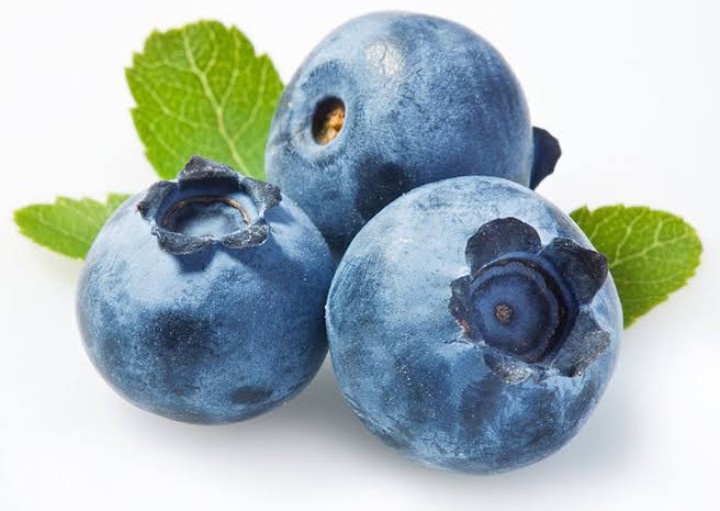
Blueberries offer many health benefits including some specifically for your brain. They and other deep-colored berries have anthocyanins, which are compounds with antioxidant and anti-inflammatory effects.
Antioxidants fight both oxidative stress and inflammation. These conditions can contribute to brain aging and neurological diseases. Some antioxidants in berries help improve communication between brain cells.
-
Turmeric :-
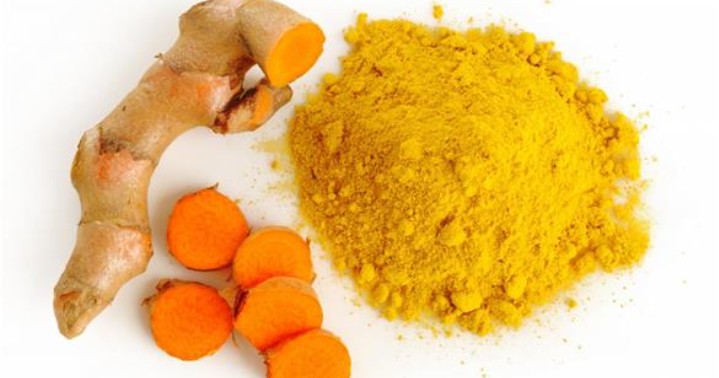
Turmeric has caused a lot of buzz lately. This dark yellow spice is a key part of curry powder and it has benefits for the brain.
The active ingredient in turmeric, curcumin, has been shown to cross the brain barrier. That means it goes right into the brain and helps the cells there. It's a strong antioxidant and anti-inflammatory compound linked to these brain benefits:-
-
May help memory :- Curcumin might improve memory for those with Alzheimer's disease.
-
Helps with depression :- Curcumin boosts serotonin and dopamine, both of which improve mood.
-
Helps new brain cells grow :- Curcumin might slow down the mental decline that comes with age.
-
Broccoli :-

Broccoli is packed with strong plant compounds, including antioxidants. It also has a high amount of vitamin K, with over 100% of the recommended daily amount in one cup (160 g) of cooked broccoli.
Some studies on seniors linked eating lots of vitamin K and better memory and thinking skills. Broccoli also has compounds that act like antioxidants and anti-inflammatories, which might help protect the brain from damage.
-
Dark chocolate :-

Dark chocolate and cocoa powder have compounds that boost brain health, like flavonoids, caffeine, and antioxidants. Dark chocolate has 70% or more cocoa, so its benefits don’t really show up in regular milk chocolate, which has 10 to 50% cocoa.
Flavonoids in chocolate act on brain areas for learning and memory. Researchers think these compounds might improve memory and also slow age-related mental decline.
-
Nuts :-
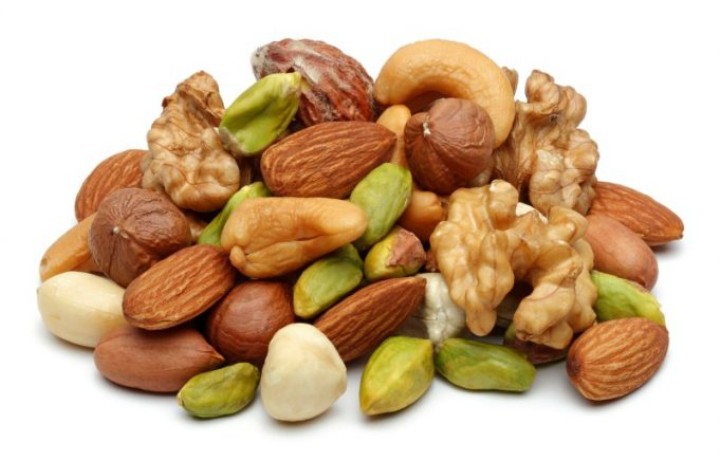
Research shows eating nuts can improve heart health markers, and having a healthy heart is linked to brain health.
One study found regular nut consumption may be linked to a lower risk of cognitive decline in seniors. It also found women who regularly ate nuts long term had sharper memories than those who didn’t.
The healthy effects nuts have on the brain come from many nutrients found in the brain like healthy fats, antioxidants, and vitamin E. Vitamin E protects cells from free radical damage to help slow mental decline.
-
Orange :-
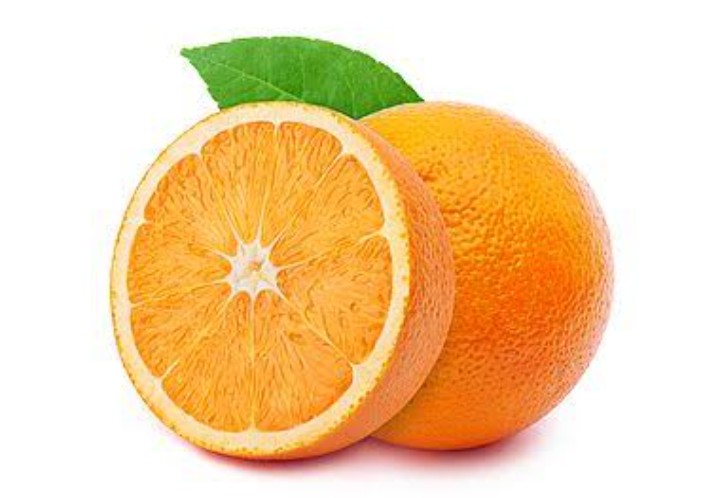
You can get almost all the vitamin C you need in a day by eating one medium orange.
Doing this is important for brain health since vitamin C plays a key role in preventing mental decline. Studies link vitamin C levels in the blood to better focus, memory, attention, and fast decision-making.
-
Eggs :-

Eggs are a good source of many nutrients tied to brain health, including vitamins B6, B12, and choline.
Choline is an essential micronutrient your body uses to make acetylcholine, a neurotransmitter that helps regulate mood and memory. Still, many people might not get enough choline in their diet.
Eating eggs is an easy way to get choline because egg yolks are among the most concentrated sources of this nutrient.
Also, B vitamins in eggs play multiple roles in brain health. They may help slow down mental decline in older adults.
- Green tea :-

Like with coffee, the caffeine in green tea boosts brain function. In fact, it’s found to improve alertness, performance, and memory.
Green tea has other stuff that makes it healthy for the brain, like L-theanine. It’s an amino acid that can cross the blood-brain barrier and increase GABA neurotransmitter activity. That helps reduce anxiety and makes you feel more relaxed.
Green tea is also rich in antioxidants that can protect the brain from mental decline and lower the risk of Alzheimer’s and Parkinson’s. Plus, some studies show green tea helps with memory improvement.