

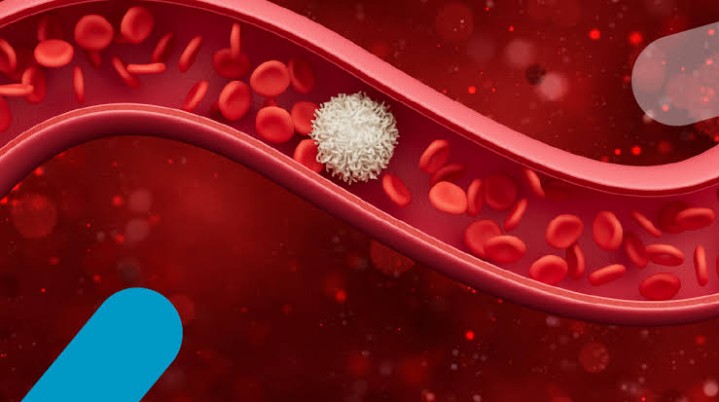
Anemia happens when your body doesn't have enough healthy red blood cells. The problem usually comes from blood loss, destruction of red blood cells, or your body not making enough red blood cells.
There are many types of anemia, but the most common is iron deficiency anemia. Red blood cells have a protein called hemoglobin packed with iron. Without enough iron, your body can't make the hemoglobin it needs to produce enough red blood cells to carry oxygen-rich blood everywhere in your body.
A lack of folate and vitamin B12 can also cause your body to struggle making red blood cells. If your body can't properly use B12, you might get pernicious anemia.
Eating a diet rich in iron, vitamin B, and vitamin C is very important if you have anemia.
-
Diet plan to treat anemia :-

Anemia treatment plans usually involve changing your diet. The best diet plan for anemia includes foods rich in iron and other vitamins needed for hemoglobin and red blood cell production. Your diet should also include foods that help your body absorb iron better.
There are two types of iron in foods: heme and non-heme. Heme iron is in meat, poultry, and seafood. Non-heme iron is in plant foods and iron-fortified foods. Your body can absorb both types, but it absorbs heme iron more easily.
Even though anemia treatment plans are personalized, most need 150 - 200 mg of iron daily. You'll usually need iron by prescription or prescription iron supplements to restore your iron levels.
You can add some foods to your diet to get more iron and help fight iron deficiency anemia. Here are the top foods:-
-
Leafy green vegetables :-

Dark leafy greens are among the best sources of non-heme iron, like spinach, kale, and swiss chard.
Some leafy greens like swiss chard and kale also have folic acid. A diet low in folic acid can cause anemia. Citrus fruits, legumes, and whole grains are also good folic acid sources.
There might be a problem with eating dark leafy greens for iron. Some, like spinach and kale, have lots of iron but also high oxalates. Oxalates can bind to iron and stop your body from absorbing it.
Vitamin C helps your stomach absorb iron. So eating leafy greens with vitamin C foods like oranges, red peppers, and strawberries can increase iron absorption. Some greens like green cabbage and swiss chard have good amounts of both iron and vitamin C.
-
Meat and poultry :-

All meats and poultry have heme iron, and the best sources are red meat, lamb, venison, and small amounts of chicken.
Eating meat and poultry with non-heme iron foods like leafy greens and vitamin C rich fruit can help increase iron absorption.
-
Liver :-

Many people might not like eating animal organ meats but they're a great iron source. Liver is the most common organ meat, rich in iron and folic acid.
There are some other iron-rich organ meats like heart and kidneys.
-
Seafood :-

Some seafood provides heme iron. Fish with the best iron levels include:-
-
Canned and fresh tuna.
-
Mackerel fish.
-
Salmon fish.
Although canned sardines are a good source of iron, they also have a high amount of calcium. Calcium can bind to iron and reduce its absorption, so avoid eating calcium-rich foods at the same time as iron-rich foods.
-
Fortified foods :-

There are many iron-fortified foods you can add to your diet to get other iron sources like :-
-
Fortified orange juice.
-
Fortified ready-to-eat cereals.
-
Fortified pasta.
-
Foods made from corn flour.
-
Fortified white rice.
-
Legumes :-

Legumes are a good source of iron for both vegetarians and meat-eaters. They are also cheap and versatile, like :-
-
Chickpeas.
-
Soybeans.
-
Black peas.
-
Beans.
-
Peas.
-
Nuts and seeds :-

Many nuts and seeds are good sources of iron. They taste great alone or sprinkled on salads or yogurt. There are many examples of nuts and seeds that contain iron like :-
-
Cashews.
-
Pistachios.
-
Hemp seeds.
-
Pine nuts.
-
Sunflower seeds.
Both raw and roasted nuts have similar amounts of iron.


