


Your microbiome is a large ecosystem with 100 trillion microbes living in your digestive system, known as (gut microbiota), or (gut flora), or (intestinal plants).
Research shows that a healthy digestive tract is crucial for overall health, and eating foods that feed the gut microbiota can improve overall health in return.
Although there are many ways to eat for gut health, a diet for the microbiome was developed by Dr. Rafael Kellman, author of The Microbiome Diet, to restore gut health and achieve lasting weight loss.
The Microbiome Diet is a program with three stages, starting with an elimination diet that restores gut health for those who have eaten microbiome-unfriendly foods for a long time.
The second and third stages are less strict than the first elimination phase. All stages mainly focus on fruits, vegetables, lean proteins, and lots of foods containing probiotics and prebiotics.
Dr. Kellman wrote in his book The Microbiome Diet that research shows when the microbiome is out of balance, people often gain weight even if they change their diet or exercise routine. but when the microbiome is balanced, it leads to weight loss even if people don’t make many changes.
Dr. Kellman also suggests that an unbalanced microbiome causes strong cravings for sugars and unhealthy fatty foods, while a balanced microbiome increases cravings for healthy foods.
What do experts say about the microbiome diet?
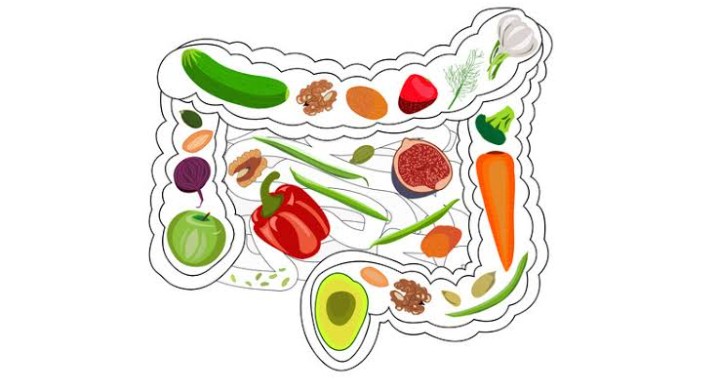
The microbiome diet claims to improve gut health. Experts agree eating foods rich in probiotics and cutting added sugar supports gut health. Still, they think the first phase of the plan is unnecessarily strict and not recommended.
What is probiotic? And what are its benefits?
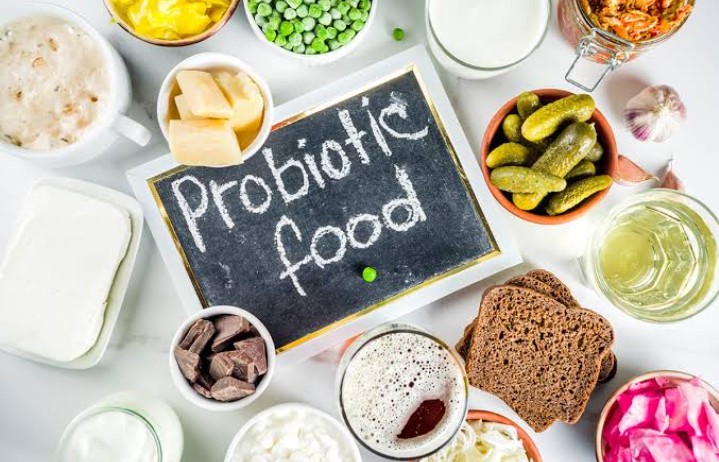
Probiotic is bacteria naturally found in certain parts of the human body. It helps the health of that area by balancing the good bacteria and harmful bacteria.
What are the benefits of probiotics?

Probiotics help keep the digestive system healthy by balancing good and bad bacteria there. When they get out of balance, health issues can happen. They also help prevent some digestive problems like diarrhea and constipation, and ease symptoms of irritable bowel syndrome and Crohn's disease.
Foods you can eat in the microbiome diet:-
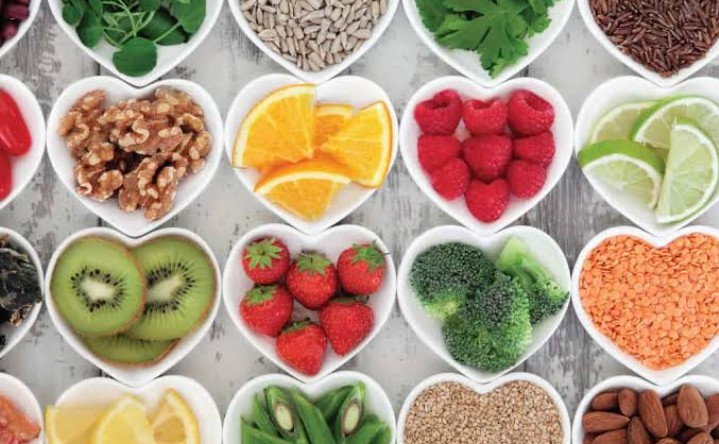
The microbiome diet is a three-stage program starting with an elimination diet. This cuts out foods that throw off gut microbiome balance like soy, corn, eggs, and dairy. The diet gets less strict in the second and third stages, where microbiome diet recipes are used.
What do you need to know about the dietary microbiome system?
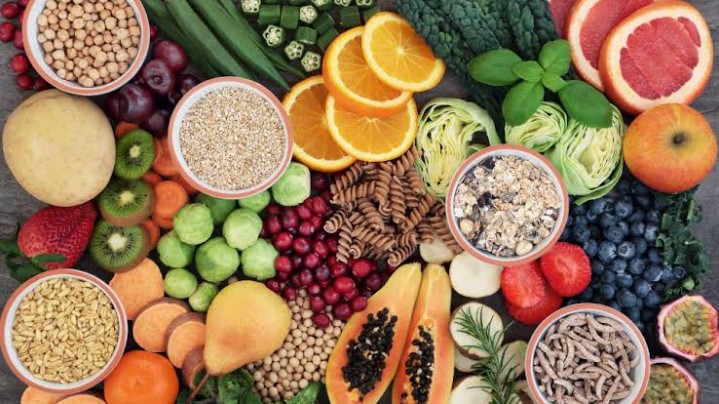
There is no set timing in the dietary microbiome system for the three phases it follows, and Dr. Kilman encourages intuitive eating. Eat when you feel hungry and stop when you feel full. You don’t need to count calories or track portions in the microbiome diet plan, which may help you understand your natural hunger and fullness signals.
The three phases of the dietary microbiome system are:
-
First phase: The elimination phase
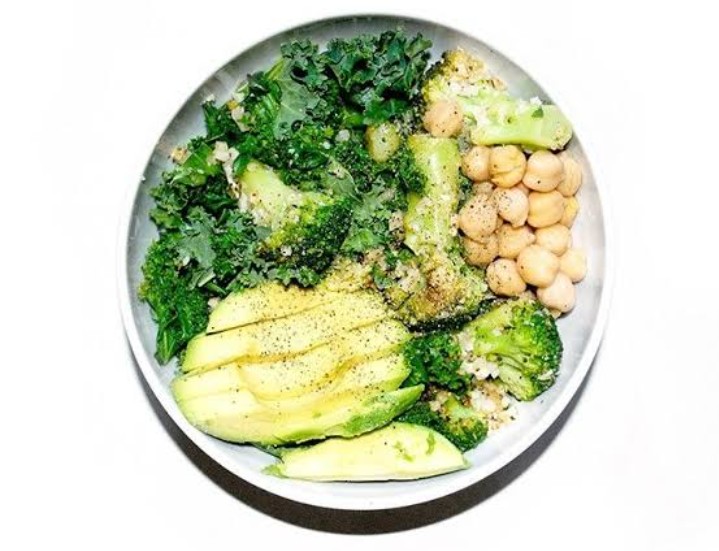
The first phase of the dietary microbiome system is the most complex and might not be necessary for most people. It lasts 21 days and involves avoiding a wide range of healthy foods including soy, dairy, grains, eggs, fruits, starchy vegetables, legumes, sugar, artificial sweeteners, and processed foods.
The main foods encouraged in this phase are organic foods rich in prebiotics like asparagus, garlic, leeks, and onions, or fermented foods like sauerkraut and yogurt, which are rich in probiotics.
The first phase itself has four steps which are:
-
Removal: Here you get rid of all foods or chemicals and toxins that might mess up the microbiome balance.
-
Fixing: Here you eat large amounts of plant foods and supplements that help the gut after years of damage from processed foods and toxins.
-
Replacing: Here herbs, spices, and supplements are used that can replace stomach acid and digestive enzymes to improve good gut bacteria.
-
Re-inoculating: Here you eat foods high in probiotics and prebiotics to refill your gut with good bacteria.
2- The second phase: Boosting metabolism
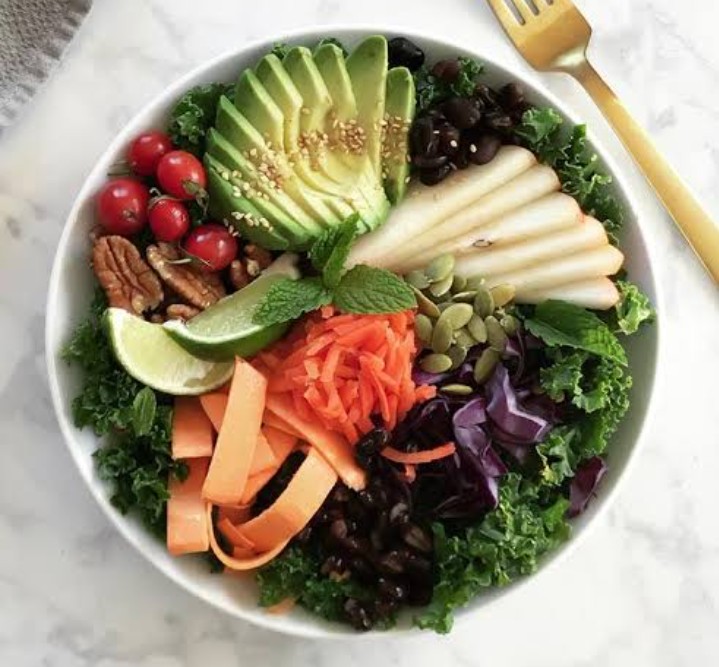
This stage lasts 28 days and offers more flexibility since the first stage (21 days) helped your gut grow stronger. You can add dairy, legumes, and gluten-free grains back into your diet during this stage. You can also start eating fruit and starchy veggies again like sweet potatoes and bananas.
During this stage, there are still some foods you should avoid most of the time. This doesn't mean you can't have them at all but you can eat small amounts once in a while. Foods that might hurt your stomach again include soybeans, corn, and potatoes.
3- The third stage:- Long-term maintenance

When you reach the third stage it means your stomach is in great shape. According to Dr. Kilman, at this stage you can keep up the microbiome diet and add even more foods back. This stage is long-term because you’re encouraged to follow the microbiome diet for life to keep this healthy eating pattern.
-
What food groups can you eat:-

-
Fruits and non-starchy vegetables.
-
Lean protein.
-
Low-mercury fish.
-
Foods rich in probiotics, and probiotics.
-
What food groups you should not eat:-
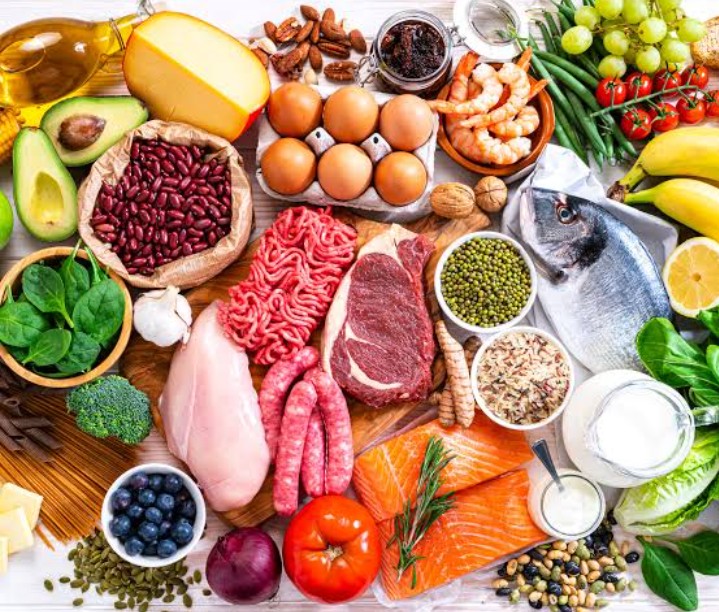
-
Canned foods.
-
Grains and gluten.
-
Soy.
-
High fructose corn syrup and added sugars.
-
Artificial sweeteners.
-
Trans fats and hydrogenated oils.
-
Corn and potatoes.
-
Processed meats.
-
Peanuts.
-
Fried foods.
-
Fruit juice and dried fruits.
-
Starchy fruits and vegetables.
-
Eggs.
-
Dairy products except butter and ghee.
-
Legumes except chickpeas and lentils.
-
Yeast and foods that contain yeast.
-
Positives of the microbiome diet:
-
Improves digestive health:

More specifically, fruits and vegetables in the microbiome diet are gut-friendly foods. There's also asparagus, leeks, onions, artichokes, sauerkraut, kimchi, radish, avocado, citrus. All these foods have bioactive or probiotic traits. Prebiotics and probiotics work together to boost digestive health, especially gut health, for an optimal state.
-
Limits sugar intake:

Eating too much sugar can cause many chronic diseases and immediate symptoms like tiredness, trouble focusing, and mood swings. So the microbiome diet limits sugar intake which might help your daily performance.
Negatives of the microbiome diet:
-
Restrictive diet:-

The microbiome diet can be very restrictive, especially in the first phase (elimination phase). Usually, most people don't need to stop foods that this phase says to avoid.
Foods like corn, soybeans, eggs, meat, legumes, and dairy are all healthy foods and can have a very healthy place in a balanced diet for most people.
-
It can be expensive:-
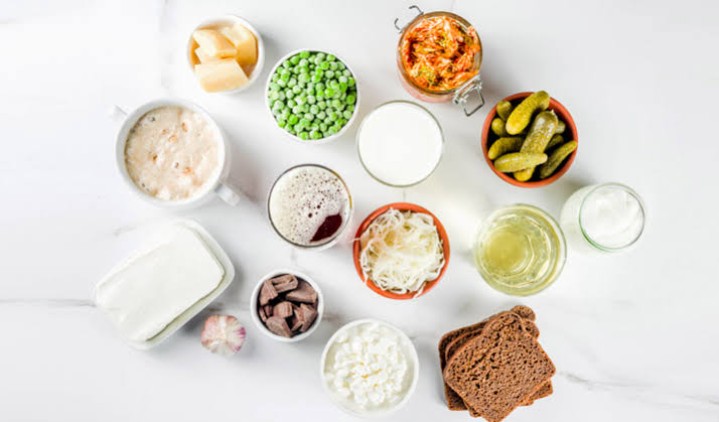
The microbiome diet encourages eating organic foods, which can be pricier than regular ones. So cost can be a limiting factor for many following this diet.
-
Unsupported claims:-

Some gut health claims are often exaggerated and lack proof from independent studies. The microbiome diet as a whole hasn't been fully studied for effectiveness or efficiency.
Is the microbiome diet healthy for you:-

The basic principles of the dietary microbiome system are similar to many diets that support gut health like the Mediterranean diet, which focuses on fruits, vegetables, whole grains, healthy fats, and especially on herbs, making the Mediterranean diet friendly to the microbiome diet.
Compared to dietary recommendations, the third phase of the microbiome diet aligns best with these guidelines, unlike the first and second phases which eliminate many healthy foods recommended for a balanced healthy diet.
Health benefits of the microbiome diet:-
-
Maintaining general health:-
Research often shows a strong link between a healthy diet and gut health, as well as between gut health and overall body health.
-
Weight loss:-

Since the meal plan of the microbiome diet includes mostly fruits, vegetables, and lean proteins, following this diet may help you lose weight.
But always remember that eating more calories than you burn will cause weight gain, even if the food you eat is healthy.
-
Disease prevention:-
Some foods that positively affect the microbiome also have protective effects against many diseases. For example, eating more nuts and seeds is linked to a lower risk of heart disease and gallstones. There is also some evidence they help with high blood pressure, cancer, and inflammation.
-
Health risks of the microbiome diet:-
-
Nutrient imbalance:-

The first phase of the microbiome diet cuts out many healthy foods like whole grains, dairy, eggs, starchy fruits, starchy vegetables, and most legumes for 21 days. Although this is temporary, it may cause nutrient imbalances.
Nutrition experts recommend skipping the first phase because you likely don’t need to cut out all its restricted foods. Instead, it might be better to start with a more balanced version, maybe phase two or three.
Even the third phase of the diet can be a big change for many people. For example, if you currently eat a lot of artificial sweeteners, processed foods, sodium, fried foods, and sugar, you could see benefits by following the third phase and cutting these out. This phase is also more balanced than the first two.
-
Disordered eating:-

Some strict diets with heavy restrictions like the first phase of the microbiome diet can lead to an unhealthy obsession with food. Because of this, the microbiome diet might not be a healthy choice for those who have struggled with or are at higher risk of eating disorders.


