Calories in the food we eat are the energy source that gives our bodies heat so they can work properly and do all biological and physiological functions. This means you need a certain amount of daily calories to stay alive.
What makes it trickier is not all calories are the same. For example, you can eat 150 calories from a piece of candy or get the same amount from 30 cups of lettuce.
So knowing exactly what calories are and why we count them can help you make better food choices.
• What are calories or (calorie) :-

A calorie is a unit of measurement. Specifically, it’s the heat needed to raise the temperature of one gram of water by one degree Celsius.
But in food, (calorie) is used to show how many calories the food contains, which is always shown on food labels. For example, if the food shows a big kilocalorie it means 1000 small calories.
The food we eat gives our bodies calories, which provides the energy we need to live and stay healthy. Everything we do depends on energy whether sitting on the couch or running a marathon.
• Calories and weight gain :-

Calories in food give your body energy, but if you eat too many calories, it will show as weight gain.
Extra calories get stored as fat in your body. Normally, your body needs this stored fat to stay healthy. But too much fat can cause health problems and unexpected weight gain.
So it's important to know how many calories your body needs daily to work well without unwanted results.
• How to calculate calories :-

You can calculate calories in foods by using pen and paper to write down ingredients and look up calories for each item.
You can also use online apps that give you a calorie count service.
On average, daily calorie intake ranges from 1600 to 3000 calories. This number varies based on personal factors like gender, activity level, and metabolism.
• Calories and weight management :-

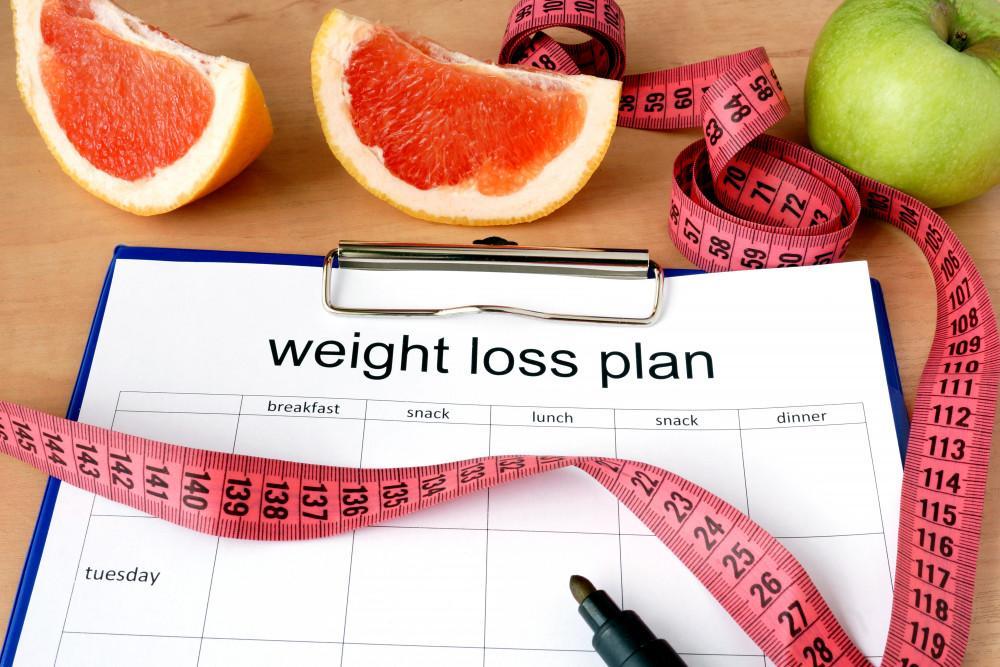
Tracking the calories you eat helps you understand how many your body needs to lose, gain, or maintain weight. Whatever your goal, calories are the key to getting the result you want.
For weight management, you can work on calories in one of the following ways :-
-
Weight loss :-
To lose weight, you need to lower your calorie intake. For example, you can reduce calories by 500 per day to lose 1-2 pounds a week (the safe and sustainable rate), while increasing daily calories burned.
-
Weight gain :-
To gain weight, you can eat more calories. For example, add 500 calories a day to reach your goal, while burning fewer calories.
-
Weight maintenance :-
To maintain your current weight you should keep your daily calorie intake stable while keeping a consistent level of physical activity.
• Calories in food :-

Different types of food give different energy levels based on their calorie content. For example, the main nutrients (carbs, protein, fat) don’t have the same calories per 1 gram.
-
1 gram of carbs = 4 calories.
-
1 gram of protein = 4 calories.
-
1 gram of fat = 9 calories.
Since fat gives more calories, you might try to cut back on it in your diet. But some kinds of fat are essential for health, like polyunsaturated fats which help keep the heart healthy.
• Empty calories :-

There's some confusion because just the calorie count isn't enough to say if food is nutrient-rich or not. It's more about what kind of calories the body is getting. For example, if those calories provide vitamins, minerals, and fiber, or if they have no nutrition and are called 'empty calories'.
Empty calories can be found in processed foods, fast food, and other unhealthy sources.