Dietary supplements are manufactured products people use to add various nutrients or other compounds to their bodies. These supplements may be single vitamins and minerals or mixes of nutrients and herbs. Many supplements on the market claim to provide needed health benefits.
However, it's not always clear what dietary supplements really are, how good they are, or if they're just a waste of money or even a health risk. In this article, we'll take a close look at dietary supplements.
-
What are dietary supplements? :-

Dietary supplements are products taken by mouth that contain a nutritional ingredient like vitamins, minerals, herbs, amino acids, enzymes, probiotics, antioxidants, or other nutrients.
Dietary supplements come in many forms, including capsules, gums, powders, and liquids. They are usually marketed as an easy and effective way to boost physical and mental health.
-
What are vitamins? :-

Are considered vitamins nutrients the body needs to work properly. They also help keep the body healthy and assist in many vital metabolic functions like growth, digestion, and nerve functions.
Vitamins are divided into two main types:-
-
Fat-soluble vitamins:-
These vitamins dissolve in fat, and the body can store them. They include vitamins A, D, E, and K.
-
Water-soluble vitamins:-
These vitamins dissolve in water and the body can't store them because they leave with the water that exits the body. They include vitamins B and C.
-
What are minerals? :-

Minerals They are inorganic elements essential for specific body functions like growth, bone health, and body fluid balance.
There is another mix known as the special blend, which is a unique mix of ingredients created by supplement makers, and often it's hard to know how much of each ingredient is in that blend.
-
How to get nutrients :-

For most healthy people, it's possible to get all the vitamins and minerals needed for body health through diet alone, but some conditions, medicines, and supplements might be necessary to meet nutritional needs.
But you should be careful because when we talk about supplements, we mean compounds made to supplement, not replace other nutrients and compounds in your diet, so even if you take supplements, it's still important to eat a varied and balanced diet as much as possible.
-
Nutrients in food versus nutrients in supplements :-

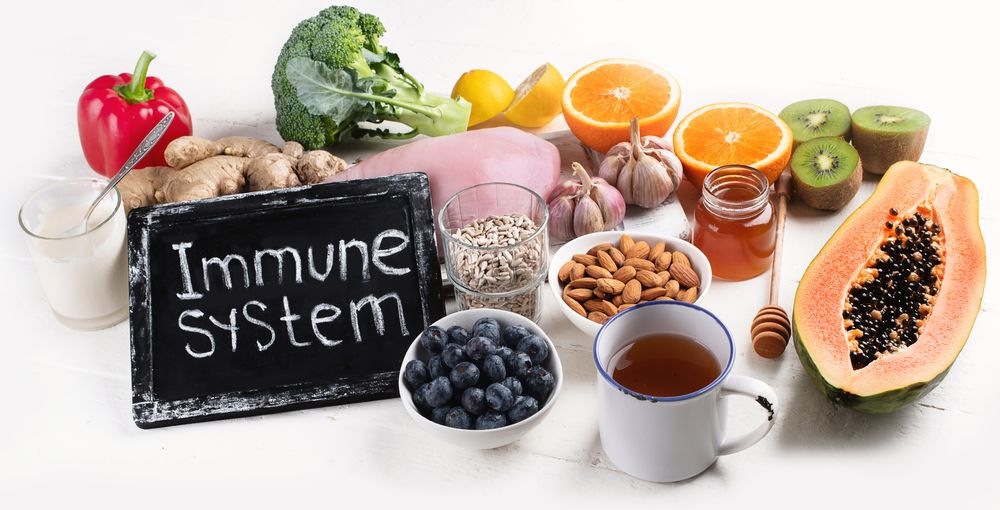
Eating a variety of foods is the best way to get enough vitamins and minerals. Different foods have different amounts and types of important nutrients.
For example, citrus foods are known for being high in vitamin C, while leafy greens are a great source of vitamin K.
Besides vitamins and minerals, foods also have other nutrients like protein, healthy fats, and fiber. These are all important for overall health and how well the body works.
Plant foods especially have lots of antioxidants and phytochemicals. These compounds have benefits like lowering inflammation and protecting against chronic diseases.
Supplements don’t offer the same nutrition benefits because they mainly aim to add missing nutrients, not replace food. They usually provide concentrated amounts of specific nutrients that might be low in your diet.
Studies found that getting enough nutrients from food is linked to lower risk of death from many causes, especially heart disease. But taking the same nutrients as supplements didn’t lower death risks.
-
Groups who need to take supplements include:

Generally, taking vitamin and mineral supplements isn’t needed for healthy adults who already get enough nutrients. It’s best to get key nutrients from food, but some groups might find this hard to do.
People who are low on nutrients or at higher risk of not getting enough which might include :-
-
Pregnant and breastfeeding women.
-
Infants who are breastfed fully or partly.
-
Adults or kids diagnosed with nutrient deficiencies.
-
People with problems absorbing nutrients.
-
People who had weight loss surgeries.
-
People who must avoid certain foods.
-
Some strict vegetarians.
-
The most common nutrient deficiencies are :-

There are some nutrients commonly deficient, such as Vitamin D, unlike other vitamins, vitamin D is hard to get from daily food intake because the body makes it from sun exposure. Some estimates say about a billion people worldwide have low levels of this important vitamin.
As a result, there are usually recommendations to take vitamin D supplements. So if you're worried about getting enough vitamins and minerals from just food, you should talk to a doctor about personalized advice on what supplements you might need and the right doses.
There are also some important vitamins recommended at certain times, like during pregnancy, before birth, and sometimes while breastfeeding. These should be taken under a doctor's supervision.
-
Children's dietary supplements :-

Generally, kids can meet their nutrition needs with a varied daily diet. But some age groups or conditions might need supplements. For example, the American Academy of Pediatrics suggests kids who are breastfed fully or partially take 400 IU of vitamin D daily through supplements until they start drinking vitamin D fortified milk.
Also, kids or teens on a mostly plant-based diet can risk missing key nutrients like B12, calcium, iron, zinc, and vitamin D.
Kids on a plant-based diet can get enough of these nutrients from food alone, but it needs careful planning depending on the types of food the kid eats.