

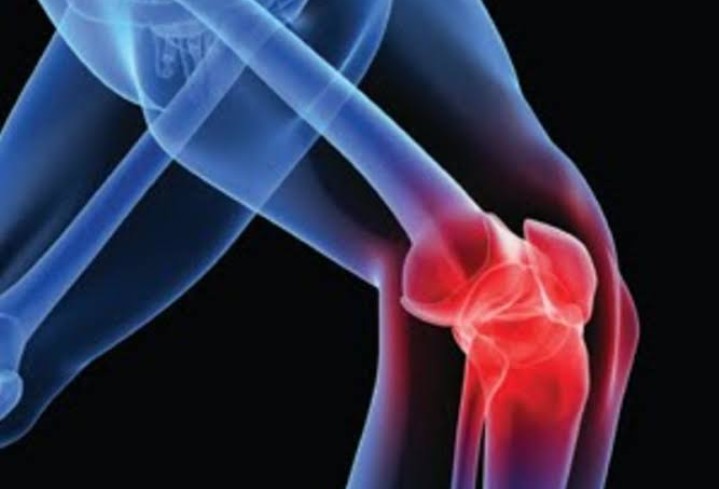
A healthy balanced diet will help you build strong healthy bones early and keep them that way your whole life. You need enough calcium to keep your bones healthy and vitamin D to help your body absorb calcium.
Weak bone health can cause many issues like rickets, osteoporosis, and a higher risk of breaking bones from falls later on.
You should get all the nutrients you need for strong healthy bones by eating a healthy balanced diet. A good diet is just one key step. Exercise and avoiding some osteoporosis risks are important too.
-
First: Get enough calcium:
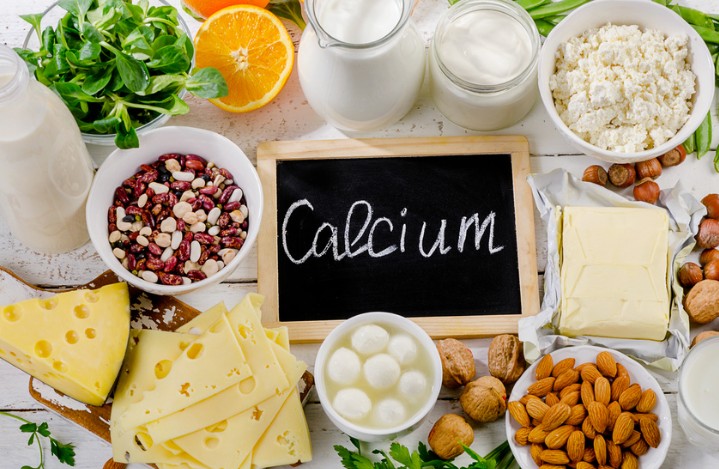
Nothing is more important than calcium for bones. Adults need 700 mg of calcium daily, so you should get it from eating a varied balanced diet.
Good sources of calcium include:
-
Dairy products like milk, cheese, and yogurt.
-
Leafy veggies like broccoli, cabbage, and okra.
-
Soy beans.
-
Tofu.
-
Plant drinks like soy syrup.
-
Nuts.
-
Bread and anything made from fortified flour.
-
Fish like sardines and pollock.
Even though spinach has lots of calcium, it's not a good source because it has oxalates that reduce calcium absorption.
-
Second:- Getting vitamin D:-
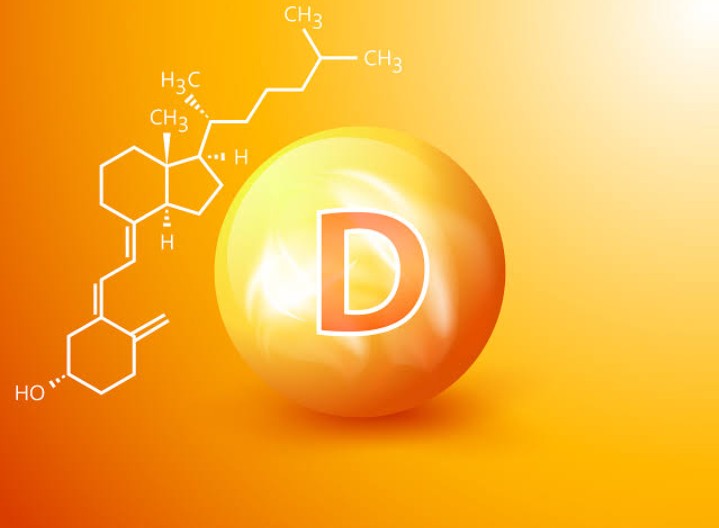
Adults need 10 micrograms (400 IU) of vitamin D daily. It's hard to get this vitamin from food alone, so we rely on sunlight on the skin to make it.
Vitamin D can be made through short daily sun exposures. Still, everyone should consider taking vitamin D supplements daily in fall and winter when skin can't make it from sun.
There are some other food sources to get vitamin D from like:-
-
Oily fish like salmon, sardines, and mackerel.
-
Egg yolks.
-
Breakfast cereals.
If you are diagnosed with osteoporosis, your healthcare provider may suggest calcium and vitamin D supplements, plus medicine for osteoporosis, especially if calcium intake from diet is low.
-
Thirdly: Getting some other important nutrients:
There are two lesser-known nutrients that help keep bones healthy: magnesium and potassium.
If you have low magnesium, you might have vitamin D balance issues, which can affect your bone health. Potassium helps neutralize acids in the body that can leach calcium from your bones.
A tasty way to get both is eating a medium baked sweet potato with no salt. It has 31 mg of magnesium and 542 mg of potassium.
-
Fourthly: The link between menopause and bone health:

Women lose bone faster after menopause, when ovaries stop making estrogen, which protects bones.
There are no exact calcium and vitamin D guidelines for postmenopausal women, but a healthy balanced diet with calcium, sun exposure, and vitamin D supplements can help slow bone loss.
-
Fifthly: How vegans get calcium:

Non-vegetarians get most of their calcium from dairy (milk, cheese, and yogurt), but vegetarians need to think about getting calcium from other foods.
Good sources of calcium for vegetarians include:
-
Fortified soy, rice, and oat drinks.
-
Soybeans.
-
Tofu.
-
Sesame oil and tahini.
-
Brown and white bread.
-
Dried fruits like raisins, prunes, figs, and apricots.
-
Sixth :- Too much vitamin A and bone health :-

Some research shows a link between having too much vitamin A in the body and a higher risk of bone fractures.
As a precaution, people who eat a lot of liver, a rich source of vitamin A, are advised not to eat liver more than once a week or take retinol supplements. Retinol is a form of vitamin A usually found in animal foods.


