


It's often easy to tell if your child is overweight or obese. You can check their BMI for an accurate diagnosis, but you might not need to. For most overweight kids, just pinching an inch or two of body fat can show that they are overweight.
• How to help kids who are overweight :-

Once a child is diagnosed as overweight or obese, a nutritionist gives their parents general advice on better nutrition and encourages the child to be more physically active.
But sadly, these tips have not helped fight childhood obesity so far. Often, these kids come back the next year having gained 10 to 15 pounds of extra weight.
So setting specific goals to lose the child's extra weight can help, along with detailed advice on healthy eating and the level of physical activity that's most beneficial for the child.
• The first goals for kids who are overweight :-

Interestingly, most experts' first goal is not to lose weight right away. Instead, they recommend a simpler goal of just not gaining any more weight.
Remember that your child will keep growing taller as they approach puberty, which makes it important to understand why not gaining weight can be helpful.
Even if your overweight child doesn't lose weight, as long as they don't gain weight or at least don't gain it as fast, they can slim down and reach a healthy BMI as they grow taller.
• Weight loss goals for kids :-
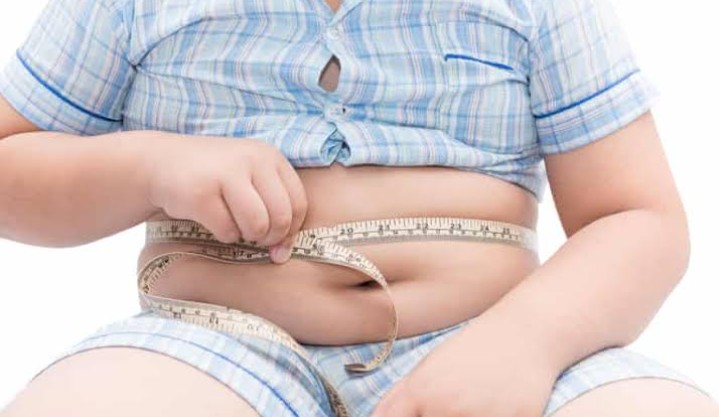
Once your child hits the goal of not gaining weight for a few months, a new goal to actually lose weight can be set. It’s key to keep the goal modest so the kid doesn’t give up. Losing one pound a month is a good target for most kids.
Teens who are overweight or severely obese might need to lose more weight after reaching initial goals. They might aim to lose two pounds a month or even per week to get to a healthy weight.
It’s best to set regular check-ins with your pediatrician or a nutrition expert to support your child’s weight loss goals and track progress.
• Achieving weight loss goals for kids :-

It can be a bit tough since the child might not fully realize their weight issue. So it takes some effort and work, but having goals can be a good motivation to keep going.
• How to reach the first goal which is not gaining extra weight :-

The first step is to know how much extra weight your child gains each month, so you can figure out how many fewer calories they need each day.
For example, if your 9-year-old child gains 3 extra pounds every month, and each pound equals 3500 calories, they need to cut 10500 calories each month to stop gaining extra weight.
While this number sounds big, it actually means just 350 calories a day.
• How hard it is to cut 350 calories from your child's daily diet :-
It shouldn't be that hard, but you can make it easier by cutting half of those calories from food (175 calories) and encouraging your child to do extra physical activity to burn the other half (175 calories). This might mean doing an extra half hour of moderate exercise.
You can help your child cut calories by skipping processed and fast foods, cutting sweets, eating smaller portions during meals, and choosing healthy snacks.
Once your child keeps their weight steady for a few months, you can aim for the next goal: losing 1 pound a month. A pound of fat is 3500 calories, so your child needs to burn 115 extra calories daily to start losing one pound of extra weight each month.
• What you need to know about weight loss for kids :-

-
If not gaining weight seems too high for the first goal, maybe start with slower weight gain as your first target, like if your kid gains 2 pounds each month, set a goal to gain 1 pound per month.
-
Encourage healthy eating instead of forcing a strict diet.
-
Getting the whole family involved in healthy eating and more physical activity can really help the kid stick to their weight loss goals.


