


Seasonal changes are among the times that cause many illnesses for many people. It starts with mental illnesses like depression and seasonal affective disorder, and goes all the way to physical illnesses like stomach flu.
When seasons change, we become more prone to viruses and colds, especially if we have allergies.
To fight diseases mental and physical that hit us during seasonal changes, there are many things we can do to improve health as these seasons start, and this is what we'll learn about in the next few lines.
Tips to avoid illnesses during seasonal changes
-
getting enough fresh air
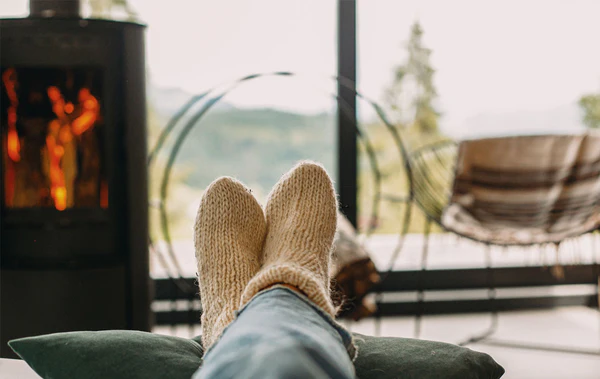
As the seasons change, temperatures tend to get colder, making many people stay indoors longer and close windows and doors.
But to avoid sickness, sunlight should come into the home, so it's important to open windows to let in sun and fresh air, which helps keep you healthy.
-
Eat seasonal foods

Good nutrition matters all year, but it’s extra important during seasonal changes, especially eating foods that are in season and locally grown.
These foods can offer many benefits like better digestion and boosting your immune system. The nutrients in them, like vitamins C, A, and folic acid, help build strong immunity to fight illness.
Make sure you include a variety of fruits and vegetables on your plate like, Citrus fruits, andpepper red, andbroccoli, andspinach, kiwi, all to get more benefits that Boosts the immune system To fight diseases during seasonal changes.
-
Keeping the body hydrated

In cold months, heaters and radiators can cause dryness, itching, or skin damage. You can fix this by using moisturizers and wearing clothes that absorb moisture to help Keep the body hydrated.
Also, don’t forget to drink enough water in winter. Cold months bring drier air, so keeping enough water helps fight skin problems and dryness. Remember to carry a water bottle and drink throughout the day.
-
Fighting germs

If you haven’t gotten a flu shot yet, it’s not too late. You can get it now by visiting a healthcare provider to make sure you don’t catch the flu.
If you suffer from seasonal allergies, be sure to watch the weather and prepare for your allergies with over-the-counter meds, or visit your healthcare provider to reduce allergy symptoms.
You can also fight germs by always carrying a sanitizer, and disinfecting germy spots at home and work, like doorknobs, phones, computers, and keyboards.
You can stop germs too by coughing and sneezing into a tissue and washing your hands often.
-
Keep moving

Since cold temperatures keep us indoors in winter, many end up living more stable and lazy lifestyles. To lower the risk of inactivity try some routine exercises to get your body moving more.
The American Heart Association AHA recommends doing 150 minutes per week of moderate aerobic activity, like walking fast,Dancing, tennis, and cycling.
Or 75 minutes a week of vigorous aerobic activity, like running, andswimming, cycling, jump rope, or doing a mix of both. It's better to spread these workouts across the week. When the weather warms up, these activities are even more fun outside.
What do you do when you feel sick?

By following the tips mentioned earlier during the season change, your body will be ready to face common illnesses that spread in this time.
But if you still feel unwell and think you might be sick, with a chronic or serious illness, you should see a doctor right away for proper advice on your condition.


