


Before starting any corticosteroid medication, you should first understand the side effects well. So, in this article, we gave you some tips to avoid these effects. You should also know these symptoms depend on how long and how much you take. For example, if your dose is low, the risk of side effects is very small. Also, don’t forget corticosteroids are usually very effective and can save lives. Our advice is to always check with your doctor first.
Note: Here we mean anti-inflammatory steroid drugs like prednisone. We’re not talking about muscle-building steroids or "male hormones" (like testosterone) which are chemically similar but work very differently from anti-inflammatory steroids.
Also, it’s important to understand side effects. Using corticosteroids repeatedly increases the chance of serious side effects. But the good news is that by taking care of yourself as explained below, you can reduce these risks.
Overdoses:
If you take steroids for more than two weeks, your body might get less able to handle physical stress. Some illnesses need steroids like after surgery, heavy dental work, or severe infections.
Steroid withdrawal syndrome:
Stopping steroids suddenly can cause symptoms like general tiredness, joint pain, stiff muscles, or fever. Most times, it's hard to tell these symptoms from those of your main illness.
Note: If you use steroids for less than two weeks, you can reduce the doses quickly. But if you use them for a long time, you have to reduce slowly to avoid bad withdrawal side effects. Long-term steroid use can slow your immune system, making infections more likely. We advise you to get the flu vaccine every year because steroids can lower your infection defense. Signs of infection include fever, cough, and pain when peeing.
Now let's share some of the side effects of cortisone drugs on different parts of your body.
The digestive system:

Steroids might raise the risk of ulcers or digestive bleeding, especially if you take them with non-steroid anti-inflammatory drugs like ibuprofen or aspirin. So, don't mix steroids with NSAIDs.
Note: If you have strong, ongoing belly pain or black, tar-like stools, see your doctor.
Bone fragility:

Steroid treatment can cause osteoporosis which raises the risk of bone fractures. So it's advised to do a bone density test especially if steroid doses are high. A person can lose 10% to 20% of bone mass in the first six months of corticosteroid treatment.
Tips:
- It's recommended to take calcium supplements if you're on corticosteroids unless you get enough calcium from your diet.
- Daily vitamin D dose should be at least 800 IU.
- Stop smoking immediately. Smoking and alcohol increase the risk of osteoporosis so cutting them down is necessary.
- Do weight-bearing exercises (walking, running, dancing, etc) as they help keep bone mass.
Weight gain:

Steroids affect metabolism and how your body stores fat. This may increase your appetite which leads to weight gain and more fat, especially belly fat.
Tips:
- Watch your calorie intake and exercise regularly to try to avoid excessive weight gain.
General insomnia:

Taking steroids can cause insomnia which affects your ability to sleep, especially if taken in the evening.
Tips:
- It's best to take your full daily dose in the morning, this may help you sleep better at night (taking doses at night can sometimes make sleeping harder).
Mood swings:

Steroids, especially doses over 30 mg a day, can affect your overall mood. Sometimes it can even lead to depression without clear reason. This side effect usually means the steroid dose should be reduced.
Fluid retention and high blood pressure:
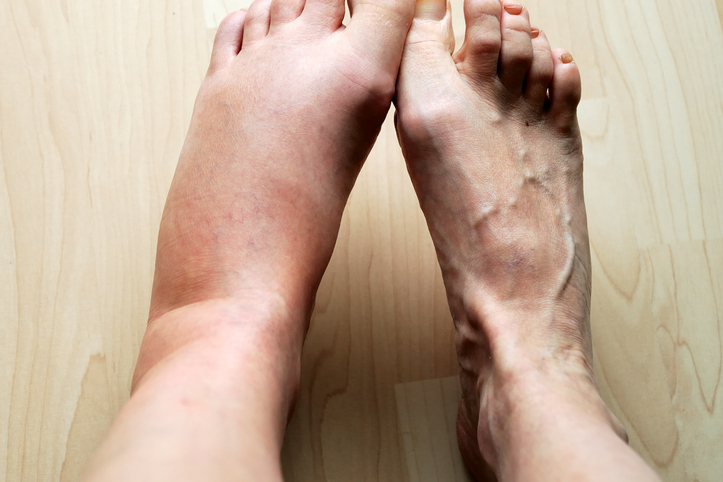
Since cortisone helps regulate water, sodium, and other electrolytes in the body, using these drugs can increase fluid retention and sometimes cause or worsen high blood pressure.
Tips:
- Signs of this problem include ankle swelling. We suggest using diuretics then. A low-sodium diet also helps reduce fluid buildup and may help control blood pressure.
- Don’t forget to regularly check your blood pressure especially if you've had issues before.
High blood sugar levels:
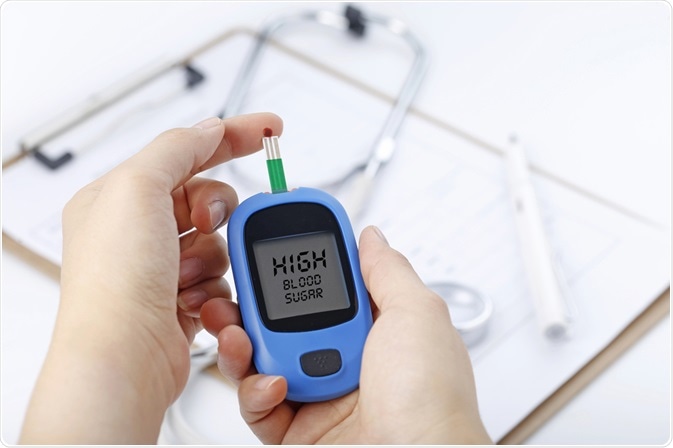
Since cortisone plays a role in keeping normal glucose (sugar) levels in blood, long-term use can raise blood sugar.
Tips:
- You should check your blood sugar while taking steroids, especially if you have diabetes, because corticosteroids can raise blood sugar levels.
Eye problems:

Steroids can sometimes cause cataracts or glaucoma (higher eye pressure).
Tips:
- If you have cataracts, it's best to follow up with your doctor. Blurred vision is usually temporary when starting corticosteroids and not a big problem, but see an eye doctor if you get other vision issues while on these drugs.
Arteriosclerosis:
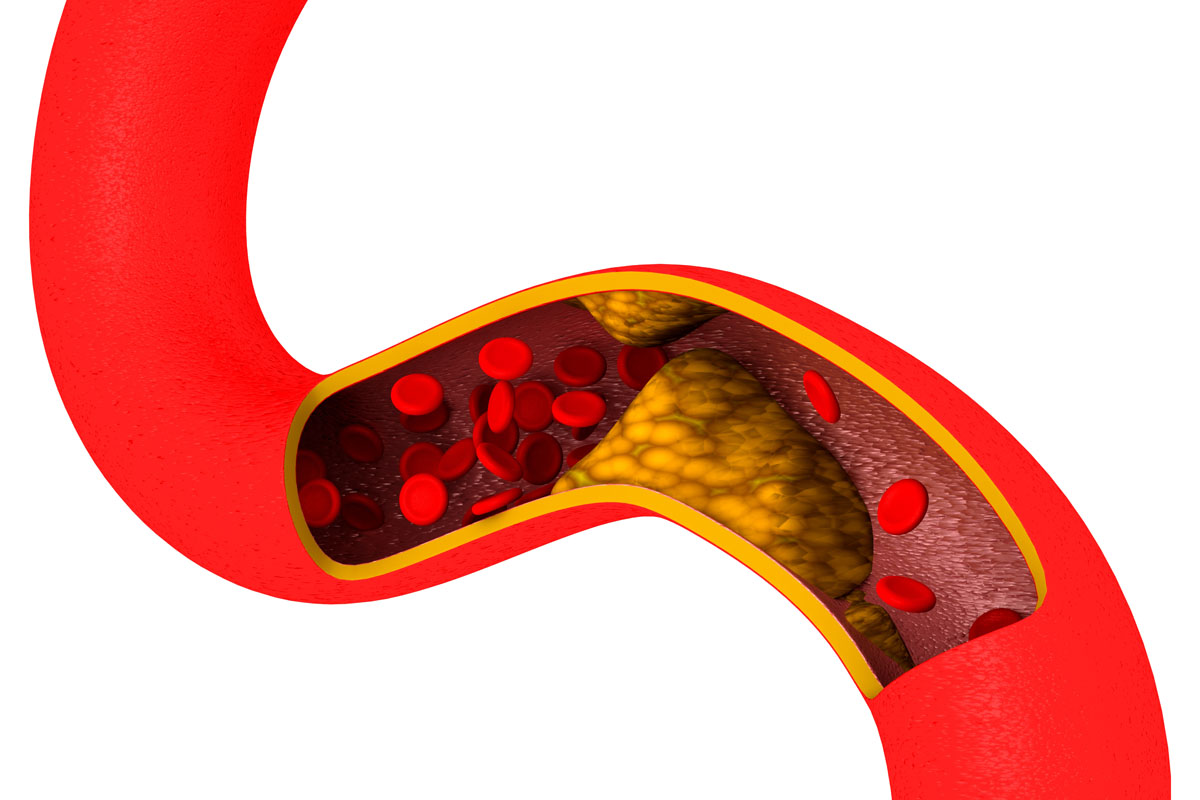
Steroids might increase the chance of arteriosclerosis, which raises the risk of heart disease. This risk is higher if steroids are taken for over a year or in high doses.
Tips:
- A low-cholesterol diet might help lower your chances of getting atherosclerosis. So if you notice signs of a heart problem, go to the doctor right away.


