Most people know eating well matters for physical health and disease, but what about the link between diet and mental health like depression?
Diet may not directly improve your mood or lower depression symptoms, but some studies do connect nutrition with mood. This might be good news for about 264 million people worldwide dealing with depression. In this article, we'll look at how diet and depression relate and some tweaks that can boost your mood.
-
First:- What’s the connection between diet and depression?:-
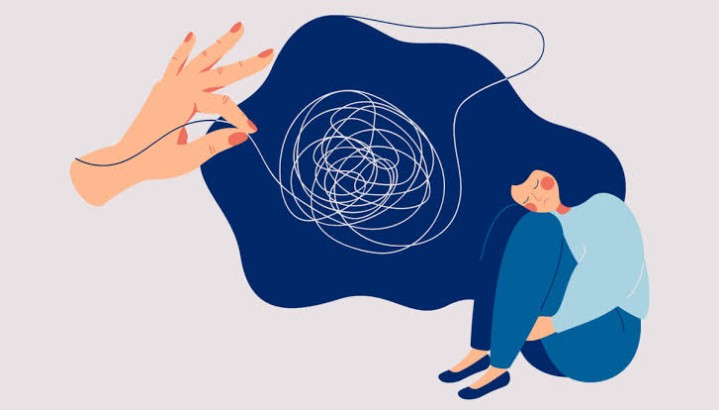
Research shows diets rich in fruits, veggies, whole foods, and low in processed stuff link to better moods and well-being, plus lower risk of depression symptoms.
A study in NUTRIENTS journal found people eating more fruits and veggies showed higher optimism and self-efficacy. Meanwhile, those eating unhealthy meals like fast food high in added sugar, sweets, and sugary sodas were more likely to have depression symptoms.
-
Second:- Healthy eating as a way to help improve mood:-
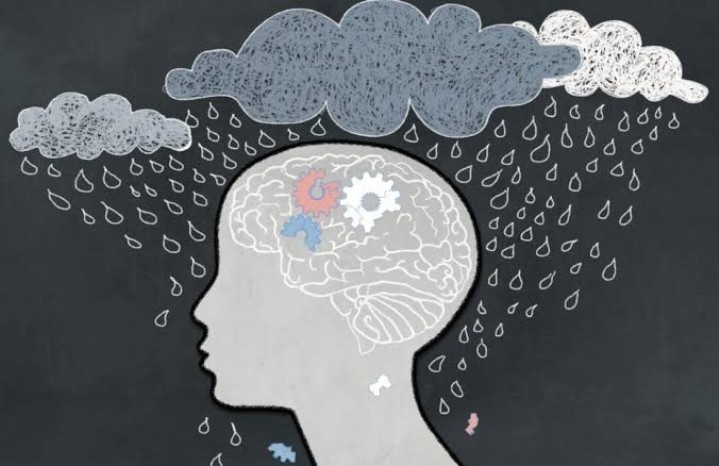
Some studies found depression symptoms dropped in young people who stuck to diets with fruits, veggies, fish, and lean meats.
Unless you have an allergy to a certain food, eating whole healthy foods is good for both mental and physical health. But some things need to go with following a healthy diet for it to work like :-
-
Mindful eating.
-
Exercising.
-
Getting good enough sleep.
-
Keeping your body hydrated.
-
Thirdly :- Do other foods have opposite effects? :-

Yes, other less healthy foods can negatively affect your physical and mental health. It’s also important to know which foods to avoid when improving mood because that matters a lot but is often ignored.
Some foods should be cut down or dropped completely over time. These include fast foods high in added sugar, foods rich in trans fats, and processed foods. Replace them with other whole and healthy foods.
These unhealthy foods mess up your gut microbiome, which can cause gut inflammation and later brain inflammation, leading to worse mood.
Some studies say we can affect gut bacteria by what we eat within 24 hours, so every day you choose between unhealthy fast foods or healthy whole foods.
Even if you don't feel food effects immediately, these changes build up and affect your mood over time, either making it worse if you eat bad food or better if you choose healthy options.
-
Fourth:- Here are changes you can make to your diet and lifestyle to avoid depression symptoms:-
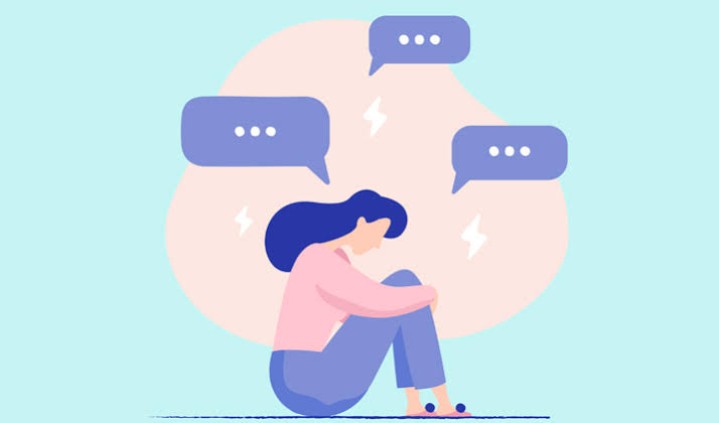
Depression is serious and food alone isn't a cure, so you must talk to a healthcare pro to get the best help.
Still, science shows healthy eating can help prevent depression. Staying hydrated also helps your mood and brain function.
The American Psychiatric Association recommends having two fish meals a week to get enough omega-3 fatty acids, since low omega-3 levels are linked to depression.
Try making small, steady, lasting changes to your diet so you can get results. Also, fit these changes to your life and needs. Here are some key steps to focus on during this change journey:-
-
Set your goals in a realistic and clear way.
-
You can succeed at first, it's about progress and keeping at it, not perfection.
-
Be patient with yourself.
-
Fifth: Here are some suggestions that might help you avoid depression symptoms:

-
Keep your body well hydrated.
-
Do exercise, it helps release endorphins which improve your mood.
-
Get enough sleep and make sure it's good quality.
-
Learn to practice meditation and breathing exercises.
-
Keep a daily journal to help you express your feelings.
Along with these tips, there are some diet changes recommended:
-
Eat more fiber, which you can easily get from veggies, fruits, beans, seeds, lentils, and whole grains.
-
Eat foods with probiotics and fermented foods you can get from yogurt and kefir.
-
Include sources of omega-3 fatty acids, found in fatty fish or plant sources like flax seeds, chia seeds, and hemp seeds.
-
Add spices like turmeric to your food to help improve your mood.
Even though diet changes can help improve your mood and reduce depression symptoms, they are not a substitute for other treatments. So it's important to talk to your doctor about including nutrition as part of your overall treatment plan.