

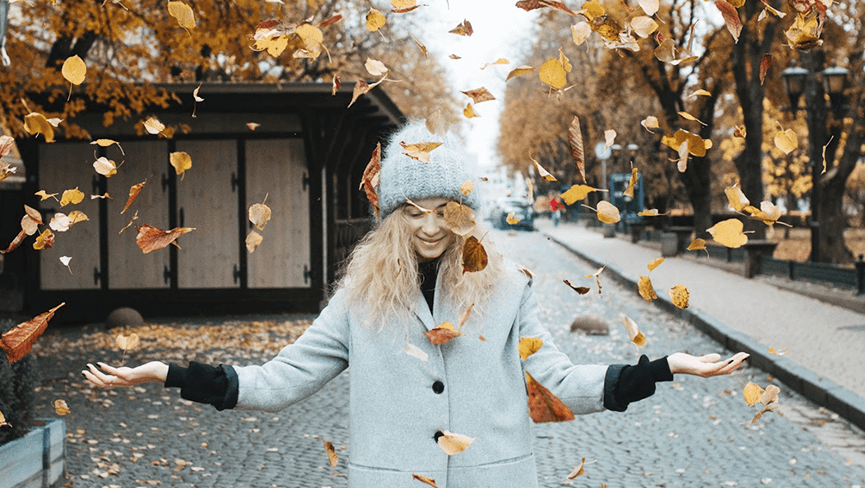
At the start of autumn, we notice the beauty of falling leaves, changes in their color, and the feeling of cold breezes. We also see some special flavors of cold seasons showing up in cafes and homes.
Our clothes change too, from shorts and swimwear to heavy jackets and long scarves. These are all signs of the seasons changing, but have you ever wondered how our bodies react internally to this change?, this is what we'll explore in the next few lines.
First, the changes the body goes through during season shifts
-
Skin becomes much drier
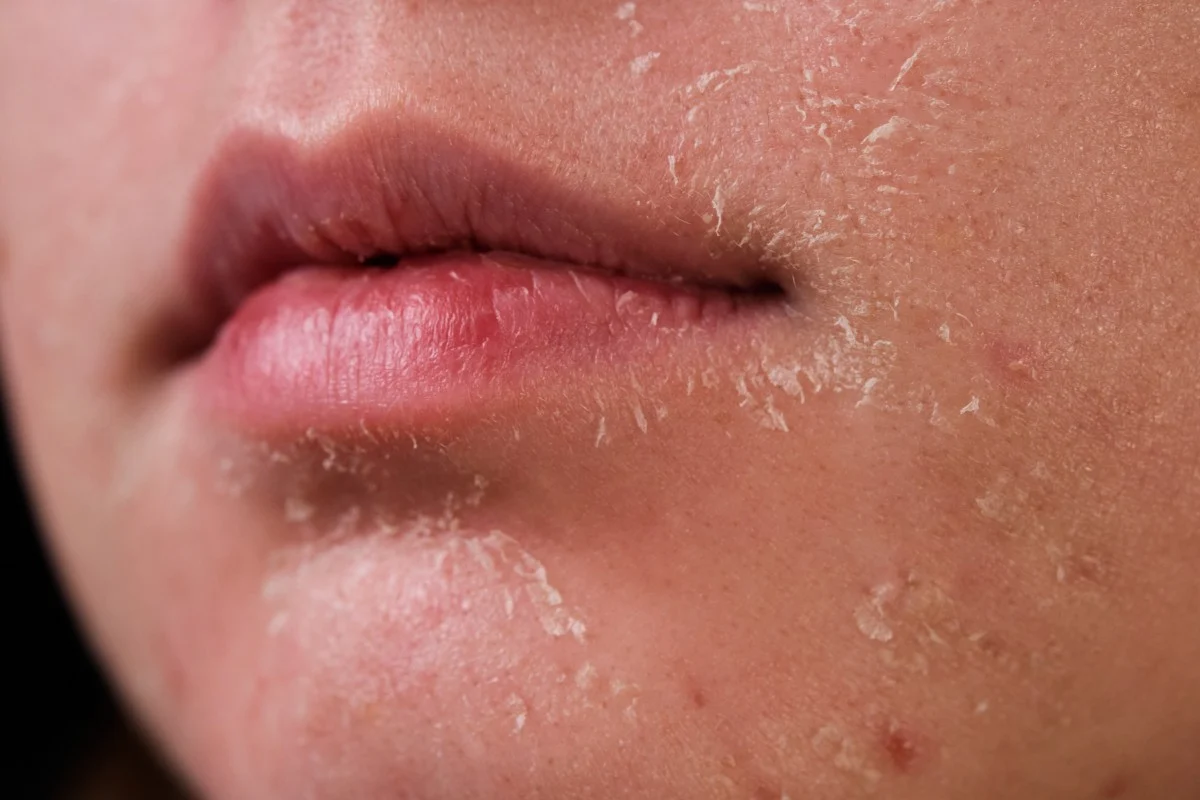
This is the most common reaction to season changes, especially when autumn returns. Many of us keep reapplying moisturizers all day, or start using a stronger type than usual.
Dry skin can be caused by lower temperature and humidity, which forces the skin to work harder to keep moisture, according to skin disease experts, skin thrives in stable conditions. This means any seasonal or big weather change shocks the skin's system.
This eventually upsets the skin's usual chemical balance, causing dryness and sometimes severe acne.
-
Increased risk of weight gain

Another result of seasonal changes many people face is weight gain, like many other mammals, humans are known to store fat during winter months.
This is due to the fact that during seasonal changes in late summer and early autumn, our bodies increase insulin resistance, this leads to increased liver fat production to store fat in tissues and better prepare for winter.
The best way to fight this fat buildup is by following a healthy diet with counted calories, andregular exercise Exercises like swimming and running are especially good for boosting metabolism and burning calories.
-
Mood and emotional swings
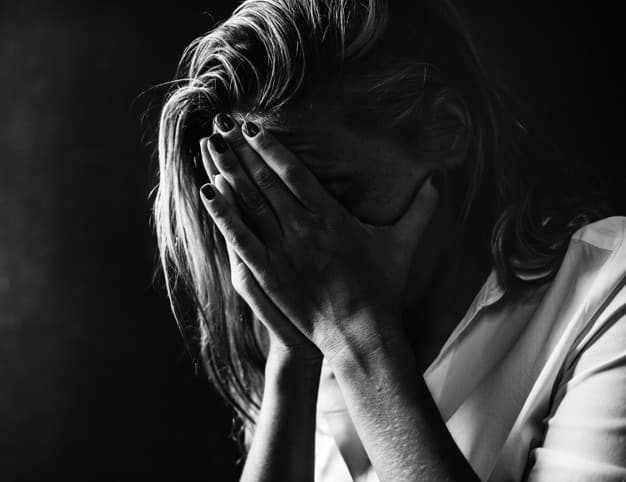
Unfortunately, changing seasons can cause bigger problems than just dry skin or weight gain. It can cause some emotional and mental issues like Seasonal Affective Disorder, or SAD.
Having attacks Depression These usually start in late fall and early winter. Studies in general psychiatry found that Seasonal Affective Disorder causes the hormone melatonin to be released for longer periods in winter nights than in summer. This hormone plays a key role in sleep, which means SAD makes people sleep more during winter even if their bodies are completely at rest.
Other studies found people sleep 3 hours more each day in October than any other time of the year. These studies linked this to what is known as hypersomnia.
Too much sleepiness and repeated depression attacks during seasonal changes can affect daily functions and make it harder to do essential daily tasks. That's why a person should stay alert to health changes and see a doctor if they notice anything wrong.
-
Exposure to heart attacks

Even though our bodies have ways to handle seasonal changes, harsh winters can sometimes bring a serious risk of health complications.
Researchers found higher rates ofheart attacks in winter compared to any other season. This is because winter is often linked to weaker immunity and high blood pressure. Tough physical activity outside can risk the heart and make people more likely to have heart attacks.
Second, the precautions to take during seasonal changes
After knowing some real problems the body can face a lot during seasonal changes, which seriously threaten people’s lives, we should make sure to follow some precautions that can really help avoid these issues.
-
Getting flu and pneumonia vaccines
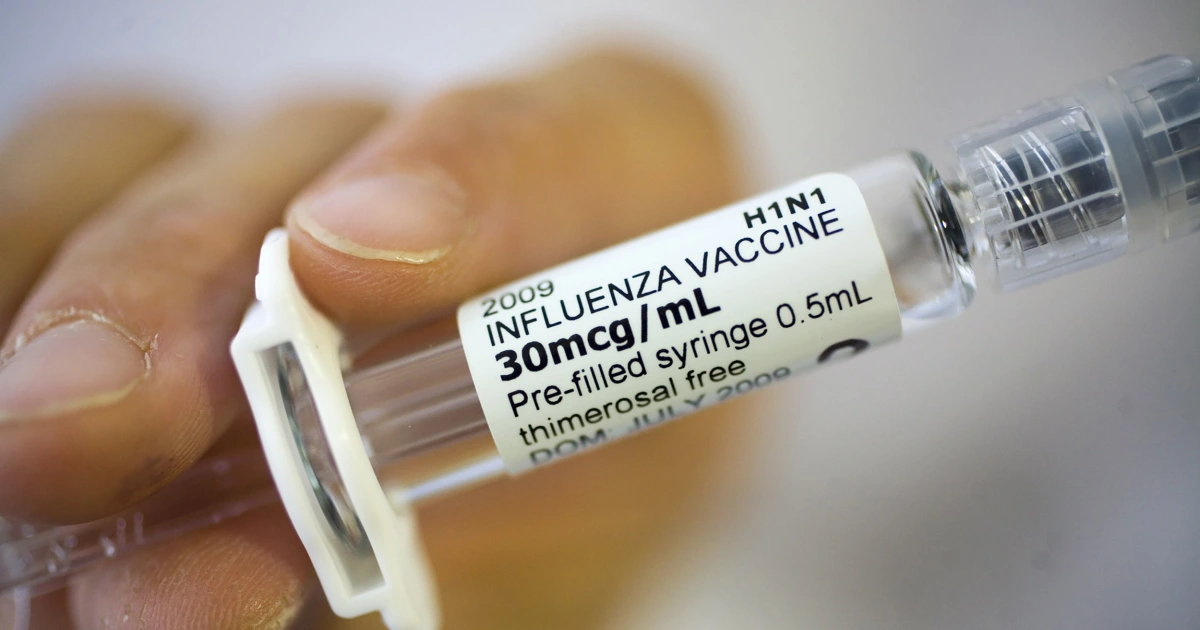
Scientists notice that cold temperatures create a more friendly environment for cold and flu viruses. Unfortunately, this makes people more likely to get sick during fall and winter months.
That's why it's important to keep up with your vaccinations, like the flu shot and pneumonia vaccines.
-
Preparing for bad weather
We can know about bad weather from weather forecasts, which should be taken seriously, especially if someone already has a illness or a weak immune system.
Sometimes attacks can disrupt daily routines for some people. So you should make sure you have enough medicine for up to 10 days, or however long the doctor advises.
This fall, when you feel the air getting colder and see leaves falling, make sure you know how your body reacts to this change.
This knowledge can help you take the right precautions to care for your physical and mental health, preventing worse problems later on.


